HEALTH AND FITNESS
Key Minerals for Everyday Health: The Role of Calcium and Iron

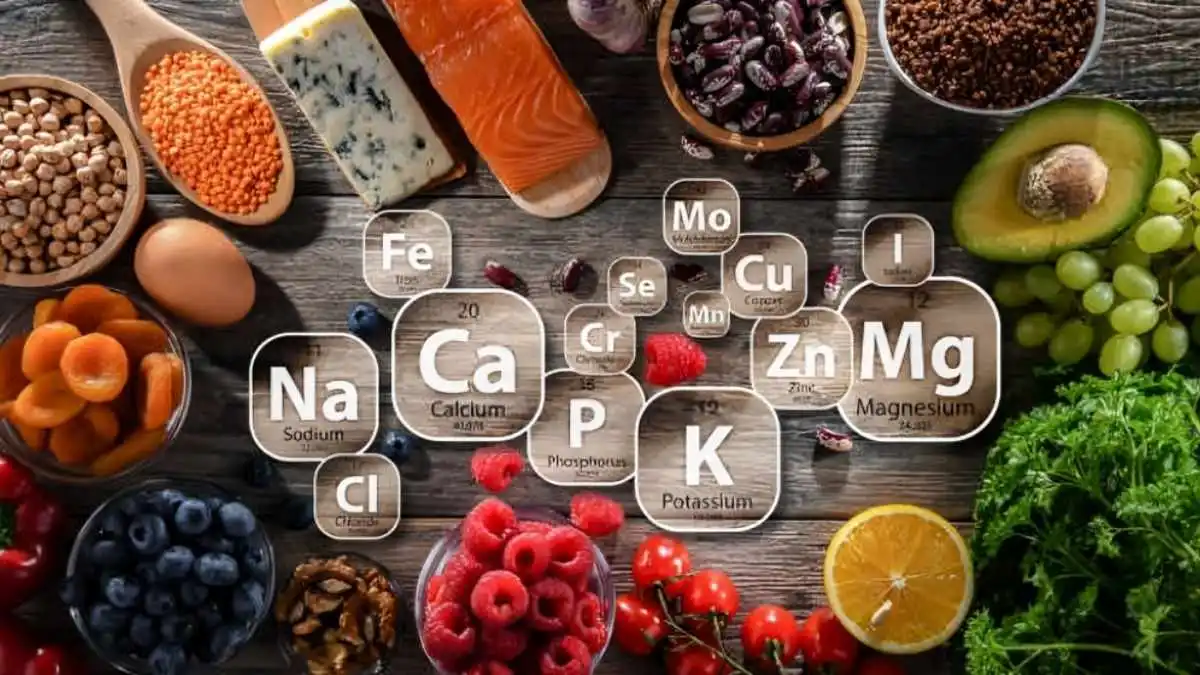
Maintaining a balanced diet is an important part of supporting overall well-being. Among the many nutrients the body requires, minerals such as calcium and iron are often discussed in relation to everyday health and nutrition. These nutrients play different roles in the body and are typically obtained through a combination of food sources and, in some cases, supplements.
While whole foods remain the foundation of nutrient intake, some individuals explore options such as iron supplements or other nutritional products to help complement their diet when needed. Understanding how calcium and iron fit into daily nutrition can help support informed dietary choices.
Table of Contents
Why Calcium and Iron Are Important in Daily Nutrition
Calcium and iron are essential minerals that contribute to normal bodily functions. They are required in different amounts and are found in a variety of foods.
Calcium is commonly associated with maintaining normal bone and teeth structure, while iron is involved in the formation of red blood cells and oxygen transport within the body. Including both minerals in a balanced diet is often considered an important aspect of general nutrition.
A varied diet that includes whole foods can help provide these nutrients, along with other vitamins and minerals.
Understanding Calcium in the Diet
Calcium is widely known for its role in supporting bone health. It also contributes to normal muscle function and nerve signaling as part of overall physiological processes.
Common dietary sources of calcium include:
- Dairy products such as milk, yoghurt and cheese
- Leafy green vegetables
- Almonds
- Tofu and fortified plant-based alternatives
Including calcium-rich foods regularly can help support daily nutrient intake. The body’s calcium needs may vary depending on age, lifestyle and dietary habits.
Understanding Iron in the Diet
Iron plays a role in supporting normal oxygen transport in the body by contributing to the formation of haemoglobin in red blood cells. It is commonly discussed in nutrition guidance due to its importance in everyday dietary intake.
Iron can be found in two forms:
- Haem iron, found in animal-based foods such as meat and fish
- Non-haem iron, found in plant-based foods such as lentils, beans, spinach and fortified cereals
Including a mix of these foods can help support iron intake as part of a balanced diet.
Food Sources That Provide Calcium and Iron
A well-rounded diet that includes a variety of foods can help contribute to both calcium and iron intake.
Examples include:
- Dairy products and fortified alternatives
- Leafy green vegetables
- Whole grains
- Legumes and pulses
- Nuts and seeds
- Lean meats and fish
Pairing iron-rich foods with vitamin C-containing foods, such as citrus fruits or tomatoes, is often discussed in nutrition as a way to support dietary iron absorption.
Food First: Building a Balanced Nutrient Intake
Health guidance typically encourages a “food-first” approach when it comes to meeting daily nutrient needs. Whole foods provide a combination of nutrients that work together to support overall wellbeing.
Practical ways to support intake include:
- Planning balanced meals
- Including multiple food groups in each meal
- Choosing whole and minimally processed foods
- Maintaining consistent eating patterns
These habits can help contribute to steady nutrient intake over time.
When People May Consider Supplements
In some situations, individuals may find it challenging to meet their nutrient needs through food alone. Factors such as busy schedules, dietary preferences or limited food variety can influence intake.
In such cases, some people explore options like iron supplements or calcium-based products as a way to complement their diet. These are generally considered alongside a balanced eating pattern and are not intended to replace whole food sources.
Individuals may also review available options, such as calcium supplements, when looking into products within local markets. Exploring these options is often done with consideration of personal dietary needs and, where appropriate, professional guidance.
Supporting Everyday Health Through Nutrition and Lifestyle
Maintaining adequate mineral intake is just one part of supporting overall health. Other lifestyle factors can also play a role, including:
- Regular physical activity
- Adequate hydration
- Consistent sleep patterns
- Balanced and varied nutrition
Taking a long-term approach to diet and lifestyle can help support general well-being and maintain consistent nutrient intake.
Conclusion
Calcium and iron are two key minerals that are commonly discussed in everyday nutrition. Including a variety of foods such as dairy products, leafy greens, legumes and lean proteins can help contribute to daily intake.
While whole foods remain the primary source of nutrients, some individuals may explore additional options such as iron supplements or region-specific products like calcium supplements in Australia to support their dietary intake. Focusing on balanced eating habits and informed choices can help support overall well-being over time.


ABS Testauslösung: Expert ABS System Testing Guide

Bjudlunch in Sweden: Etiquette, Rules & Hidden Signals

Key Minerals for Everyday Health: The Role of Calcium and Iron

Digital Quality Is Moving Faster Than Most Analytics Stacks Are Ready For

Delta Flight DL275 Diverted LAX: Full Incident Report

Masgonzola: A Luxurious Italian Cheese with Dual Heritage

Markiseteppe: Durable Fabric for Outdoor Protection

Messeregge: Precision Blade Harrow for Shallow Cultivation

What Is Stormuring? A New Era of Strategic Agility

StressThem Overview: IP Stresser Risks & Security Impact

ABPM Machine Technology in 2025: What Has Changed and Why It Matters for Clinical Practice

How Moisture and Humidity Contribute to Termite Infestations

VHSGJQM: The Strategic Business Framework for Efficiency

Anon Vault: The Ultimate Guide to Secure, Private Digital Storage

Uncuymaza: Leading Higher Education in Mendoza, Argentina
-
 GENERAL10 months ago
Christofle – For Those Who Dream of Family Heirloom Silver
-
SPORTS12 months ago
Discover the World of Football with Streameast: Watch Your Favorite Leagues and Tournaments
-
GENERAL4 months ago
Uncovering the World of кинокрадко: The Dark Side of Film Piracy
-
GENERAL4 weeks ago
ATFBooru: Anime, Gaming, and Subculture Imageboard