
HEALTH AND FITNESS
Cataracts and Diabetes: What Patients in Singapore Should Know

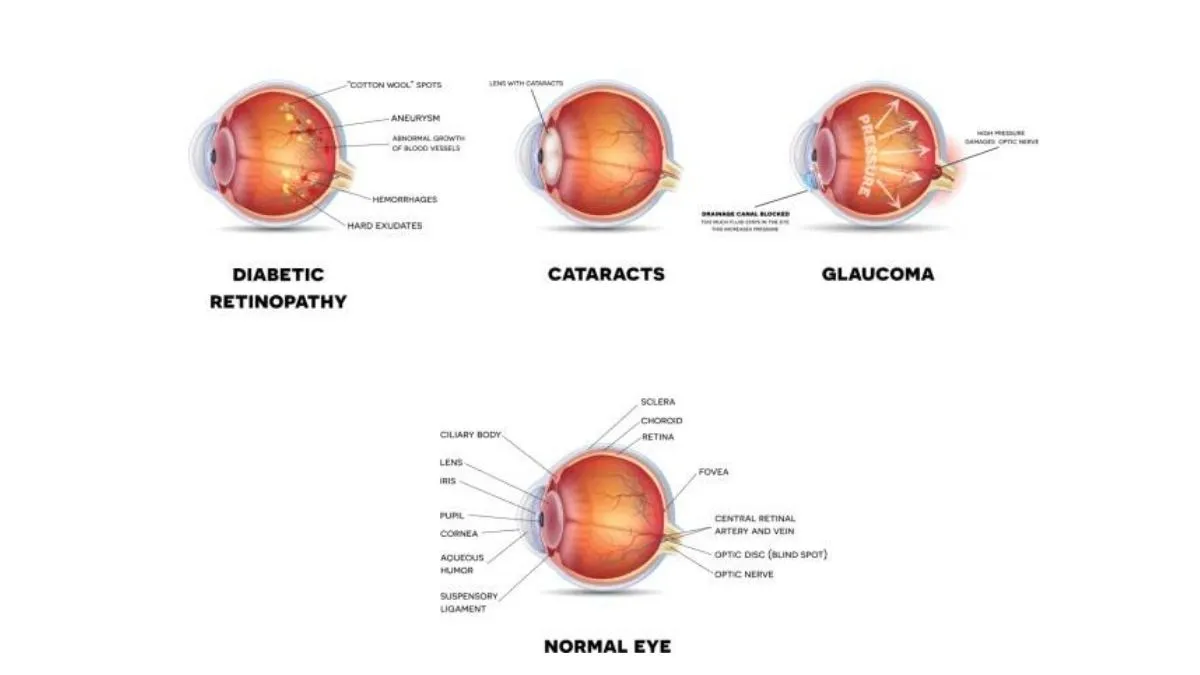
Diabetes is a long-term medical condition that affects how the body regulates blood sugar levels. Over time, diabetes may affect various organs and systems, including the eyes. While many people are familiar with diabetic retinopathy, diabetes may also be associated with other eye conditions, including cataracts.
A cataract occurs when the natural lens of the eye becomes cloudy, causing vision to appear blurred or less clear. Cataracts are commonly associated with ageing, but individuals living with diabetes may have an increased likelihood of developing cataracts or experiencing them at an earlier age.
In Singapore, routine eye examinations are often recommended as part of overall diabetes management. Through regular eye screening and treatment, eye care professionals can monitor changes in vision and identify conditions that may require further assessment or treatment.
Table of Contents
How Diabetes Affects Eye Health
Diabetes can affect eye health in several ways. When blood sugar levels remain elevated over long periods, changes may occur in the blood vessels and tissues within the eye. These changes can increase the risk of developing certain eye conditions that may affect vision.
Common eye conditions associated with diabetes include:
- Diabetic retinopathy
- Diabetic macular oedema
- Glaucoma
- Eye Cataract
In addition to these conditions, fluctuations in blood sugar levels may sometimes cause temporary changes in vision. Some individuals may notice that their vision becomes blurry when blood sugar levels are poorly controlled.
Because multiple eye conditions can occur simultaneously, regular examinations at an eye clinic can help identify the cause of visual symptoms and support timely management. Comprehensive assessments are particularly important for individuals who have been living with diabetes for many years or who have experienced recent changes in vision.
Understanding Cataracts
The lens of the eye plays an important role in focusing light on the retina. Healthy lens is normally clear, allowing light to pass through effectively. However, when proteins within the lens begin to break down and cluster together, the lens may gradually become cloudy. This clouding is known as cataract.
As cataracts develop, individuals may experience:
- Blurred or cloudy vision
- Increased sensitivity to glare
- Difficulty seeing at night
- Reduced contrast sensitivity
- Colours appearing less vibrant
- Frequent changes in spectacle prescriptions
Cataracts usually develop gradually, which means many people may not notice the changes immediately. Over time, however, the condition can begin to affect daily activities such as reading, driving, and using digital devices.
Many individuals’ seeking cataract treatment in Singapore are diagnosed during regular eye screenings.
Cataracts in People with Diabetes
Research has shown that people living with diabetes may be more likely to develop cataracts compared to individuals without diabetes. In some cases, cataracts may also occur at a younger age.
Although the exact mechanisms are complex, prolonged exposure to elevated blood sugar levels may contribute to changes within the eye’s natural lens. Over time, these changes may increase lens clouding and affect vision quality.
It is important to understand that cataracts and diabetic retinopathy are separate conditions. However, both can occur in the same individual and may contribute to visual symptoms.
For this reason, patients with diabetes who notice vision changes should seek professional assessment rather than assuming that symptoms are simply part of the ageing process. A cataract specialist can perform a detailed evaluation to determine whether cataracts, diabetic eye disease, or another condition may be responsible.
Common Symptoms That May Indicate Cataracts
While cataracts can affect individuals differently, there are several common symptoms that may warrant further evaluation.
Blurred Vision
One of the most frequently reported symptoms is blurred or cloudy vision. Objects may appear less sharp, and activities that require clear vision may become more challenging.
Increased Sensitivity to Glare
Bright sunlight, headlights, and reflective surfaces may appear more uncomfortable than before. Some individuals experience significant glare while driving at night.
Difficulty with Night Vision
As cataracts progress, seeing clearly in low-light environments may become increasingly difficult.
Frequent Prescription Changes
Some patients notice that updated spectacles provide only temporary improvement, or that their vision continues to change despite new prescriptions.
The Importance of Regular Eye Monitoring
Regular eye examinations play an important role in diabetes management. Some eye conditions may develop gradually and may not cause obvious symptoms in their early stages.
Routine monitoring can help identify:
- Cataracts
- Diabetic retinopathy
- Glaucoma
- Other vision-related concerns
As part of eye screening and treatment, ophthalmologists may perform several tests to assess overall eye health.
These assessments may include:
- Visual acuity testing
- Retinal examination
- Slit-lamp examination
- Eye pressure measurement
- Imaging studies where appropriate
Regular monitoring allows changes to be tracked over time and supports informed treatment decisions when necessary.
Cataract Treatment Considerations for Patients with Diabetes
The most appropriate cataract treatment depends on the severity of the cataract and how much it affects daily activities.
In the early stages, patients may benefit from:
- Updated spectacle prescriptions
- Improved lighting conditions
- Ongoing monitoring
However, cataracts generally do not reverse once they develop. As the condition progresses, cataract treatment options may be discussed if vision impairment begins to interfere with everyday activities.
When evaluating treatment options, a cataract specialist may consider:
- Severity of lens clouding
- Overall eye health
- Presence of diabetic retinopathy
- Lifestyle and visual requirements
- Medical history
These factors help determine the most appropriate management pathway for each patient.
Understanding Bladeless Cataract Surgery in Singapore
Bladeless cataract surgery in Singapore involves laser-assisted steps during cataract surgery. Suitability for this approach depends on individual eye characteristics and clinical findings.
A bladeless cataract surgeon can explain whether this option may be appropriate based on a comprehensive eye assessment.
Patients who wish to learn more about laser-assisted cataract procedures may read about bladeless cataract surgery.
Seeking Professional Advice for Vision Changes
People living with diabetes should not ignore persistent changes in vision. Even mild symptoms may warrant professional evaluation, particularly if they affect daily activities or continue to worsen over time.
An eye clinic can provide comprehensive assessments and discuss available management options, including cataract treatment, monitoring strategies, and surgical considerations where appropriate.
Seeking timely assessment may help patients better understand their condition and make informed decisions regarding their eye health.


Yoga for Anxiety: Poses, Breathing & Expert Tips

Dougahozonn: The Japanese Concept of Video Preservation

Viltnemnda: Managing Norway’s Wildlife Sustainably

Hitaar: A Cultural Art Form of Storytelling and Melody

What Is Drop MMS? Multimedia Messaging Simplified

What is a Rebar Locator? Understanding Non-Destructive Testing (NDT) for Reinforced Concrete

Humanilex: Revolutionizing Human-Computer Interaction

MyLawyer360: Your Comprehensive Legal Resource and Assistance Platform

How Innocams Revolutionizes Home Security: Everything You Need to Know

Cursed-Memes.com: Where Disturbing Meets Funny in Meme Form

TweakLoad Software: Master Weight & Balance Simulation

Diamondfairybunny: Unveiling the Myth and Magic

Lizard Pose: A Complete Guide to Form & Flexibility

TechDae.frl: Explore Expert Tips on Android, iPhone, and Social Media

What is ghuk-y44551/300? A Complete Guide to Product Identifiers
-
 GENERAL1 year ago
Christofle – For Those Who Dream of Family Heirloom Silver
-
SPORTS1 month ago
Discover the World of Football with Streameast: Watch Your Favorite Leagues and Tournaments
-
HOME IMPROVEMENT1 year ago
Spacious and Stylish 300cm Round Rugs: Elegant and Modern Designs for a Chic Home Decor
-
GENERAL9 months ago
Uncovering the World of кинокрадко: The Dark Side of Film Piracy