
HEALTH AND FITNESS
Teeth Grinding Causes, Symptoms, and Treatment Options

Stress, Sleep, and Teeth Grinding: What to Know
Stress, poor sleep, and teeth grinding are closely linked. The body often holds tension in the jaw, especially at night. Many people grind, clench, or tighten their jaw without noticing. They may only notice after experiencing jaw pain, tooth sensitivity, headaches, or changes in tooth wear.
While occasional episodes of grinding teeth may be short-term, ongoing symptoms can affect sleep, comfort, and quality of life. Understanding the causes, warning signs, and treatment options can help protect your teeth. It can also help you manage habits that trigger grinding or clenching.
A complete article on this topic should explain what bruxism is, how awake and sleep-related habits differ, and why stress and anxiety often make symptoms worse. It should also cover dental damage, jaw symptoms, diagnosis, mouth guards, stress management, sleep support, and when to seek professional care.
Table of Contents
What Is Bruxism?
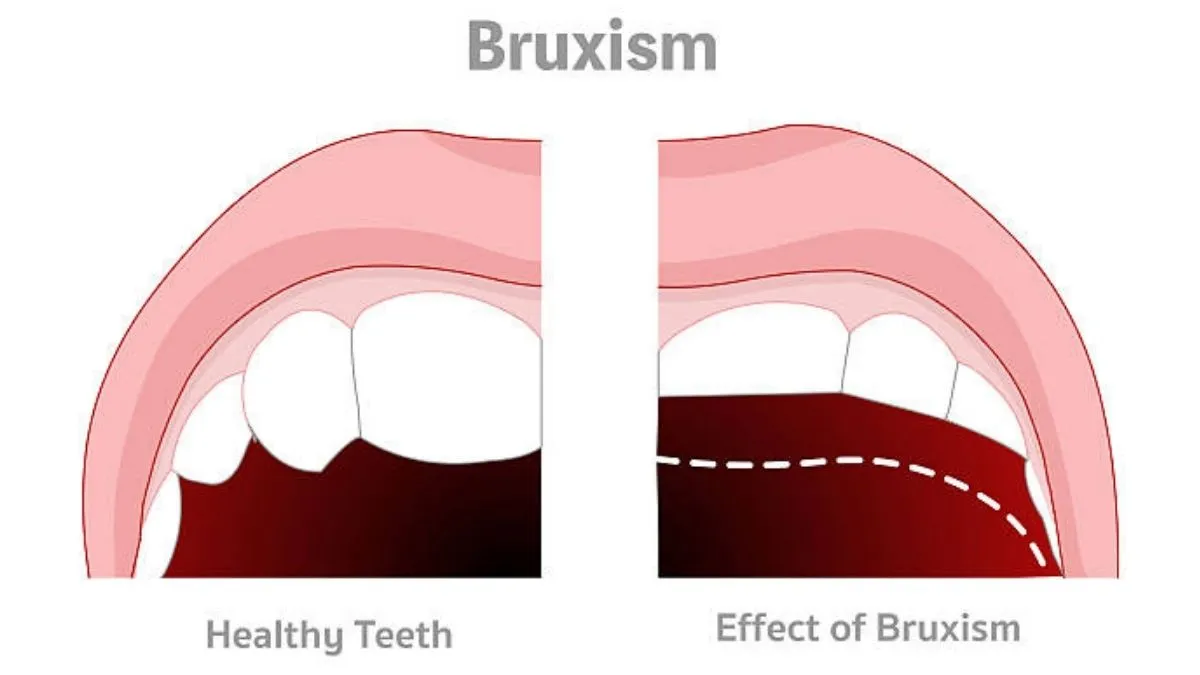
What is bruxism? Bruxism is the habit of grinding, clenching, or pressing the teeth together when you are not chewing. It can happen during the day, during sleep, or in both situations.
Awake bruxism often appears as jaw clenching when you concentrate, drive, work, or feel stressed. Sleep bruxism can be harder to notice because it happens unconsciously, and a partner may hear the sound before you feel symptoms.
Common signs include:
- Worn, flattened, or chipped teeth
- Jaw pain or tightness in the morning
- Headaches near the temples
- Tooth sensitivity
- Tired jaw muscles
These symptoms can start mild and become more disruptive over time. A dentist can check for tooth wear, bite changes, and signs of pressure around the jaw joint.
Awake Bruxism vs. Sleep Bruxism
Awake bruxism often happens during focus, tension, or emotional pressure. You may catch yourself pressing your teeth together while working, driving, or concentrating.
Sleep bruxism happens without awareness, so the signs often appear after waking. Morning jaw soreness, headaches, tooth sensitivity, or a partner hearing grinding sounds can point to nighttime grinding.
The difference matters because each type needs a slightly different approach. Awake habits often improve with awareness and stress management, while sleep-related grinding may need a custom night guard and a closer look at sleep quality.
How Stress Triggers Teeth Grinding
Stress can increase muscle tension throughout the body, including the jaw muscles. When your nervous system stays alert, your heart rate may rise, your breathing may tighten, and your jaw may stay contracted without your awareness.
Stress and anxiety can also disrupt sleep, which may make clenching or grinding more likely at night. Some people notice more symptoms during periods of work pressure, family changes, travel, exams, or poor rest.
You may be more likely to grind when you:
- Feel stressed during the day
- Sleep poorly or wake often
- Drink caffeine late in the day
- Work long hours at a screen
- Use chewing gum often
Reducing jaw tension starts with noticing when it happens. Once you catch the habit, you can relax the jaw, take a deep breath, and reset your posture.
Sleep and Crushing Teeth During Sleep
Crushing teeth during sleep can create more force than daytime clenching because you are not awake to stop it. This pressure can strain the jaw joint, irritate teeth, and lead to morning soreness.
Sleep bruxism may relate to sleep disruptions, airway concerns, certain medical conditions, or medication side effects. It may also appear alongside snoring, restless sleep, or frequent waking.
Signs that sleep may play a role include:
- Morning jaw stiffness
- Headaches after waking
- Tooth sensitivity with no clear cause
- Reports of grinding sounds at night
- Poor sleep despite enough hours in bed
A dental evaluation can help identify patterns of damage. In some cases, your dentist may recommend speaking with a physician or sleep specialist if symptoms suggest a broader sleep concern.
When Teeth Grinding Becomes a Problem
Not every episode of grinding needs urgent care. Short-term clenching during a stressful week may improve once sleep, tension, and daily habits return to normal.
You should pay closer attention when symptoms recur or worsen. Warning signs include:
- Jaw pain that lasts into the day
- Chipped, cracked, or flattened teeth
- Tooth sensitivity when eating or drinking
- Morning headaches
- Pain near the ear or jaw joint
- Trouble opening your mouth fully
These signs suggest that grinding may already be affecting your teeth, bite, or jaw muscles. A dental visit can help prevent more damage before the problem becomes harder to manage.
Why Jaw Clenching Causes Pain
Jaw clenching keeps the muscles working when they should rest. Over time, this can lead to soreness, facial fatigue, limited opening, and tenderness around the jaw joint.
The pressure can also affect the teeth. Repeated grinding or clenching may cause tooth wear, cracks, gum irritation, or changes in how your bite feels.
Some people also develop ear discomfort because the jaw joint sits close to the ear. This does not always mean an ear problem, so a dental exam can help clarify the source.
Practical Ways to Reduce Stress and Jaw Tension
Stress management can help reduce stress-related clenching, especially when symptoms increase during busy or emotional periods. The goal is not to eliminate all stress but to reduce how often your jaw carries it.
Helpful relaxation techniques include:
- Slow nasal breathing
- Shoulder and neck stretches
- Jaw release exercises
- Short screen breaks
- A warm compress before bed
Relaxation works best when practiced daily, not only when pain appears. Even one deep breath with the lips closed and teeth apart can remind your jaw to rest.
Treatment Options for Bruxism
Treatment options depend on the cause, severity, and extent of damage. A dentist may recommend a custom night guard to protect your teeth from grinding forces during sleep.
Mouth guards do not stop every muscle movement, but they can reduce damage and help distribute pressure. Custom guards usually fit better than over-the-counter versions because they are custom-fit to your bite.
Other care options may include:
- Bite evaluation
- Repairing damaged teeth
- Habit awareness training
- Physical therapy for jaw muscles
- Medical review if medication side effects are suspected
In some cases, a provider may discuss a muscle relaxant for short-term symptom control. This depends on your health history, symptoms, and whether other medical conditions need attention.
For patients who want a professional evaluation before symptoms progress, Smile Lab NYC can help identify signs of tooth wear, jaw tension, and bite-related pressure.
What a Dentist Checks During Diagnosis
A dentist does more than ask if you grind your teeth. They look for tooth wear, enamel cracks, gum irritation, bite changes, and tenderness in the jaw muscles.
They may also ask about sleep, stress, medications, caffeine, chewing gum, headaches, and medical conditions. This helps separate simple clenching from issues linked to sleep disorders, medication side effects, or jaw joint problems.
A good diagnosis should connect your symptoms with your daily habits and dental findings. That gives you a clearer care plan instead of a one-size-fits-all answer.
What Mouth Guards Can and Cannot Do
Mouth guards can protect your teeth from the force of grinding while you sleep. They help reduce tooth wear, cracks, sensitivity, and pressure from repeated clenching or grinding.
They do not always stop the jaw muscles from moving. This means you may still need relaxation techniques, stress management, better sleep routines, or a medical review when symptoms suggest another cause.
Custom mouth guards usually offer a better fit than store-bought options. A better fit can improve comfort, reduce slipping, and make the guard easier to wear consistently.
Habits That Can Make Grinding Worse
Daily habits can increase jaw strain without you noticing. Chewing gum for long periods, biting nails, chewing pens, or resting your chin on your hand can keep the jaw active.
Caffeine, alcohol, nicotine, and poor sleep routines may also worsen symptoms for some people. Not every trigger affects every person, so tracking patterns can help.
A simple tracking note can include:
- Sleep quality
- Stress level
- Jaw pain score
- Caffeine timing
- Morning symptoms
This helps your dentist understand when symptoms appear. It also helps you connect lifestyle patterns with clenching teeth, muscle-relaxant discussions, or other care options as needed.
When to See a Dentist
You should see a dentist if jaw pain, tooth sensitivity, headaches, or visible tooth wear continue for more than a few days. You should also schedule a visit if you wake with soreness, notice chipped teeth, or hear reports of nighttime grinding.
Bruxism is manageable when you address both the dental effects and the underlying habits. With the right support, you can protect your teeth, calm the jaw, and improve daily comfort.


Yoga for Anxiety: Poses, Breathing & Expert Tips

Dougahozonn: The Japanese Concept of Video Preservation

Viltnemnda: Managing Norway’s Wildlife Sustainably

Hitaar: A Cultural Art Form of Storytelling and Melody

What Is Drop MMS? Multimedia Messaging Simplified

What is a Rebar Locator? Understanding Non-Destructive Testing (NDT) for Reinforced Concrete

Humanilex: Revolutionizing Human-Computer Interaction

MyLawyer360: Your Comprehensive Legal Resource and Assistance Platform

How Innocams Revolutionizes Home Security: Everything You Need to Know

Cursed-Memes.com: Where Disturbing Meets Funny in Meme Form

TweakLoad Software: Master Weight & Balance Simulation

Diamondfairybunny: Unveiling the Myth and Magic

Lizard Pose: A Complete Guide to Form & Flexibility

TechDae.frl: Explore Expert Tips on Android, iPhone, and Social Media

What is ghuk-y44551/300? A Complete Guide to Product Identifiers
-
 GENERAL1 year ago
Christofle – For Those Who Dream of Family Heirloom Silver
-
SPORTS1 month ago
Discover the World of Football with Streameast: Watch Your Favorite Leagues and Tournaments
-
HOME IMPROVEMENT1 year ago
Spacious and Stylish 300cm Round Rugs: Elegant and Modern Designs for a Chic Home Decor
-
GENERAL9 months ago
Uncovering the World of кинокрадко: The Dark Side of Film Piracy