GENERAL
Retail Store Layout Mistakes That Cost Businesses Sales

Introduction
A retail store’s layout is one of the most influential factors affecting customer behavior and purchasing decisions. While product quality, pricing, and customer service are all essential to success, the physical arrangement of a store often determines whether customers enjoy shopping or leave without making a purchase.
A well-planned retail layout guides customers naturally through the store, showcases products effectively, and creates a comfortable shopping experience. On the other hand, a poor layout can lead to confusion, congestion, overlooked products, and lost sales opportunities. Even small design mistakes can have a significant impact on customer satisfaction and overall revenue.
Whether you own a clothing boutique, supermarket, electronics shop, beauty store, furniture showroom, or specialty retail business, avoiding common layout mistakes can help improve customer flow, increase product visibility, and maximize profitability.
This article explores the most common retail store layout mistakes and provides practical solutions to create a shopping environment that encourages customers to stay longer and buy more.
Table of Contents
Why Store Layout Matters
Customers rarely enter a store with the intention of examining every product. Instead, they naturally follow pathways that feel comfortable and intuitive. A thoughtful store layout helps guide customers through different sections while exposing them to a wider range of merchandise.
A well-designed layout can:
- Improve customer navigation
- Increase browsing time
- Boost impulse purchases
- Enhance product visibility
- Reduce customer frustration
- Strengthen brand image
- Increase overall sales
Retailers who regularly evaluate and improve their store layout often enjoy better customer retention and stronger business growth.
Mistake 1: A Cluttered Entrance
The entrance creates the first impression of your business.
Many retailers make the mistake of filling the entrance with too many promotional displays, signs, or products. Instead of attracting customers, clutter often overwhelms them.
A welcoming entrance should include:
- Clean glass windows
- Clear branding
- Attractive featured products
- Comfortable walking space
- Good lighting
Customers should feel invited rather than crowded as they enter your store.
Mistake 2: Narrow Walkways
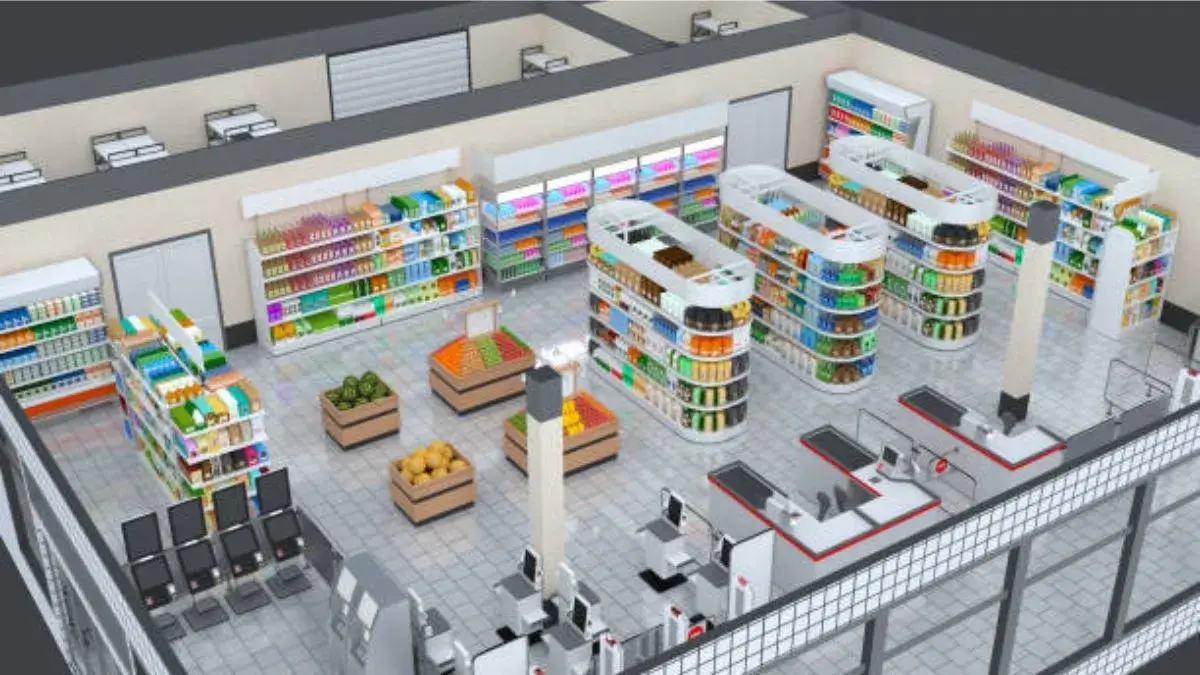
One of the quickest ways to frustrate shoppers is by creating narrow aisles.
Customers need enough space to:
- Browse comfortably
- Push shopping carts
- Carry shopping baskets
- Walk with family members
- View products without blocking others
Crowded pathways often cause customers to leave before exploring the entire store.
Maintaining generous walking space creates a more enjoyable shopping experience.
Mistake 3: Poor Product Placement
Not every product deserves the same level of visibility.
Many retailers place high-demand or high-margin products in areas that customers rarely visit.
Instead:
- Position best-selling items at eye level.
- Highlight seasonal products near entrances.
- Place complementary items together.
- Feature promotional products in high-traffic areas.
Strategic product placement encourages additional purchases and increases average transaction value.
Mistake 4: Using Low-Quality Retail Displays
Product presentation plays a major role in customer perception.
Businesses that invest in professional Retail Displays can create organized, attractive shopping environments that showcase merchandise more effectively. Customized display showcases, shelving systems, glass cabinets, wall displays, and promotional fixtures help maximize product visibility while enhancing the overall appearance of the store.
Well-designed retail displays make products easier to browse and encourage customers to spend more time exploring the store.
Mistake 5: Poor Lighting
Lighting affects both the appearance of products and the atmosphere of a retail store.
Common lighting mistakes include:
- Dim interiors
- Uneven lighting
- Harsh fluorescent lights
- Shadowed display areas
- Poorly lit checkout counters
Retailers should combine ambient lighting, accent lighting, and decorative lighting to create a welcoming environment.
Proper lighting also helps customers evaluate product quality more confidently.
Mistake 6: Confusing Store Navigation
Customers should never feel lost inside a store.
Poor navigation often results from:
- Inconsistent signage
- Random product placement
- Blocked pathways
- Too many promotional displays
- Lack of logical departments
Simple directional signs and clearly organized product categories help customers locate items quickly while improving the shopping experience.
Mistake 7: Ignoring Customer Comfort
Retail stores should encourage customers to relax and browse.
Businesses often overlook simple comfort features such as:
- Comfortable temperature
- Pleasant background music
- Clean floors
- Fresh air
- Seating areas
- Spacious fitting rooms
Comfortable shoppers generally spend more time in stores and are more likely to make additional purchases.
Mistake 8: Choosing the Wrong Store Fixtures
Store fixtures support both functionality and aesthetics.
Investing in high-quality Store Fixtures from helps businesses create organized retail spaces with durable shelving, display racks, checkout counters, cabinets, and commercial furniture. Quality fixtures improve product presentation, simplify inventory management, and provide flexibility when updating store layouts.
Choosing fixtures that match your products and branding creates a more professional appearance.
Mistake 9: Failing to Refresh Displays
Customers enjoy discovering something new during each visit.
Leaving displays unchanged for months can make a store feel outdated.
Retailers should regularly update:
- Seasonal collections
- Featured products
- Promotional displays
- Window displays
- New arrivals
Fresh displays encourage repeat visits and keep the shopping experience exciting.
Mistake 10: Not Planning for Future Growth
Many retailers design stores based only on their current inventory.
As businesses grow, they often struggle with overcrowded displays and inefficient layouts.
When planning your store, consider:
- Future product expansion
- Additional shelving
- Flexible display systems
- Modular fixtures
- Technology integration
Planning ahead reduces renovation costs and supports long-term business growth.
Partner with Commercial Display Experts
Creating an effective retail layout requires more than arranging shelves. It involves understanding customer behavior, space planning, merchandising, and commercial interior design.
Ant Display is a professional manufacturer specializing in retail store fixtures, customized mall kiosks, display showcases, racks, shelving systems, glass display cases, LED lighted fixtures, reception desks, decoration props, and many other commercial display products. The company also provides complete shop interior design services and customized commercial fixtures for businesses across multiple industries. From concept development to manufacturing and installation, their tailored solutions help retailers create attractive, functional spaces that improve customer experiences and support long-term success.
Best Practices for an Effective Store Layout
To maximize the performance of your retail space, follow these proven recommendations:
- Keep entrances clean and inviting.
- Maintain wide, comfortable aisles.
- Use professional product displays.
- Position high-demand products strategically.
- Improve lighting throughout the store.
- Organize products into logical categories.
- Refresh promotional displays regularly.
- Invest in durable fixtures.
- Monitor customer traffic patterns.
- Collect customer feedback to identify improvement opportunities.
Continuous improvement is one of the keys to long-term retail success.
Conclusion
An effective retail store layout does much more than organize merchandise—it shapes the entire customer experience. By avoiding common mistakes such as cluttered entrances, poor lighting, confusing navigation, outdated displays, and low-quality fixtures, retailers can create shopping environments that encourage customers to stay longer, explore more products, and complete more purchases.
Investing in thoughtful store planning, professional retail displays, durable store fixtures, and customer-focused design strategies will help businesses build stronger brand reputations while increasing sales and customer loyalty. In today’s competitive retail market, a smart store layout is not just good design, it’s a valuable business investment.


Lizard Pose: A Complete Guide to Form & Flexibility

Dermatologist: Why This Specialist Matters for Your Skin Health

How AI Is Reshaping the Way We Edit Video

Tech Etruesports: The Evolution of Competitive Gaming

Ceıvır: Traditional Turkish Dish with Rich Flavors

GNHUSTGames: The Ultimate Platform for Unblocked Games

Kraams: The Heart of Dutch Market Culture

Butterfly Position: How to Do Baddha Konasana Safely

Tissariss Textile Art: A Tradition of Cultural Weaving

Anna Archive: Free Shadow Library Search Engine

Bl_Faceless: Anonymous Digital Creators Redefining the Digital Space

Pepe Coin Overview: Inside the Meme Cryptocurrency Craze

Lotus Position (Padmasana): How to Do It Safely and Avoid Knee Pain

How to Prepare for a Gynaecology Appointment

RPDJAFUD: The Future of AI-Driven Cybersecurity and Automation
-
 GENERAL1 year ago
Christofle – For Those Who Dream of Family Heirloom Silver
-
SPORTS1 month ago
Discover the World of Football with Streameast: Watch Your Favorite Leagues and Tournaments
-
HOME IMPROVEMENT1 year ago
Spacious and Stylish 300cm Round Rugs: Elegant and Modern Designs for a Chic Home Decor
-
GENERAL9 months ago
Uncovering the World of кинокрадко: The Dark Side of Film Piracy