
HEALTH AND FITNESS
Can Accutane Sun Exposure Make Your Skin Burn Faster?

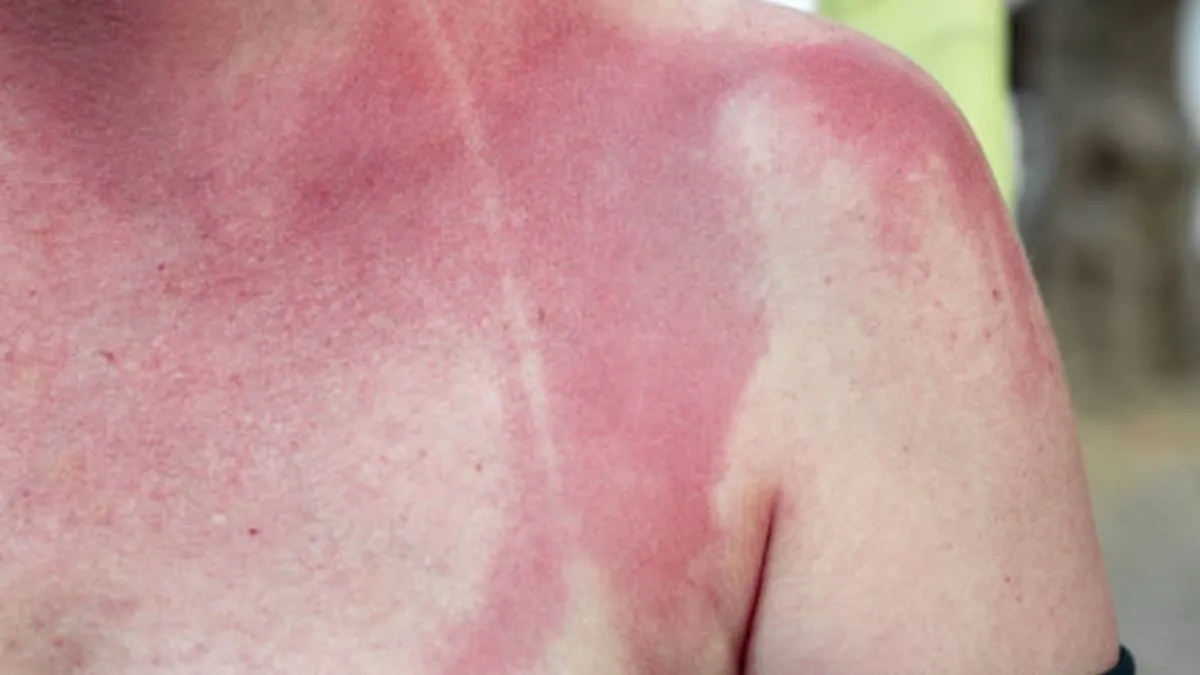
Accutane Sun Exposure: Risks and Safety Tips
Isotretinoin, often called Accutane, can change how your skin responds to outdoor conditions. During treatment, you may notice faster burning, redness, tightness, or irritation after spending time outside.
This does not mean you must stay indoors during treatment. But your old routine may no longer protect you enough.
Safe Accutane sun exposure depends on preparation, consistent sunscreen use, protective clothing, and communication with your prescribing clinician. Your skin type, climate, daily activities, medication dosage, and current level of irritation can all affect your response.
Table of Contents
Can You Be in the Sun on Accutane?
Yes, but you should limit direct ultraviolet exposure and protect all uncovered skin.
Brief outdoor activities are usually easier to manage than long periods in direct sunlight. A short morning walk may cause no problems, while several unprotected hours at the beach could lead to marked redness or a painful burn.
You should not rely on your normal tanning or burning history. Someone who rarely burned before treatment may react differently after taking isotretinoin. Skin can become more fragile, irritated, and less able to tolerate heat, wind, and ultraviolet radiation.
Pay attention to early warning signs, such as:
- Warmth, tenderness, or stinging.
- New redness on exposed areas.
- Tightness or increased peeling.
- Burning that begins sooner than expected.
- Irritation after driving or sitting near a window.
Move indoors or into solid shade when symptoms begin. Do not wait until the skin becomes visibly burned.
Why Accutane Changes Your Skin
Isotretinoin helps treat acne by shrinking sebaceous glands and lowering oil production. This can reduce blocked follicles and inflammatory breakouts. But it can also remove natural oils that support the skin barrier.
As treatment progresses, dry skin may appear on the face, lips, hands, arms, or other areas. The surface can feel tight, flaky, or sensitive to products that previously caused no problems. Heat, sweat, chlorine, salt water, and wind may worsen these symptoms.
This explains why discussions about Accutane and the sun often go beyond traditional photosensitivity. Skin that is already peeling or inflamed may react strongly to environmental stress. This can happen even when ultraviolet radiation was not a problem before treatment.
The effect varies from person to person. Your response can depend on:
- Skin tone and previous sensitivity
- Climate and altitude
- Time spent outdoors
- Other medications or skincare products
- The dose of Accutane
- Existing eczema, rosacea, or irritation
People considering an Accutane online prescription on DermOnDemand should explain their outdoor routine, travel plans, sports schedule, and current skincare habits during the medical review. These details help the clinician provide advice that fits daily life.
How to Protect Your Skin Outdoors
Daily prevention is more effective than treating redness after it develops. Apply a broad-spectrum sunscreen with SPF 30 or higher before leaving home. Cover the face, ears, neck, hands, and any exposed part of the scalp.
Use enough product to create an even layer. A thin application may not deliver the protection stated on the label. Reapply at least every two hours during extended outdoor time and sooner after swimming, heavy sweating, or towel drying.
Choose a water-resistant formula for exercise, swimming, or humid weather. Water resistance does not mean the product lasts all day. You still need to repeat the application based on the label instructions.
Clothing provides an additional layer of sun protection. Wear long sleeves made from tightly woven or UPF-rated fabric when practical. Add sunglasses and a wide-brimmed hat when your face, ears, and neck will remain exposed.
Do not forget your lips. Apply an SPF lip balm before going outdoors and repeat it after eating, drinking, or swimming. Plain petroleum jelly can reduce cracking indoors, but it does not replace a product with ultraviolet protection.
Look for formulas labeled noncomedogenic if you are concerned that sunscreen may clog pores. Texture alone does not determine whether a product will cause breakouts. A fluid may feel more comfortable than a cream, but the best choice is one that does not sting and is easy to apply consistently.
Plan Around the UV Index
Temperature does not indicate the strength of ultraviolet radiation. An overcast or cool day can still cause a burn. Check the local UV index before planning exercise, errands, gardening, or other outdoor activities.
Try to schedule longer activities earlier in the morning or later in the afternoon. Ultraviolet levels are often stronger during the middle of the day. Peak hours vary by location and season, so use the UV index rather than relying on a fixed schedule.
Shade can reduce direct exposure, but does not eliminate all risk. Ultraviolet rays may reflect from:
- Water.
- Sand.
- Snow.
- Concrete.
- Light-colored walls.
Driving also deserves attention. Some UVA radiation can pass through side windows. During long trips, protect the side of the face, neck, and hands closest to the window.
Ultraviolet radiation can still reach your skin on cloudy days, so Accutane sunlight precautions should apply even when the weather feels mild. Check the UV index and protect exposed skin even when the weather feels mild. Build your routine around measured UV levels rather than how sunny the day feels.
Summer, Travel, and Outdoor Exercise
You can often continue isotretinoin during summer, but you may need to adjust your routine. Do not change your medication because of a vacation or heat wave without consulting the prescribing clinician.
Outdoor athletes face added challenges. Sweat can remove sunscreen, uniforms may leave large areas uncovered, and practices may occur during strong UV hours. Keep sunscreen with your equipment and reapply during breaks.
For beach or pool visits, choose a shaded area and limit the outing’s duration. Apply water-resistant sunscreen before arrival and repeat it after swimming. Rinse chlorine or salt from the skin afterward, then apply a gentle moisturizer.
A practical travel kit may include:
- SPF 30 or higher sunscreen.
- Protective clothing and a hat.
- Gentle facial and body moisturizer.
- Petroleum jelly for cracked areas.
- A mild cleanser.
- Your clinician’s contact details.
Avoid tanning beds. They expose the skin to concentrated ultraviolet radiation and can cause damage even when no immediate burn appears.
Research on patients treated during sunny and less sunny periods suggests that isotretinoin need not be stopped during summer.
Some patients may continue treatment safely with medical supervision and careful prevention. This does not mean seasonal medication changes are appropriate for everyone.
Lower-Risk and Higher-Risk Situations
Not every outdoor activity carries the same level of risk. Duration, UV strength, protective measures, and your skin condition all matter.
Lower-risk examples include a short morning walk after using sunscreen. They also include sitting in full shade. You can also drive with your face and hands covered. Another option is a short swim, then reapply sunscreen right away.
Higher-risk examples include playing sports at midday in the sun. They also include staying at the beach for hours after applying sunscreen only once. Another example is tanning on purpose. Working all day outdoors while your skin is peeling or irritated also increases risk.
A lower-risk situation is not a guarantee. You may still react if your skin is already inflamed, has recently been burned, or has been exposed to another irritating product. Adjust your plans based on how your skin looks and feels that day.
What to Do After a Sunburn
Move indoors when you notice redness, heat, pain, or stinging. Cool the area with a damp cloth or a lukewarm shower. Do not place ice directly on the skin, as extreme cold may cause more damage.
Apply a plain, fragrance-free moisturizer while the area is still slightly damp. Avoid scrubbing, exfoliating, or pulling loose skin. Drink water and prevent further ultraviolet contact while the reaction heals.
Pause irritating products on the affected area. These may include topical retinoids, exfoliating acids, abrasive scrubs, alcohol-heavy toners, or benzoyl peroxide. Ask your clinician before applying medicated burn creams.
Seek medical advice when:
- Blisters cover a large area.
- Pain becomes severe.
- Redness continues to spread.
- You develop fever, chills, dizziness, or nausea.
- The skin begins to drain fluid.
- You notice signs of infection.
- Burns occur repeatedly despite careful prevention.
A severe burn increases the risk of dehydration, infection, and prolonged inflammation. It may also affect whether you should continue treatment without a clinical review.
Starting and Monitoring Isotretinoin
Before you start Accutane, your prescriber should review your medical history, medications, supplements, acne severity, and previous acne treatments. Isotretinoin is commonly considered for severe, scarring, or persistent cases that have not responded adequately to other care.
The medication can cause major congenital disabilities. Patients who can become pregnant must follow the required safety program. Depending on current requirements and personal circumstances, this can involve pregnancy tests, monthly pregnancy tests, and approved forms of birth control.
Follow the exact instructions provided by your prescriber and pharmacy. Missing a required step may interrupt access to the medication.
Routine follow-up also gives you a chance to discuss symptoms. Side effects include chapped lips, dryness of the nose or eyes, skin irritation, and possible muscle or joint discomfort. Report severe headaches, mood changes, visual symptoms, abdominal pain, or other concerning changes promptly.
Sun sensitivity is a potential side effect, not the only safety issue to monitor. The American Academy of Dermatology advises patients taking isotretinoin to follow their dermatologist’s directions and attend required follow-up visits.
Choosing Skincare Products
Keep your routine simple while taking isotretinoin. Use a gentle cleanser, fragrance-free moisturizer, and sunscreen. Adding several active products at once can increase irritation and make it difficult to identify the cause.
Choose a creamier moisturizer when the skin feels tight or flaky. A lighter lotion may work better in humid weather or on areas prone to breakouts. Reapply moisturizer when washing, wind, or air conditioning leaves the skin uncomfortable.
Avoid aggressive procedures while the surface remains fragile. Waxing, strong chemical peels, harsh exfoliation, and some laser procedures may damage sensitive skin. Ask your prescribing clinician when these treatments can be performed safely.
Makeup is not automatically prohibited. Choose gentle, noncomedogenic formulas and remove them without rubbing. If the foundation emphasizes flakes, use moisturizer and apply less makeup rather than trying to scrub the surface smooth.
How Long Sensitivity May Last
Sun sensitivity usually begins improving after you stop isotretinoin. Many people notice reduced dryness, peeling, and redness within two to four weeks, but skin recovery may take several weeks or longer, depending on the dosage, treatment duration, climate, and level of irritation.
Isotretinoin and its main metabolite are cleared from the body within several days, but the skin barrier may take longer to recover. Continue using sunscreen, shade, and protective clothing for at least one month after your final dose, or longer if your skin still burns or becomes irritated easily.
The American Academy of Dermatology states that increased sun sensitivity goes away after treatment ends, but it does not provide one exact timeline for every patient.
Avoid intentional tanning while your skin remains dry, red, or reactive. Ask your dermatologist for guidance if sensitivity persists beyond four to eight weeks or interferes with normal outdoor activities.


Yoga for Anxiety: Poses, Breathing & Expert Tips

Dougahozonn: The Japanese Concept of Video Preservation

Viltnemnda: Managing Norway’s Wildlife Sustainably

Hitaar: A Cultural Art Form of Storytelling and Melody

What Is Drop MMS? Multimedia Messaging Simplified

What is a Rebar Locator? Understanding Non-Destructive Testing (NDT) for Reinforced Concrete

Humanilex: Revolutionizing Human-Computer Interaction

MyLawyer360: Your Comprehensive Legal Resource and Assistance Platform

How Innocams Revolutionizes Home Security: Everything You Need to Know

Cursed-Memes.com: Where Disturbing Meets Funny in Meme Form

TweakLoad Software: Master Weight & Balance Simulation

Diamondfairybunny: Unveiling the Myth and Magic

Lizard Pose: A Complete Guide to Form & Flexibility

TechDae.frl: Explore Expert Tips on Android, iPhone, and Social Media

What is ghuk-y44551/300? A Complete Guide to Product Identifiers
-
 GENERAL1 year ago
Christofle – For Those Who Dream of Family Heirloom Silver
-
SPORTS1 month ago
Discover the World of Football with Streameast: Watch Your Favorite Leagues and Tournaments
-
HOME IMPROVEMENT1 year ago
Spacious and Stylish 300cm Round Rugs: Elegant and Modern Designs for a Chic Home Decor
-
GENERAL9 months ago
Uncovering the World of кинокрадко: The Dark Side of Film Piracy