
HEALTH AND FITNESS
Does Stress Cause Hair Loss? When Should You Worry?

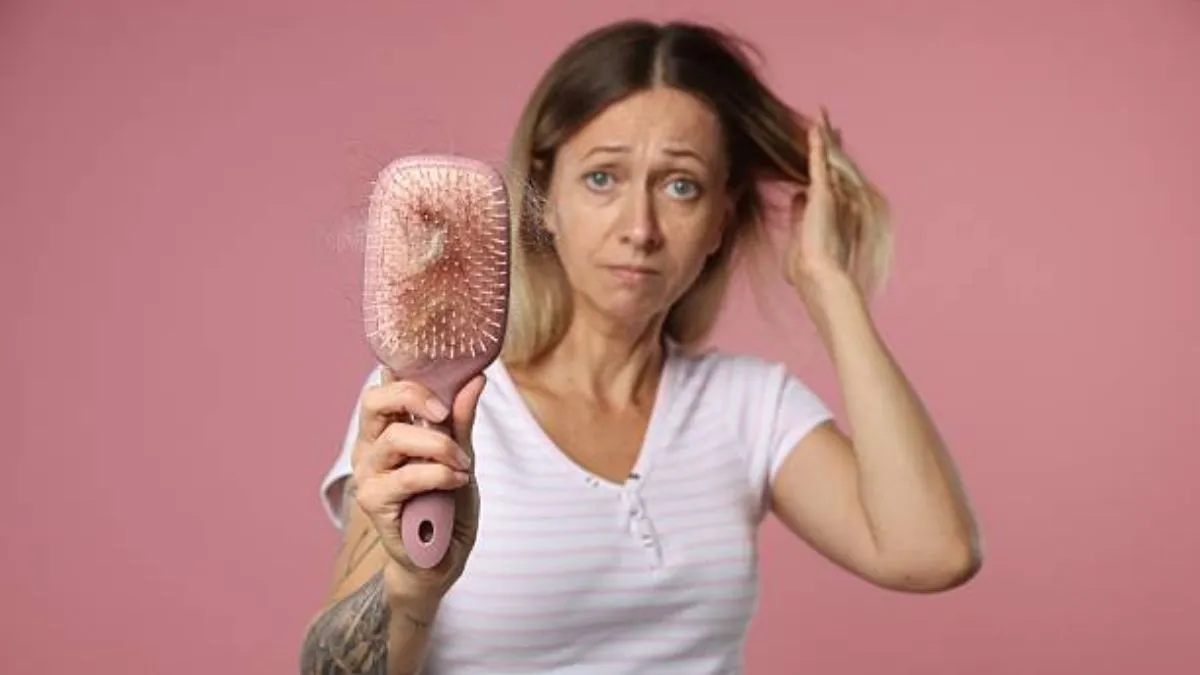
Does Stress Cause Hair Loss? Signs, Causes, and Care
Yes. Stress can lead to temporary shedding, but it does not explain every case of thinning. The pattern often appears weeks or months after a difficult period, making the connection easy to miss. By the time you notice extra strands in the shower or on your brush, the original trigger may have passed.
The key is to look at timing, distribution, and other symptoms. Sudden hair shedding across the scalp often points to a temporary problem. A receding hairline, a wider part, or small bald patches may have another cause. Tracking recent illness, surgery, weight loss, emotional strain, or medication changes can help you understand what may be happening.
Table of Contents
How Stress Changes Hair Activity
Each follicle follows a hair growth cycle with periods of active production, transition, rest, and release. Most strands remain in the anagen growth phase for years. A smaller group rests before falling out and being replaced.
A major stressful event can push a large number of hairs into the resting phase earlier than expected. Those strands stay attached for a while, then release together several months later. This delayed response is known as telogen effluvium. It usually causes diffuse thinning rather than one clearly defined patch.
Researchers have also examined how stress hormones affect the cells that support follicles. Prolonged strain may keep follicles inactive for longer by changing the signals that normally restart production. Changes in cortisol levels may play a role, but lowering this hormone is not a guaranteed cure.
A specialist at Kopelman Hair can assess whether the pattern matches temporary shedding, inherited thinning, or another condition. Identifying the correct type of hair loss helps prevent unnecessary products and delayed care.
Main Stress-Related Conditions
Stress can affect hair in different ways. The most common patterns include:
- Diffuse shedding across the scalp after illness, surgery, emotional strain, or major physical change
- Round or oval bald spots linked to alopecia areata, a condition in which the immune system attacks follicles
- Broken strands or uneven areas caused by repeated pulling during anxiety, boredom, or emotional distress
The term stress-induced alopecia may describe hair loss associated with stress, but it is not a precise diagnosis. A clinician must rule out thyroid problems, iron deficiency, scalp disease, hormonal changes, hereditary loss, and medication side effects.
Stress-induced hair loss is often reversible when the trigger improves. Autoimmune and inherited conditions may follow different courses and require targeted care. The visible pattern offers useful clues, but an examination is often needed when the cause remains unclear.
Stress Shedding or Pattern Baldness?
People often associate stress with balding because both reduce visible hair density. They are not the same process.
Stress-related shedding usually:
- Starts two or three months after a trigger
- Affects the scalp more evenly
- Causes extra strands during washing or brushing
- Improves once the trigger resolves and normal hair cycling resumes
Pattern loss usually:
- Develops gradually
- Follows a family tendency
- Affects the temples, crown, or central part
- Continues without specific treatment
So, can stress cause balding? It can expose or worsen thinning that was already developing, but it does not usually create the classic inherited pattern on its own. Temporary shedding can make an existing problem look more severe because less overall density remains to cover affected areas.
Hereditary thinning may also continue after stress-related shedding settles. This explains why some people experience less shedding but do not recover their full previous density.
Signs and Timing to Watch
A delay often separates stress and hair fall. Many people notice hair falling about two to three months after the trigger. The amount varies. Some see a mild increase, while others notice handfuls during washing or styling.
Common signs include reduced volume, more strands on the pillow, a thinner ponytail, and even loss across the scalp. The scalp usually looks normal, without heavy scaling, scarring, or severe inflammation.
The shedding phase may last several months. Once the trigger settles, follicles can return to active production. Early regrowth may appear as short, fine strands around the hairline or part. Because scalp changes happen slowly, visible improvement takes longer than the reduction in shedding.
Take photos once a month under the same lighting. Daily mirror checks are less useful because small changes are difficult to judge and can increase anxiety. Compare your part, temples, crown, and overall volume instead of counting every strand.
Will Your Hair Return?
In many temporary cases, hair growth resumes after the body recovers. Shedding may improve within three to six months, while fuller density can take six to twelve months or longer. Recovery depends on age, nutrition, illness, genetics, hormonal changes, and whether the source of strain continues.
Chronic stress can prolong shedding because the body does not receive a stable recovery period. Even so, stress management alone will not correct iron deficiency, thyroid disease, autoimmune loss, or inherited thinning.
Support healthy hair with practical habits:
- Eat enough protein, iron-rich foods, and total calories
- Avoid tight hairstyles and aggressive brushing
- Limit bleach, heat, and chemical processing during heavy shedding
- Maintain regular sleep, movement, and stress-management routines
These steps support recovery, but they do not replace a diagnosis. Avoid taking supplements without a known deficiency. Excess amounts of certain nutrients can create new problems instead of correcting the original cause.
When to Seek Medical Care
Arrange an evaluation when loss is sudden, patchy, painful, or worsening. You should also seek help if eyebrows or body hair are affected, the scalp is inflamed, or shedding occurs with fatigue, weight changes, irregular periods, or other symptoms.
A clinician may review your recent health history, examine the scalp, perform a gentle pull test, and order blood work. Testing may include iron stores, thyroid function, vitamin levels, or other markers based on your symptoms.
Medical treatment depends on the cause. Temporary shedding may require monitoring and correction of the trigger. Autoimmune loss, scalp disease, or inherited thinning may require prescription or topical care.
Starting several products at once makes it difficult to know which ones helped and may irritate the scalp. Bring a list of medications and supplements to your appointment, including anything started during the months before shedding began.
Practical Next Steps
Write down when you first noticed the change and what happened during the previous three to four months. Include illness, surgery, emotional strain, travel, rapid weight change, new medication, and major sleep disruption.
Track shedding weekly rather than daily. Use consistent photos and note whether the loss is diffuse or concentrated in certain areas. Seek care if you see patches, pain, inflammation, or continued decline.
Most temporary cases improve with time. The visible problem appears after a delay, and recovery takes time as well. Focus on identifying the cause, managing the trigger, protecting fragile strands, and avoiding treatments that do not match the diagnosis.


Cataracts and Diabetes: What Patients in Singapore Should Know

Cosmetic Dentistry Trends in 2026: How Minimally Invasive Techniques Are Creating Natural, Youthful Smiles

The 5 Best HIPAA-Compliant Communication Platforms for Multi-Location Healthcare Organizations

Does Stress Cause Hair Loss? When Should You Worry?

Teeth Grinding Causes, Symptoms, and Treatment Options

Meditation and Hair Loss: Causes, Benefits, and Limits

Yoga and Physical Therapy: How Both Support Recovery

Can Accutane Sun Exposure Make Your Skin Burn Faster?

Does Stress Cause Hair Loss? Causes and Recovery

Building a Digital Marketing Growth Playbook for 2026 and Beyond

The Ultimate Guide to Choosing the Right Yoga Mat for Your Practice

Kingymab: The Workout Routine Taking the Fitness World by Storm

10 Yoga Kneeling Pose Ideas for Beginners

HydraHD Overview: Experience the Best in HD Entertainment

Bureau of Energy Efficiency Drawings: Purpose and Standards
-
 GENERAL12 months ago
Christofle – For Those Who Dream of Family Heirloom Silver
-
SPORTS1 year ago
Discover the World of Football with Streameast: Watch Your Favorite Leagues and Tournaments
-
GENERAL6 months ago
Uncovering the World of кинокрадко: The Dark Side of Film Piracy
-
GENERAL2 months ago
Unveiling the Art of преводсч: How Translators Bridge Language Barriers