
TIPS
What Veterans Should Know After Relocating

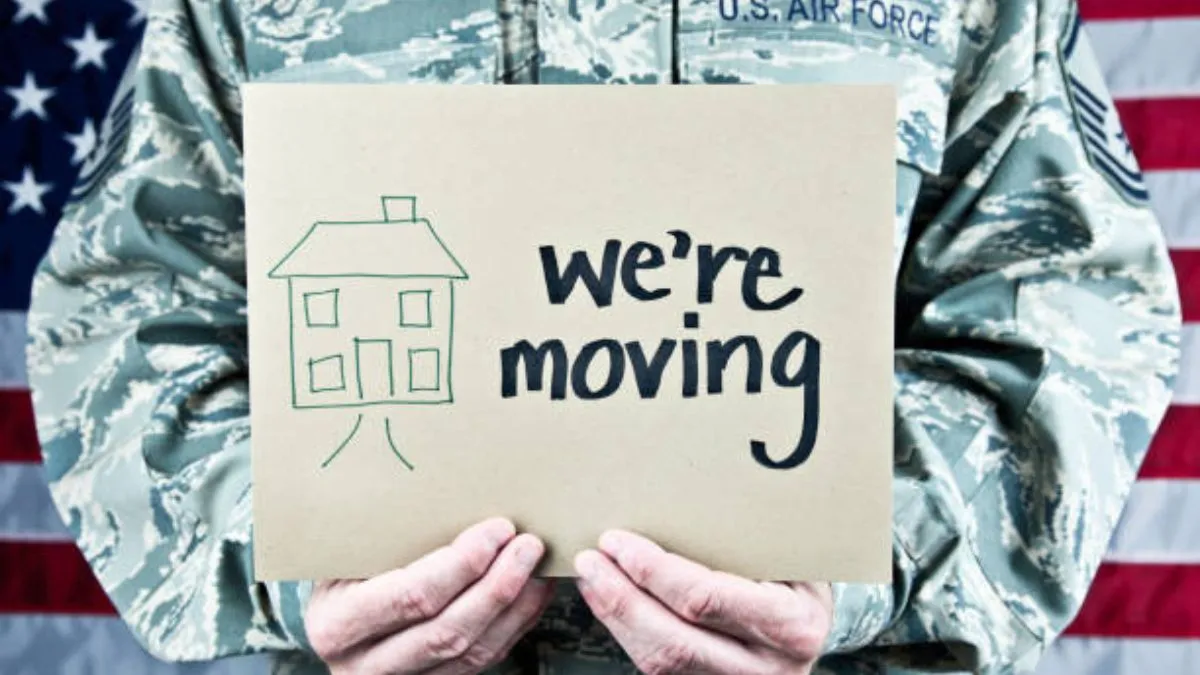
Relocating to a new city or state represents an exciting fresh start for veterans and military families. Whether moving to pursue post-service civilian careers, settle down near family, or enjoy retirement, setting up a home in a new region brings a sense of accomplishment.
However, moving as a former service member involves more than just unpacking boxes and setting up utilities. Unlike civilian relocations, relocating as a veteran requires updating administrative profiles across multiple government agencies, transferring medical care networks, and adjusting to regional laws that vary widely from state to state.
Overlooking essential post-move tasks can lead to gaps in healthcare access, delayed benefit checks, missed tax exemptions, or compliance issues with state-specific regulations. This guide outlines the most critical steps every veteran should take immediately after completing a move to ensure a smooth, stress-free transition.
Table of Contents
1. Transfer Your Healthcare and Prescription Profile
How do I transfer my VA healthcare after moving to a new state?
Contact the Traveling Veteran Coordinator at your current or new VA medical facility at least 4 to 6 weeks before moving. Request a “Traveling Veteran Consult” to officially transfer your primary care team, medical records, and prescription mail deliveries to your new local VA clinic.
Delaying your medical transfer until an emergency occurs can lead to unnecessary stress and processing delays. Make it a priority to visit your new local VA medical center during your first month in town to complete enrollment verification and meet your new care team.
2. Update Your Official Records and Benefit Mailing Addresses
Even if you update your address online with the U.S. Postal Service, federal agencies require direct notifications to maintain uninterrupted benefits.
Completing these administrative updates promptly guarantees that tax documents, benefit verification letters, and monthly checks arrive at your new front door without delay.
3. Claim State-Specific Veteran Benefits and Tax Exemptions
One of the most valuable aspects of moving to a new state is unlocking local veteran incentives. Many states offer substantial tax breaks, free hunting/fishing licenses, reduced state park admission fees, and tuition assistance for military dependents.
Do not assume state benefits apply automatically. Visit your new county property assessor’s office with your DD-214 and VA disability rating letter to submit your exemption application as soon as you close on a home or sign a lease.
4. Align with Local Firearm Ownership and Transfer Laws
Firearm laws vary significantly across state lines. A concealed carry permit, transport protocol, or magazine capacity limit that was legal in your previous state may carry strict penalties in your new jurisdiction.
When relocating to firearm-friendly regions or seeking to update your personal collection, ensuring full compliance with federal and state regulations is vital. If you are settling in the Sunshine State and looking to expand or transfer your equipment, partnering with a trusted federally licensed firearms dealer in Jacksonville FL provides a secure, fully compliant avenue for background checks, transfers, and inventory acquisition. Working with established local experts keeps your collection fully legal and properly registered according to local statutes.
5. Connect with Local Veteran Organizations and Career Networks
Establishing a strong community support system is key to feeling at home in a new area. Relocating often means leaving behind familiar military networks, making proactive community engagement essential.
- Join Local Service Chapters: Connect with local chapters of the VFW, American Legion, or Disabled American Veterans (DAV) to network and access volunteer support.
- Explore State Employment Preferences: Many state and county government jobs offer hiring preferences and point boosts for military veterans.
- Engage Community Groups: Look for local veteran-owned businesses, outdoor clubs, and fitness groups to build new friendships with people who share your background.
Surrounding yourself with a supportive local network eases the psychological transition of moving and helps you settle into your new community with confidence.
Conclusion
Relocating as a veteran involves far more than simply changing your physical location; it is an active process of re-establishing your healthcare, legal, and community foundations. By proactively transferring your VA healthcare profiles, updating federal benefit records, claiming valuable state property tax exemptions, and adhering to local licensing laws, you remove unnecessary friction from your move. Taking the time to handle these essential post-relocation tasks ensures that your transition is seamless, legal, and deeply rewarding, allowing you to enjoy your new home to the fullest.


Kouskousi: How Traditional Couscous Is Made and Served

When Should You Consider Lower Eyelid Surgery?

What to Look for When Choosing a Memory Care Community

Best IPTV Australia Services in 2026: A Comprehensive Review

Ashtanga Vs Vinyasa Yoga? Which One Should You Choose?

What Is Enhydro? Exploring Water-Filled Fossilized Amber

Unlocking Mamgatoto: The Cultural Phenomenon Shaping Communities Worldwide

DeviceURL in VEX Robotics: Node.js Communication Explained

Navigator Pear: Ornamental Tree Size, Fruit & Care

PeopleTools ATT: The Complete Guide to Oracle’s Application Technology Tools

Understanding Somatic Yoga: How Movement and Breath Can Heal

Discover Puppygirlxd: The Viral Sensation Embracing Pet Play Culture

Quad Equalizer: How 4-Band EQ Actually Works

The Gdp – Deleted Scene – E355: Fan Theories & Insights

TouchCric: The Go-To Platform for Live Cricket Streaming and Updates
-
 GENERAL1 year ago
Christofle – For Those Who Dream of Family Heirloom Silver
-
SPORTS2 months ago
Discover the World of Football with Streameast: Watch Your Favorite Leagues and Tournaments
-
HOME IMPROVEMENT1 year ago
Spacious and Stylish 300cm Round Rugs: Elegant and Modern Designs for a Chic Home Decor
-
GENERAL9 months ago
Uncovering the World of кинокрадко: The Dark Side of Film Piracy