
TIPS
How to Make a Studio Apartment Feel Bigger with Smart Space-Saving Ideas

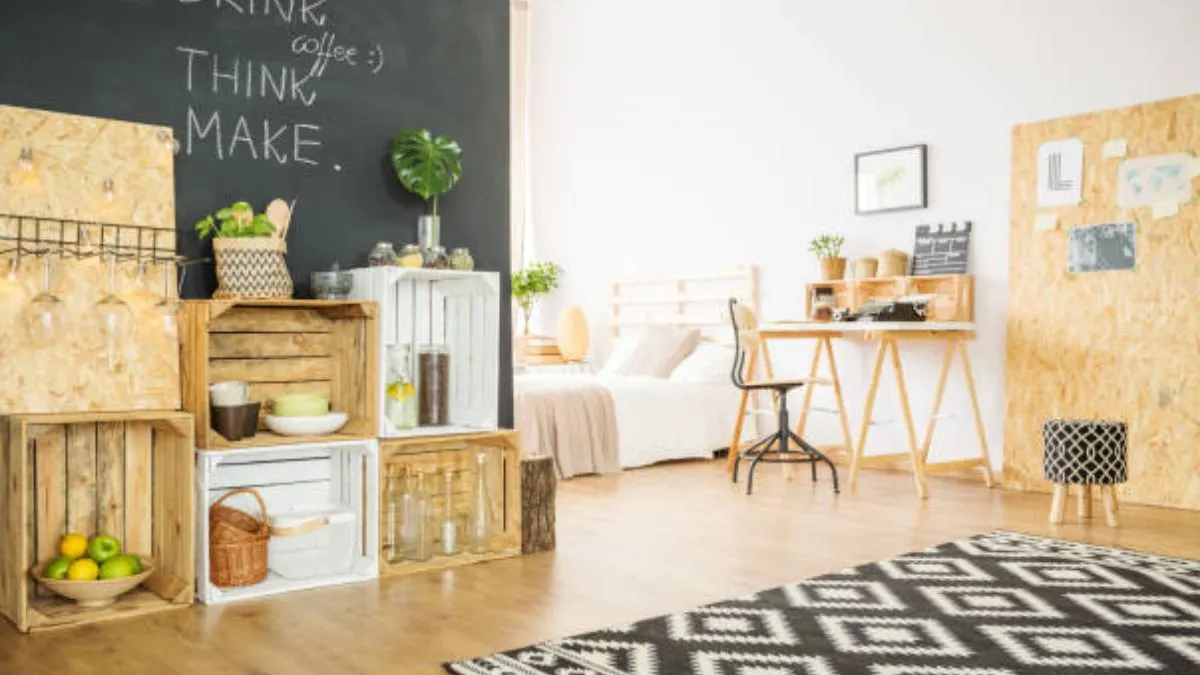
Living in a studio apartment comes with unique opportunities and challenges. While limited square footage can make decorating feel restrictive, the right design strategies can completely transform your space. Thoughtful furniture choices, smart layouts, and visual design techniques help create an open, comfortable environment that feels much larger than its actual size. Small changes often make the biggest difference.
Table of Contents
Choose Furniture That Works Harder
One of the biggest mistakes people make in a studio apartment is filling it with furniture that serves only one purpose. Every piece should contribute to both comfort and functionality, allowing your home to remain organized without feeling overcrowded.
Multi-functional furniture is especially valuable in compact living spaces. Instead of purchasing separate items for sleeping, lounging, and storage, look for designs that combine multiple uses into one footprint. This approach reduces visual clutter while freeing valuable floor space.
A wall bed with a couch is an excellent example of maximizing functionality. During the day, the seating area creates a comfortable living room, while the sleeping space stays tucked away until needed. This simple transformation allows one room to comfortably serve two distinct purposes without sacrificing style or convenience.
Storage furniture also plays an important role. Ottomans with hidden compartments, coffee tables with shelves, and beds with built-in drawers eliminate the need for additional storage units that consume precious square footage.
When selecting furniture, consider scale as carefully as function. Oversized sofas or bulky tables can overwhelm a studio apartment, making it feel crowded even if the room itself is well organized.
Create Distinct Living Zones
Although a studio apartment is technically one room, it doesn’t have to feel like one large open space. Creating visual zones helps define different activities while maintaining an airy layout.
Arrange furniture to establish natural boundaries between sleeping, dining, working, and relaxing areas. Positioning a sofa to separate the living room from the bedroom area, for example, creates a sense of structure without adding permanent walls.
Use Area Rugs to Define Spaces
Area rugs provide an easy way to visually organize your apartment. A rug beneath the seating area signals the living room, while another beneath a dining table creates a separate eating space.
Keeping each rug proportional to its designated area helps establish balance without making the room appear fragmented. Coordinating colors and patterns across rugs also maintains visual harmony.
Consider Open Dividers
Instead of installing solid partitions, choose open shelving units, decorative screens, or lightweight dividers. These options provide separation while still allowing natural light to flow throughout the apartment.
Open dividers also offer additional storage and display opportunities without creating the enclosed feeling that full walls often produce.
Maximize Natural Light
Light has one of the greatest impacts on how spacious a room feels. Bright interiors naturally appear larger, cleaner, and more welcoming.
Avoid blocking windows with heavy curtains or oversized furniture. Keeping window areas open allows sunlight to reach deeper into the room, increasing the feeling of openness.
Sheer window treatments provide privacy while still allowing daylight to enter. Their lightweight appearance also contributes to an uncluttered aesthetic.
Mirrors further enhance natural light by reflecting it throughout the room. Positioning a large mirror opposite or adjacent to a window can significantly brighten darker corners and visually expand the entire apartment.
Artificial lighting deserves equal attention. Instead of relying on a single ceiling fixture, layer multiple light sources such as floor lamps, table lamps, and wall-mounted fixtures. Even illumination minimizes harsh shadows that can make small spaces feel enclosed.
Keep Storage Organized and Out of Sight
Even beautifully designed furniture cannot compensate for visible clutter. Organization is one of the most effective ways to make a studio apartment feel significantly larger.
Everyday items should have designated storage locations that remain easily accessible while keeping surfaces clear. Open countertops, tidy shelves, and clean floors immediately create the impression of additional space.
Vertical storage is particularly valuable in compact apartments. Tall bookcases, floating shelves, and wall-mounted cabinets utilize unused wall space rather than occupying the floor.
Use Hidden Storage Whenever Possible
Hidden storage solutions reduce visual distractions while keeping belongings within reach. Benches with storage compartments, nesting tables, and underbed containers all help maintain a clean appearance.
Closets also benefit from thoughtful organization. Adjustable shelving, stackable bins, and hanging organizers maximize available capacity without requiring additional furniture elsewhere in the apartment.
Regularly reviewing your belongings prevents unnecessary accumulation. Keeping only frequently used or meaningful items ensures your living space remains functional and comfortable over time.
Use Color and Design to Expand the Room Visually
Color influences how spacious a room appears. Light, neutral shades reflect more light than darker colors, making walls seem farther apart and ceilings feel higher.
Soft whites, warm beiges, gentle grays, and muted earth tones create an open atmosphere while providing flexibility for decorating with accent colors.
Maintaining a consistent color palette throughout the apartment also reduces visual interruptions. Smooth transitions between areas encourage the eye to travel naturally across the room, enhancing the perception of space.
Large-scale patterns generally work better than busy, repetitive prints in smaller interiors. Too many competing patterns can make the apartment feel crowded, while carefully selected textures add warmth without overwhelming the design.
Decor should remain intentional rather than excessive. A few well-placed pieces of artwork, attractive plants, or decorative accessories create personality while preserving openness.
Furniture with exposed legs contributes to the same effect. Visible floor space beneath sofas, chairs, and tables creates a lighter appearance compared to furniture that extends directly to the floor.
Conclusion
Making a studio apartment feel bigger is less about adding more space and more about using the available space wisely. Functional furniture defines living zones, effective storage, abundant lighting, and a cohesive design all contribute to a home that feels open and inviting. With thoughtful planning and intentional decorating choices, even the smallest apartment can become a comfortable, organized, and visually spacious place to live.


Simple Lifestyle Changes to Improve Your Daily Energy

Moroccan Bath: The Science, Tradition, and Practical Guide to Better Skin

Ilu: The Versatile Mount of Pandora’s Na’vi Reefs

Discover the World of Football with Streameast: Watch Your Favorite Leagues and Tournaments

Back Casting Room: Definition, Setup & Best Practices

Certidor: Trusted Fiduciary Services in Guernsey

IFun TV: Your Source for the Latest Movie News

National Park Travel Tips: Plan A Smarter and More Memorable Adventure

E-Commerce Growth Strategies Every Business Owner Should Try

Why Facial Harmony Depends on Both the Face and Neck?

Business Decisions That Reduce Future Conflict

What Veterans Should Know After Relocating

Crystal Massage Therapy: How it Can Benefit Your Mind, Body, and Spirit

How to Make a Studio Apartment Feel Bigger with Smart Space-Saving Ideas

Tubidy: The Go-To Platform for Free Music and Video Streaming
-
 GENERAL1 year ago
Christofle – For Those Who Dream of Family Heirloom Silver
-
SPORTS1 day ago
Discover the World of Football with Streameast: Watch Your Favorite Leagues and Tournaments
-
GENERAL7 months ago
Uncovering the World of кинокрадко: The Dark Side of Film Piracy
-
GENERAL4 months ago
Unveiling the Art of преводсч: How Translators Bridge Language Barriers