
HEALTH AND FITNESS
How Physical Movement Supports Musculoskeletal Health Through Every Stage of Recovery

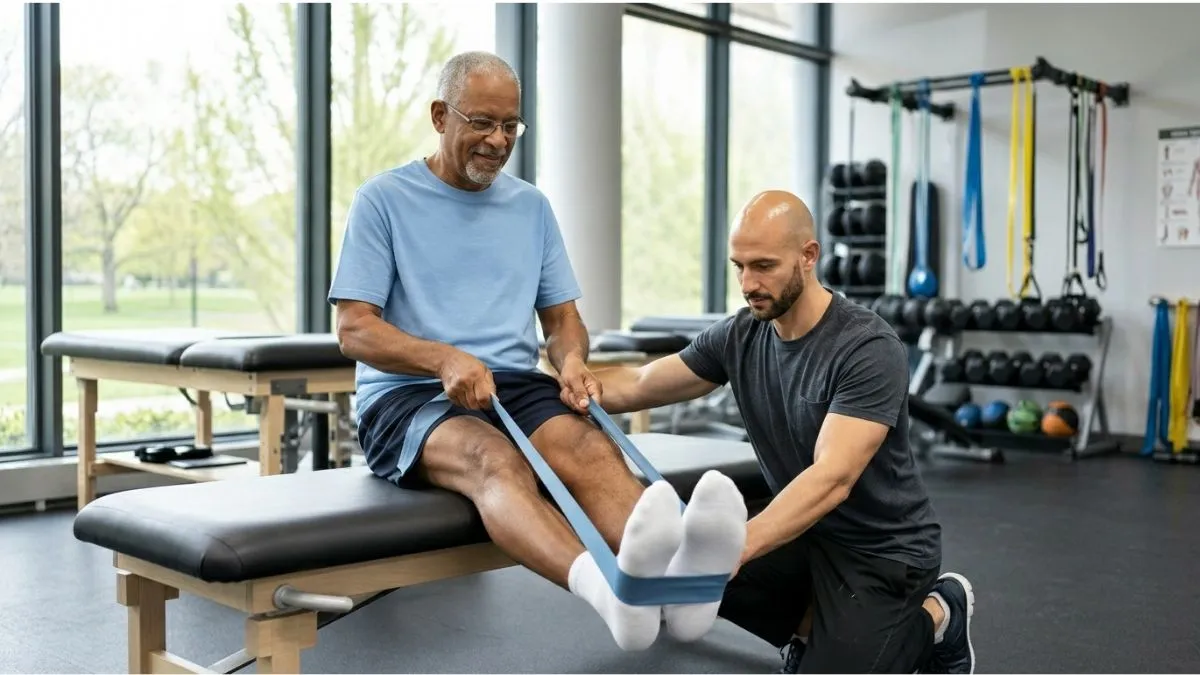
When joints ache, bones fracture, or muscles tear, the instinct to rest feels natural. But complete stillness rarely serves recovery. The relationship between movement and musculoskeletal healing is more nuanced than many realize, with different stages of injury demanding different approaches to physical activity. Understanding when to move, how much, and in what way can mean the difference between prolonged disability and restored function.
The human musculoskeletal system thrives on appropriate stress. Bones remodel in response to weight-bearing forces. Cartilage depends on compression and decompression to receive nutrients. Tendons and ligaments strengthen when loaded gradually. Yet the modern approach to injury often swings between two extremes: aggressive early mobilization that risks re-injury, or excessive caution that allows weakness and stiffness to set in. Finding the middle path requires understanding what happens inside healing tissue.
Table of Contents
The Biology of Movement During Tissue Repair
Injured musculoskeletal tissue passes through predictable phases. The inflammatory stage, lasting roughly three to five days after acute injury, sees blood vessels leak fluid and immune cells flood the area. During this window, excessive movement can disrupt fragile clot formation and delay healing. But gentle range-of-motion exercises prevent the stiffness that develops when immobilized joints form adhesions.
The proliferative phase follows, spanning approximately three weeks. Fibroblasts lay down collagen in random patterns, creating temporary scaffolding. Movement during this stage influences how these fibers align. Controlled stress encourages them to orient along lines of tension, producing stronger tissue. Complete rest during proliferation often results in weaker, less organized scar tissue that cannot withstand normal demands.
The remodeling phase can last months or years. Here, tissue gradually strengthens and reorganizes based on the loads placed upon it. Progressive loading during this period is essential. A fracture healed in a cast may have bony union, but the surrounding muscles will have atrophied and proprioceptive feedback will have diminished. Graduated exercise restores not just strength but coordination and confidence.
When Gentle Movement Beats Complete Rest
Most musculoskeletal injuries benefit from early, controlled movement rather than prolonged immobilization. Ankle sprains heal faster with functional rehabilitation than with extended rest. Knee surgery patients who begin passive motion within hours often regain mobility more quickly than those kept still for days. Even vertebral compression fractures, once treated with strict bed rest, now see better outcomes with early mobilization under guidance.
The key lies in distinguishing between harmful and helpful movement. Pain that increases during an activity and lingers afterward signals tissue stress beyond current capacity. Discomfort that eases as muscles warm up and resolves quickly after stopping typically indicates acceptable loading. Swelling that worsens throughout the day suggests too much activity, while morning stiffness that improves with gentle movement points to the benefits of increased circulation.
Movement also addresses the psychological dimension of injury. Prolonged inactivity breeds fear of re-injury and catastrophic thinking. Patients who avoid all movement often develop chronic pain patterns even after tissue healing completes. Graded exposure to movement, increasing difficulty as tolerance improves, rebuilds both physical capacity and mental resilience.
Specialized Care for Complex Musculoskeletal Conditions
While many musculoskeletal issues respond to conservative management, some require specialized intervention. Complex fractures, severe joint degeneration, sports injuries in high-level athletes, and conditions that fail to improve with initial treatment often benefit from expert assessment. Facilities offering comprehensive orthopedic abu dhabi services provide access to advanced imaging, surgical options when necessary, and structured rehabilitation programs that coordinate care across multiple disciplines.
The decision to pursue specialized care depends on several factors: severity of symptoms, degree of functional limitation, response to initial treatment, and impact on daily life. A limp that persists despite weeks of physical therapy warrants deeper investigation. Numbness or weakness accompanying back pain suggests nerve involvement requiring prompt evaluation. Joint instability that causes repeated giving-way may indicate structural damage needing surgical repair.
Movement Practices That Support Long-Term Joint Health
Beyond injury recovery, certain movement patterns protect musculoskeletal health over decades. Weight-bearing exercise maintains bone density, reducing fracture risk in later life. Activities that challenge balance and coordination preserve proprioception, the body’s internal sense of position that prevents falls and awkward movements.
Yoga and similar practices offer particular benefits for musculoskeletal longevity. Sustained stretching increases flexibility in connective tissue, countering the stiffness that accumulates with age. Weight-bearing poses on hands and feet strengthen bones in the wrists and ankles, areas often neglected in conventional exercise. The emphasis on body awareness cultivates the ability to notice and correct harmful movement patterns before they cause injury. Exploring resources like those found at comprehensive wellness networks can provide guidance on integrating these practices safely into daily routines.
However, movement alone cannot overcome all musculoskeletal challenges. Genetic factors influence cartilage health, bone density, and injury susceptibility. Previous trauma leaves lasting changes in tissue structure. Inflammatory conditions like rheumatoid arthritis require medical management beyond exercise. The goal is not to prevent all degeneration but to maintain the highest possible function given individual circumstances.
Navigating Healthcare Decisions for Musculoskeletal Issues
Knowing when to seek professional evaluation requires judgment. Minor aches that resolve within days rarely need medical attention. Persistent pain lasting beyond two weeks, especially if worsening, warrants assessment. Sudden loss of function, such as inability to bear weight or grip objects, demands prompt evaluation. When considering what level of care might be appropriate, understanding different types of healthcare services helps patients make informed decisions about whether primary care, physical therapy, or specialist consultation best fits their situation.
The healthcare journey for musculoskeletal problems often involves multiple providers. Primary care physicians diagnose common conditions and coordinate initial treatment. Physical therapists design exercise programs and provide hands-on treatment. Orthopedic specialists manage complex cases, perform surgery when necessary, and oversee recovery from major procedures. Pain management physicians address chronic symptoms that persist despite other interventions. Effective care requires communication between these professionals and active participation from patients.
Building Resilience Through Strategic Loading
The concept of progressive overload, borrowed from strength training, applies broadly to musculoskeletal health. Tissue adapts to gradually increasing demands but breaks down when stressed beyond current capacity. A runner returning from stress fracture cannot immediately resume previous mileage. A worker recovering from back strain needs to rebuild lifting tolerance incrementally. The challenge lies in finding the edge of current capacity without exceeding it.
Monitoring response guides progression. Muscle soreness lasting 24 to 48 hours after exercise indicates normal adaptation. Pain during activity that forces modification suggests excessive load. Increased stiffness, reduced range of motion, or localized swelling signal the need to reduce intensity. Many people err by progressing too quickly when feeling good, then suffering setbacks that erase weeks of progress.
Rest remains important but takes different forms. Active recovery using gentle movement maintains circulation without stressing healing tissue. Relative rest reduces load on injured areas while maintaining fitness in unaffected regions. Complete rest serves a purpose in acute injury but becomes counterproductive when extended unnecessarily. The art lies in calibrating activity to support rather than hinder healing.
The Long View on Musculoskeletal Wellness
Musculoskeletal health represents a balance between breakdown and repair that shifts across a lifetime. Youthful resilience gradually gives way to slower healing and cumulative wear. Yet the trajectory is not fixed. People who maintain appropriate movement throughout life preserve function far better than those who become sedentary. Those who address injuries properly often recover fully, while those who ignore problems or return to activity prematurely develop chronic issues.
The relationship between movement and musculoskeletal health is neither simple nor linear. Too little movement causes weakness and stiffness. Too much causes injury and breakdown. The optimal zone shifts with age, injury status, overall health, and individual variation. Learning to read the signals from one’s own body, seeking expert guidance when needed, and maintaining consistent appropriate activity offers the best path to lasting musculoskeletal function. Recovery from injury and prevention of future problems both depend on understanding that movement, properly dosed, is medicine for the musculoskeletal system.


Lash Line Enhancement in Raleigh, Answered: 12 Honest Questions Before You Book

How Physical Movement Supports Musculoskeletal Health Through Every Stage of Recovery

Why Hospital-Employed Physician Practices Keep Losing Money

Wearable Air Purifiers: A Closer Look at the Personal Clean-Air Trend

Preparing for Your Child’s First Dental Visit: A Practical Guide for Parents

What to Look for in a Pilates Studio or Instructor

Why Recurrent Cleaning Services Keep Homes Spotless All Year

AI PPT Maker for Teachers: Turn Lesson Notes into Slides That Leave Room to Teach

Chief Technical Examiner: Roles, Rules and Responsibilities

When Should You Visit an Orthopaedic Clinic for a Sports Injury?

How to Choose an E-Bike for a More Active Everyday Lifestyle

What is Chin Mudra? Discover Its Meaning and Health Benefits

Classroom20x: Future of Hybrid Learning Explained

Exploring the World of Futbolear: A Comprehensive Guide

LeahRoseVIP: Trusted Lifestyle Magazine for Holistic Wellbeing
-
 GENERAL1 year ago
Christofle – For Those Who Dream of Family Heirloom Silver
-
GENERAL10 months ago
Uncovering the World of кинокрадко: The Dark Side of Film Piracy
-
SPORTS3 months ago
Discover the World of Football with Streameast: Watch Your Favorite Leagues and Tournaments
-
HOME IMPROVEMENT2 years ago
Spacious and Stylish 300cm Round Rugs: Elegant and Modern Designs for a Chic Home Decor