
HEALTH AND FITNESS
What to Prepare Before a Rhinoplasty Consultation in Singapore

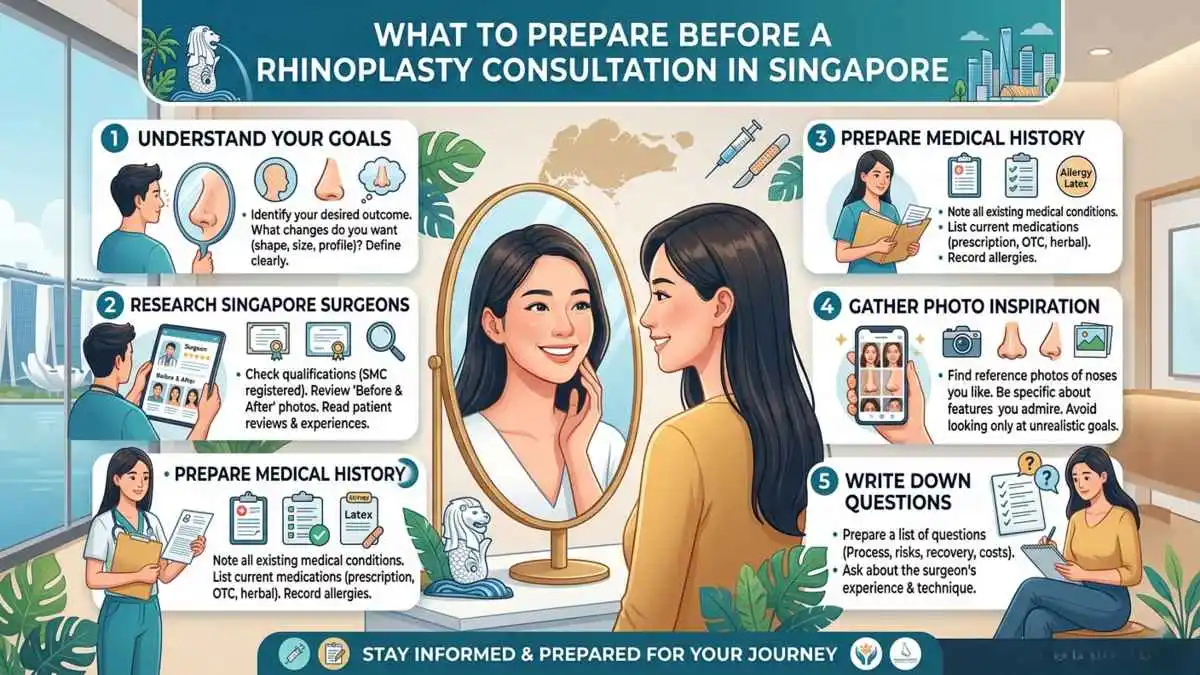
Rhinoplasty is a surgical procedure that may be considered for nasal shape, nasal structure, or breathing-related concerns. Before deciding on rhinoplasty surgery, patients usually attend a consultation so their goals, nasal anatomy, medical history, and recovery needs can be assessed.
For patients researching rhinoplasty in Singapore, preparation before consultation can help make the discussion clearer. A consultation may cover aesthetic concerns, functional symptoms, prior nasal injury, previous procedures, medication use, expected recovery, and procedure-specific risks.
Table of Contents
Why Preparation Matters Before a Rhinoplasty Consultation
A rhinoplasty consultation is not just a discussion about nasal appearance. It may also involve nasal structure, breathing, skin thickness, facial proportions, healing factors, and recovery planning.
Preparing before the appointment can help patients describe their concerns clearly and provide details that may affect surgical planning.
Patients may prepare by noting:
- What they would like assessed
- Whether the concern is cosmetic, functional, or both
- History of nasal injury
- Prior nose surgery or facial surgery
- Breathing symptoms
- Allergies or sinus concerns
- Medication and supplement use
- Smoking or vaping history
- History of scarring or wound-healing issues
- Questions about recovery and aftercare
- Medical History to Bring Up During Consultation
Medical history is relevant before any surgical procedure. Patients should tell the doctor about current and past medical conditions, medication use, allergies, and previous operations.
Details that may be discussed include:
- Bleeding disorders
- High blood pressure
- Diabetes
- Heart or lung conditions
- Immune conditions
- Previous reactions to anaesthesia
- Medication allergies
- Use of blood-thinning medication
- Use of supplements or herbal products
- Smoking, vaping, or nicotine use
Patients should not stop prescribed medication unless advised by a doctor.
Breathing Concerns and Functional Symptoms
Some patients consider nose surgery for appearance-related concerns, while others also have breathing symptoms. During consultation, patients should mention nasal blockage, snoring, sinus symptoms, previous trauma, or known septal concerns.
A doctor may assess whether functional concerns are relevant to the surgical plan. For some patients, discussion may involve both external nasal shape and internal nasal structure.
Photos, Goals, and Expectations
Patients may bring reference photos to help explain their preferences. These photos should be used as communication tools, not as fixed outcomes. Nasal shape depends on individual anatomy, skin thickness, cartilage structure, facial proportions, and healing response.
Patients may wish to prepare answers to questions such as:
- What aspect of the nose concerns you?
- Is the concern related to the bridge, tip, nostrils, width, or profile?
- Are there breathing symptoms?
- Has there been prior trauma?
- What level of change are you comfortable discussing?
- What are your recovery limits?
A rhinoplasty surgeon may then explain what can be assessed, what may not be suitable, and what recovery may involve.
Questions to Ask Before Rhinoplasty Surgery
Patients considering rhinoplasty in Singapore may wish to ask:
- Am I suitable for rhinoplasty surgery?
- Are my concerns cosmetic, functional, or both?
- What surgical approach may be discussed for my case?
- What are the possible risks and side effects?
- What type of anaesthesia may be used?
- What should I do before surgery?
- What should I avoid before surgery?
- How long may swelling or bruising last?
- When can I return to work or exercise?
- What follow-up visits may be needed?
- What symptoms should I report after surgery?
These questions can support informed decision-making before proceeding with treatment.
Recovery Planning Before Surgery
Recovery planning should be discussed before rhinoplasty surgery. Patients may need to plan time away from work, arrange transport after the procedure, prepare for follow-up visits, and understand activity limits.
Recovery discussions may include:
- Swelling and bruising
- Nasal dressings or splints
- Wound care
- Medication instructions
- Sleeping position
- Exercise restrictions
- Return to work
- Follow-up schedule
- Symptoms that require medical review
Patients should ask for written instructions where available.
What to Avoid Before Consultation or Surgery
Before consultation, patients should avoid changing medication or supplements without medical advice. Before surgery, the doctor may provide instructions on medication, supplements, smoking, alcohol, food intake, and skincare.
Patients should also avoid making decisions based solely on online images, trends, or price. Rhinoplasty surgery involves medical assessment, procedural planning, recovery, and follow-up care.
Choosing a Rhinoplasty Specialist in Singapore
When considering a plastic surgeon in Singapore, patients may review whether the consultation includes medical history, nasal assessment, discussion of breathing concerns, explanation of risks, recovery planning, and follow-up care.
A consultation should give patients time to ask questions and understand whether nose surgery in Singapore is suitable for their concerns and health profile.
Patients researching rhinoplasty in Singapore may use the consultation to discuss nasal structure, procedure planning, expected recovery, and aftercare considerations.
Preparing before a rhinoplasty consultation can help patients explain their goals, provide relevant medical history, and ask informed questions. Rhinoplasty is not a single-step decision. It involves assessment of nasal structure, breathing concerns, anatomy, healing factors, recovery needs, and patient expectations.
For patients considering rhinoplasty or nose surgery, consultation is a practical step before deciding whether surgery is suitable. Patients should bring relevant medical details, discuss functional symptoms, ask about risks and recovery, and clarify follow-up care before deciding.


What Is Drop MMS? Multimedia Messaging Simplified

What is a Rebar Locator? Understanding Non-Destructive Testing (NDT) for Reinforced Concrete

Humanilex: Revolutionizing Human-Computer Interaction

MyLawyer360: Your Comprehensive Legal Resource and Assistance Platform

How Innocams Revolutionizes Home Security: Everything You Need to Know

Cursed-Memes.com: Where Disturbing Meets Funny in Meme Form

TweakLoad Software: Master Weight & Balance Simulation

Diamondfairybunny: Unveiling the Myth and Magic

Lizard Pose: A Complete Guide to Form & Flexibility

TechDae.frl: Explore Expert Tips on Android, iPhone, and Social Media

What is ghuk-y44551/300? A Complete Guide to Product Identifiers

XannyTech.net: Best Platform for Tech Enthusiasts and Everyday Users

Dermatologist: Why This Specialist Matters for Your Skin Health

How AI Is Reshaping the Way We Edit Video

Tech Etruesports: The Evolution of Competitive Gaming
-
 GENERAL1 year ago
Christofle – For Those Who Dream of Family Heirloom Silver
-
SPORTS1 month ago
Discover the World of Football with Streameast: Watch Your Favorite Leagues and Tournaments
-
HOME IMPROVEMENT1 year ago
Spacious and Stylish 300cm Round Rugs: Elegant and Modern Designs for a Chic Home Decor
-
GENERAL9 months ago
Uncovering the World of кинокрадко: The Dark Side of Film Piracy