
HEALTH AND FITNESS
Laser & Light Treatments for Pigmentation in Singapore

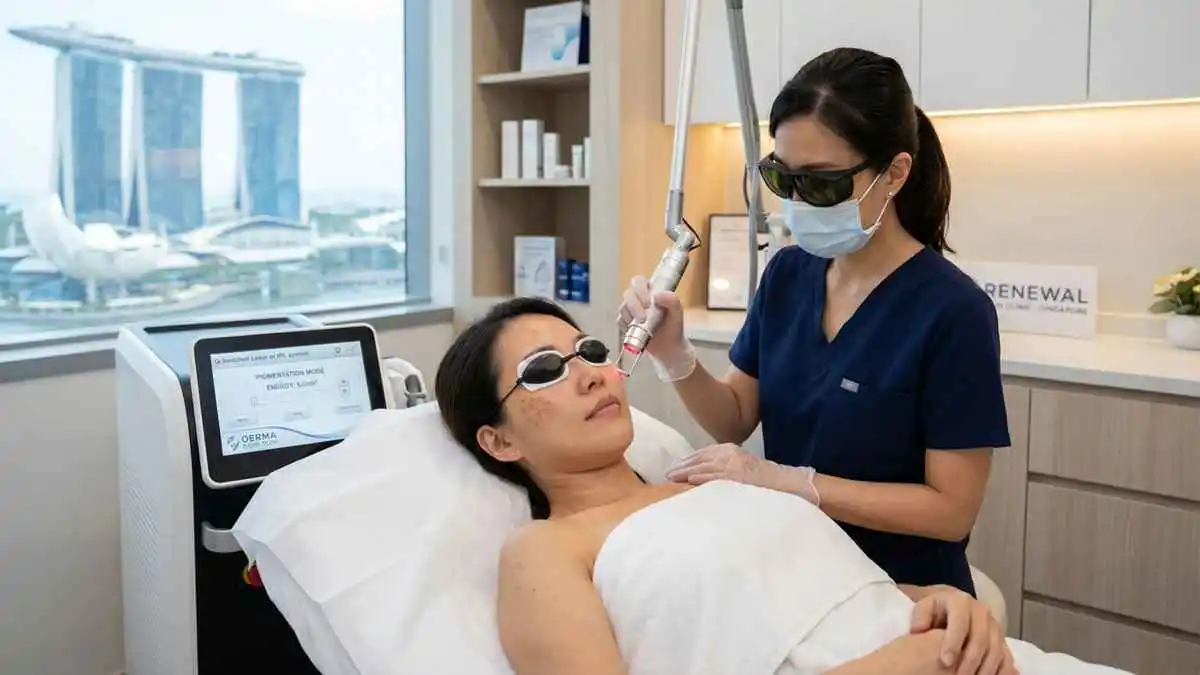
Pigmentation concerns can appear as brown patches, dark spots, uneven tone, or lighter patches on the skin. These changes may be linked to sun exposure, inflammation, hormonal factors, skin injury, acne marks, or underlying pigment conditions. Because different pigmentation concerns may look similar, pigmentation removal in Singapore is usually planned after a skin assessment rather than selected based on appearance alone.
Laser and light-based procedures are among the options that may be discussed during pigmentation treatment. However, suitability depends on the type of pigmentation, skin tone, medical history, recent sun exposure, medication use, and recovery expectations. In Singapore, clinical aesthetic procedures by registered medical and dental practitioners are regulated under the Healthcare Services Act, and doctors carrying out aesthetic procedures are advised to refer to the Singapore Medical Council’s Guidelines on Aesthetic Practices for Doctors.
Patients researching pigmentation removal in Singapore may benefit from understanding how laser and light-based treatments are assessed, what types of pigmentation may be discussed, and why aftercare is part of treatment planning.
Table of Contents
What Is Skin Pigmentation?
Skin pigmentation refers to colour changes in the skin. It may involve excess pigment, lighter patches, or mixed patterns. Common examples include melasma, freckles, solar lentigines, post-inflammatory hyperpigmentation, and other pigment-related conditions.
Some brown spots may be benign cosmetic concerns, while others may require medical review.
Why Diagnosis Matters Before Pigmentation Treatment
Pigmentation treatment should begin with identifying the type of pigmentation. A treatment that may suit one type of pigmentation may not suit another.
A consultation may assess:
- Pigmentation pattern and depth
- Skin tone
- History of melasma or post-inflammatory hyperpigmentation
- Sun exposure habits
- Use of skincare or lightening creams
- Pregnancy or breastfeeding status
- Hormonal factors
- Recent procedures
- Medication use
- History of scarring or sensitivity
This assessment helps guide whether laser treatment, light-based care, topical medication, microdermabrasion, or a staged plan may be discussed.
Laser Treatment for Pigmentation
Laser treatment uses focused light energy to target selected pigment concerns. Depending on the device and diagnosis, pigment lasers may be discussed for concerns such as freckles, lentigines, Hori’s naevus, or selected cases of post-inflammatory hyperpigmentation. The referenced pigmentation treatment page lists laser treatment among procedure-based options and notes that treatment planning depends on pigmentation type and severity.
Laser treatment is not suitable for every pigmentation concern. For example, melasma can be complex and may require caution because it can be affected by heat, hormones, sun exposure, and skin sensitivity. Patients should ask about suitability, expected downtime, possible side effects, and the role of sun protection before starting treatment.
Light-Based Treatment for Pigmentation
Light-based treatment, including intense pulsed light, may be discussed for selected pigment concerns. Unlike a single-wavelength laser, light-based treatment uses a broad beam of light. The suitability of this option depends on the diagnosis, treatment area, and skin type.
A medical consultation is essential to determine whether light-based therapies are suitable or if an alternative pigmentation treatment in Singapore would be more effective. Patients with darker skin tones, recent tanning, active irritation, or pigmentation that worsens after inflammation should raise these details during assessment.
Other Pigmentation Treatment Options
Laser and light-based treatments are not the full scope of pigmentation care. Depending on the skin concern, other options may include:
- Prescription topical medication
- Sunscreen and sun avoidance measures
- Antioxidant or pigment-regulating skincare
- Chemical peels
- Microdermabrasion
- A staged treatment plan
What Patients May Want to Ask Before Treatment
Before starting pigmentation removal, patients may wish to ask:
- What type of pigmentation do I have?
- Is the pigmentation superficial, deeper, or mixed?
- Is laser or light-based treatment suitable for my skin type?
- Are topical treatments needed before or after procedures?
- What side effects should I understand?
- What aftercare should I follow?
- How should I manage sun exposure?
- Could pigmentation return after treatment?
- Are there reasons why treatment should be delayed?
These questions can help patients understand the role of diagnosis, aftercare, and review during pigmentation treatment.
When to Seek Medical Advice
Medical advice may be useful if pigmentation appears suddenly, changes in size or colour, has irregular borders, becomes symptomatic, or follows skin inflammation. Patients should also seek assessment if pigmentation worsens after skincare products, cosmetic procedures, or sun exposure.
Patients may consult a dermatology clinic in Singapore for assessment of pigmentation, acne marks, melasma-like patches, sunspots, or other skin colour changes.
Laser and light-based options may be discussed for selected pigmentation concerns, but treatment should be guided by diagnosis, skin type, medical history, and aftercare needs. Pigmentation removal is not a single-procedure decision, as melasma, freckles, lentigines, post-inflammatory pigmentation, and other concerns may require different approaches.
For patients considering pigmentation removal in Singapore, a consultation-led approach can help clarify the type of pigmentation, possible treatment options, recovery considerations, and the role of sun protection in long-term skin care.


What Is Drop MMS? Multimedia Messaging Simplified

What is a Rebar Locator? Understanding Non-Destructive Testing (NDT) for Reinforced Concrete

Humanilex: Revolutionizing Human-Computer Interaction

MyLawyer360: Your Comprehensive Legal Resource and Assistance Platform

How Innocams Revolutionizes Home Security: Everything You Need to Know

Cursed-Memes.com: Where Disturbing Meets Funny in Meme Form

TweakLoad Software: Master Weight & Balance Simulation

Diamondfairybunny: Unveiling the Myth and Magic

Lizard Pose: A Complete Guide to Form & Flexibility

TechDae.frl: Explore Expert Tips on Android, iPhone, and Social Media

What is ghuk-y44551/300? A Complete Guide to Product Identifiers

XannyTech.net: Best Platform for Tech Enthusiasts and Everyday Users

Dermatologist: Why This Specialist Matters for Your Skin Health

How AI Is Reshaping the Way We Edit Video

Tech Etruesports: The Evolution of Competitive Gaming
-
 GENERAL1 year ago
Christofle – For Those Who Dream of Family Heirloom Silver
-
SPORTS1 month ago
Discover the World of Football with Streameast: Watch Your Favorite Leagues and Tournaments
-
HOME IMPROVEMENT1 year ago
Spacious and Stylish 300cm Round Rugs: Elegant and Modern Designs for a Chic Home Decor
-
GENERAL9 months ago
Uncovering the World of кинокрадко: The Dark Side of Film Piracy