HOME IMPROVEMENT
Designing Your Home for Harmony with Feng Shui

Feng Shui, an ancient Chinese practice of arranging spaces, has become a popular method for creating harmony and abundance in the home. The term itself translates to “wind and water,” offering a thoughtful approach to designing living and working areas that support both mental and physical well-being. This practice is rooted in the belief that “chi,” the universal life force, flows through everything around us. The Chinese have long held that the placement of objects can influence this energy flow, directly impacting the quality of life for those within that environment.
Table of Contents
The Evolution of Feng Shui in Home Design
For thousands of years, Feng Shui has profoundly shaped Chinese culture, influencing everything from architecture and interior design to daily routines. A classic example is the strategic positioning of a home’s main door to welcome positive energy. As Feng Shui has traveled westward, it has blended with local design philosophies, creating a unique fusion of Eastern and Western aesthetics. Today, you can find its principles integrated into a wide range of styles, from minimalist to eclectic.
Balancing Energy: The Core of Feng Shui
At its heart, Feng Shui is about balancing two opposing yet complementary forces: yin and yang. This principle highlights the importance of harmonizing opposites. In interior design, this translates to finding equilibrium between light and dark, as well as between soft and hard textures, or creating distinct zones for activity and rest. A well-balanced space feels both energizing and calming.
The Front Door: Your Home’s Energy Gateway
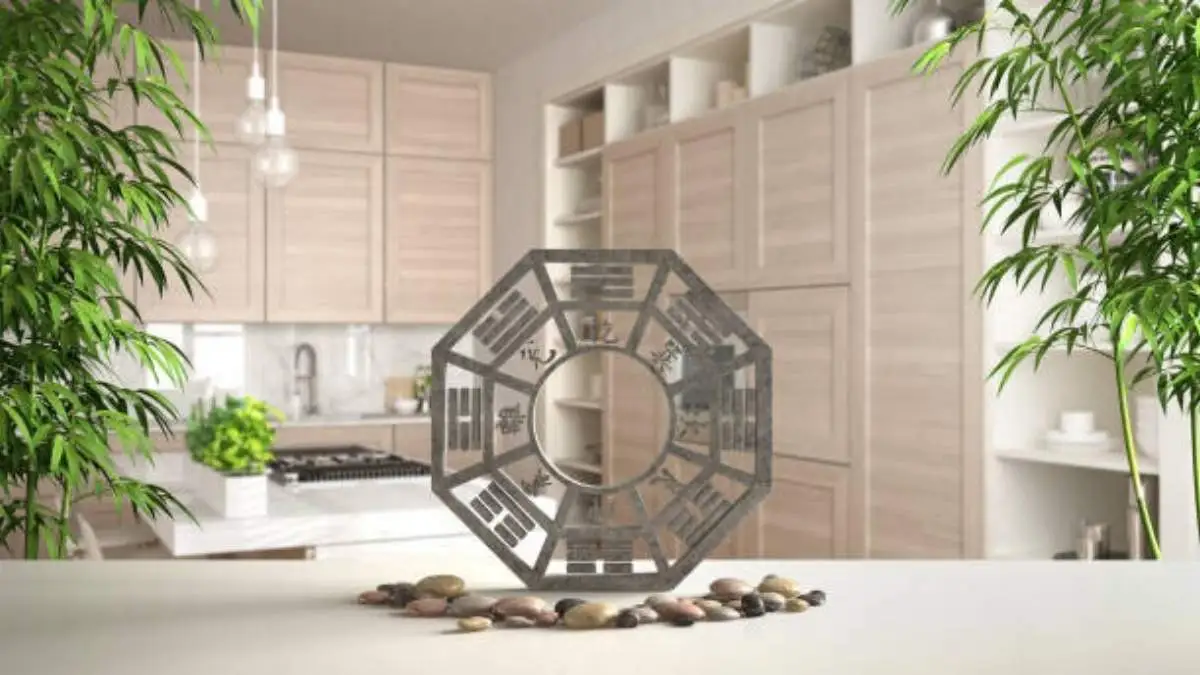
In Feng Shui, the front door is considered the primary entry point for chi. It sets the first impression and acts as a magnet for positive energy and abundance. A spacious, bright, and well-maintained entrance invites this beneficial energy to enter and circulate throughout your home. To ensure a smooth flow, avoid placing obstacles, such as shoes or clutter, near the entryway. A clean, welcoming doormat also contributes to a positive first impression. If you have neighbors close by, some practitioners suggest placing a small Bagua mirror near the doorbell to reflect and manage external energies.
Designing a Restful Feng Shui Bedroom
The bedroom is a sanctuary for rest and rejuvenation, so its design is crucial. Position your bed so you can see the door but are not directly in line with it, as the direct flow of energy can disrupt sleep. If you have no other option, sleeping with the door closed can help. Symmetry is also important; placing identical nightstands on either side of the bed can symbolize equality in relationships and create visual harmony. Choose soft, soothing colors like light blue, pastel green, or creamy white to promote a tranquil atmosphere. Keep the room tidy with ample storage, and avoid storing items under the bed to allow energy to flow freely.
Creating Harmony in the Kitchen
The kitchen is a hub of nourishment and activity. A key Feng Shui principle here involves the placement of the stove (a fire element) and the sink (a water element). Ideally, these should not be directly opposite or next to each other. If your layout makes this unavoidable, you can introduce a wood element, like a plant or a wooden cutting board, between them to create balance. When considering a kitchen remodeling project, incorporating these principles can enhance the room’s energetic harmony. Warm, appetizing colors such as soft yellows or oranges can also stimulate positive energy in this space.
Arranging Your Living Room for Connection
The living room is a social space where energy should flow freely to encourage connection and comfort. Arrange your furniture to allow for easy movement and access. A key guideline is to position the sofa against a solid wall, providing a clear view of the entrance. This “command position” provides a sense of security and control. Avoid overloading the room with too much furniture, as this can create energetic blockages. Instead, use decorative accessories, such as rugs, pillows, and plants, to add personality without cluttering the space.
Practical Tips for Applying Feng Shui
If you’re ready to apply Feng Shui to your home, start with a few simple steps. First, declutter and organize your space. A clean, tidy home allows chi to flow without obstruction. Use colors intentionally to create the desired mood in each room. Maximize natural light wherever possible, and add plants to bring in the freshness of the wood element. Please pay attention to hallways and doorways, ensuring they are clear so that energy can move freely between rooms. Ultimately, the goal is to create a living environment that supports your well-being and reflects the life you wish to live.


Acamento: The Artful Science of Finishing with Purpose

Aura Farming: The Viral Slang Shaping Digital Identity

SoSoActive: Lifestyle & Culture for Millennials & Gen Z

Prasarita Padottanasana: How to Do It Correctly

From Webinar Recordings to Social Clips with Video Cutter AI

A Little Room to Breathe: Making Quieter AI Videos with Wan 3.0

Kouskousi: How Traditional Couscous Is Made and Served

When Should You Consider Lower Eyelid Surgery?

What to Look for When Choosing a Memory Care Community

Best IPTV Australia Services in 2026: A Comprehensive Review

Ashtanga Vs Vinyasa Yoga? Which One Should You Choose?

What Is Enhydro? Exploring Water-Filled Fossilized Amber

Unlocking Mamgatoto: The Cultural Phenomenon Shaping Communities Worldwide

DeviceURL in VEX Robotics: Node.js Communication Explained

Navigator Pear: Ornamental Tree Size, Fruit & Care
-
 GENERAL1 year ago
Christofle – For Those Who Dream of Family Heirloom Silver
-
SPORTS2 months ago
Discover the World of Football with Streameast: Watch Your Favorite Leagues and Tournaments
-
HOME IMPROVEMENT2 years ago
Spacious and Stylish 300cm Round Rugs: Elegant and Modern Designs for a Chic Home Decor
-
GENERAL9 months ago
Uncovering the World of кинокрадко: The Dark Side of Film Piracy