
HEALTH AND FITNESS
Kidney Stones and Urinary Problems: Understanding CT Urinary Tract Imaging

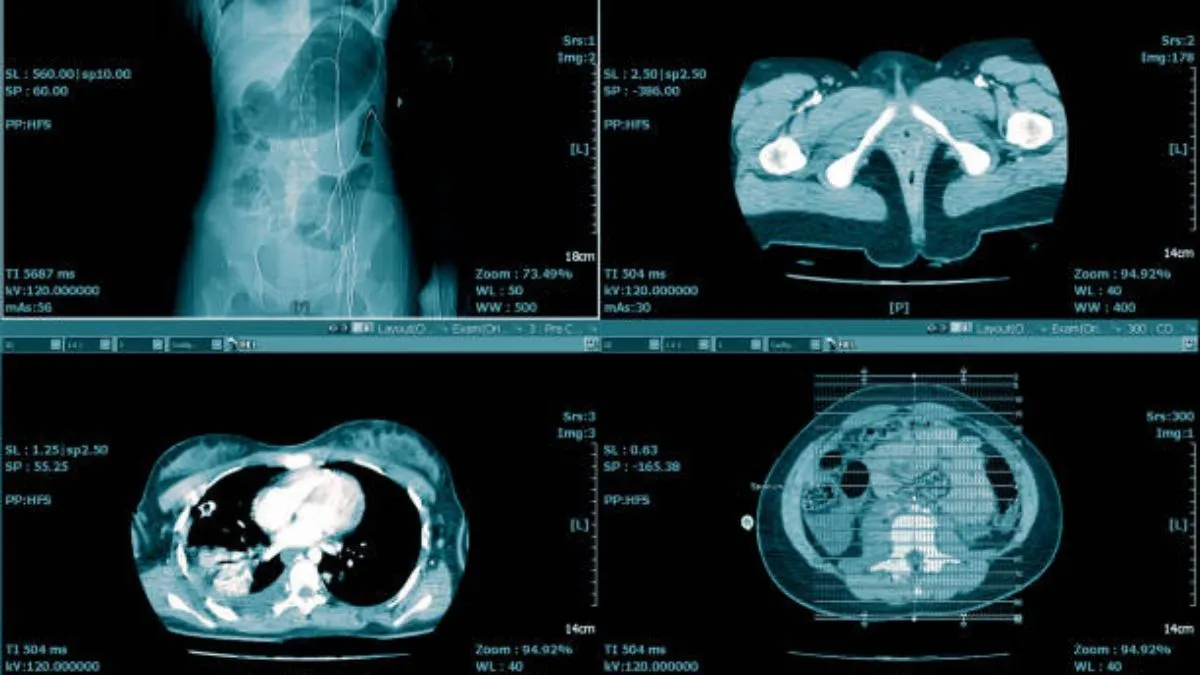
Sharp pain in your back or side, blood in your urine, or trouble going to the toilet can all be signs of a problem somewhere in your urinary system, and one of the most common causes is a kidney stone. If your doctor has sent you for a scan to check it out, there’s a good chance it’s a CT urinary tract scan. Here’s what that actually means, and what it can pick up.
Table of Contents
What Is CT Urinary Tract Imaging?
CT urinary tract imaging is a type of CT scan that focuses on your kidneys, ureters (the tubes that carry urine from your kidneys to your bladder), and your bladder itself. Doctors sometimes call it a “CT KUB” (kidney, ureter, bladder) scan.
There are two main versions. A plain CT KUB doesn’t use any contrast dye and is mainly used to spot kidney stones, since it’s very good at picking up hard, calcified structures. A CT urogram uses contrast dye injected into your arm, which lights up the urinary tract in more detail and helps doctors get a clearer look at soft tissue, not just stones.
Providers such as Xplore Radiology offer CT urinary tract imaging across their NSW clinics, with experienced radiologists reporting on both plain and contrast scans. Many patients appreciate being able to book the exact type of urinary tract scan their doctor has requested at a single, conveniently located clinic, with bulk billing available for eligible Medicare-referred scans. Your doctor will decide which version suits your symptoms.
Either way, the scan itself is quick, usually somewhere between 10 and 30 minutes, and you’ll lie on a table that slides through a doughnut-shaped scanner while it takes pictures.
Why Would You Need One?
Doctors usually order this kind of scan when someone shows up with symptoms that point to a urinary tract issue, such as:
- Sudden, severe pain in the back, side, lower belly, or groin
- Blood in the urine
- Needing to urinate often or urgently
- Nausea or vomiting alongside pain
- Repeated urinary tract infections that aren’t clearing up
- Difficulty urinating or a weak urine stream
These symptoms can point to a few different things, which is exactly why imaging is so useful. It lets your doctor see what’s actually going on instead of guessing.
What Can It Detect?
CT urinary tract imaging is particularly good at finding:
- Kidney stones – Even small stones show up clearly, and the scan can tell your doctor exactly where a stone is sitting and how big it is, which affects treatment.
- Ureter and bladder stones – Stones don’t always stay in the kidney; they can travel down and get stuck, causing intense pain.
- Blockages – A stone, scar tissue, or swelling can block urine from draining properly, which can lead to a backed-up, swollen kidney if it’s not caught.
- Infections and inflammation – Kidney infections can show changes on a scan that help confirm a diagnosis.
- Tumours or unusual growths – Less common, but the scan can pick up masses in the kidney, ureter, or bladder that need further investigation.
This is why a CT scan is often the first choice over an X-ray or ultrasound when a kidney stone is suspected. It shows stones of almost any size or composition clearly, and gives doctors far more detail about what’s causing your symptoms.
What Increases Your Risk of Kidney Stones?
Kidney stones form when waste chemicals in urine, like calcium and oxalate, clump together into hard crystals. You’re more likely to get one if you:
- Don’t drink enough water
- Eat a lot of salty food or red meat
- Drink a lot of soft drink
- Have had a kidney stone before, or someone in your family has
- Are overweight
- Have had urinary tract infections in the past
Staying well hydrated is one of the simplest ways to lower your risk.
Getting Scanned in Australia
You’ll need a referral from your GP or a specialist before booking a CT urinary tract scan. Many of these scans, especially when ordered to investigate suspected kidney stones, are eligible for a Medicare rebate, though whether you pay anything out of pocket depends on the clinic’s billing policy and whether contrast dye is needed. It’s worth asking about bulk billing when you make your booking.
If contrast dye is used, let your provider know about any allergies or kidney problems beforehand, since there’s a small risk of a reaction. A plain CT KUB, on the other hand, needs almost no preparation and doesn’t involve contrast at all.
The Bottom Line
Kidney stones and other urinary problems are common, and the good news is that CT urinary tract imaging makes it much easier for doctors to work out exactly what’s going on and where. If you’re dealing with unexplained pain, blood in your urine, or urinary symptoms that won’t go away, talk to your GP about whether this kind of scan is the right next step for you.


What a Transparent Chiropractic Fee Structure Covers

What Is a Medical Pedicure? Why Podiatrist Foot Care Matters Most

Bebasinindo: Championing Freedom in Indonesia

Ankwave: Future of Connectivity with Energy-Efficient Solutions

Afruimwagens: Efficient Mobile Carts for Workspaces

Understanding Formula 1 Standings and Championship Rankings

Do Cats Fart? A Scientific and Behavioral Look at Feline Gas

Hatha Yoga: Balancing Body, Mind, and Energy

Wave_of_Happy_: Cultivating a Positive Mindset for Lasting Joy

Gamer Challenger: Definition, Role, and Competitive Focus

Slope Unblocked: Free Online 3D Ball Running Game

Brand Name Normalization Rules: A Complete Practical Guide

Veneajelu: The Finnish Art of Peaceful Summer Boating

The Journey of iamnobody89757: From Anonymous User to Internet Sensation

Adsy.pw/hb3: The Future of High-Impact Digital Advertising
-
 GENERAL1 year ago
Christofle – For Those Who Dream of Family Heirloom Silver
-
GENERAL9 months ago
Uncovering the World of кинокрадко: The Dark Side of Film Piracy
-
SPORTS2 months ago
Discover the World of Football with Streameast: Watch Your Favorite Leagues and Tournaments
-
HOME IMPROVEMENT2 years ago
Spacious and Stylish 300cm Round Rugs: Elegant and Modern Designs for a Chic Home Decor