
HEALTH AND FITNESS
Family Dentistry Pearland: A Practical Oral Health Guide

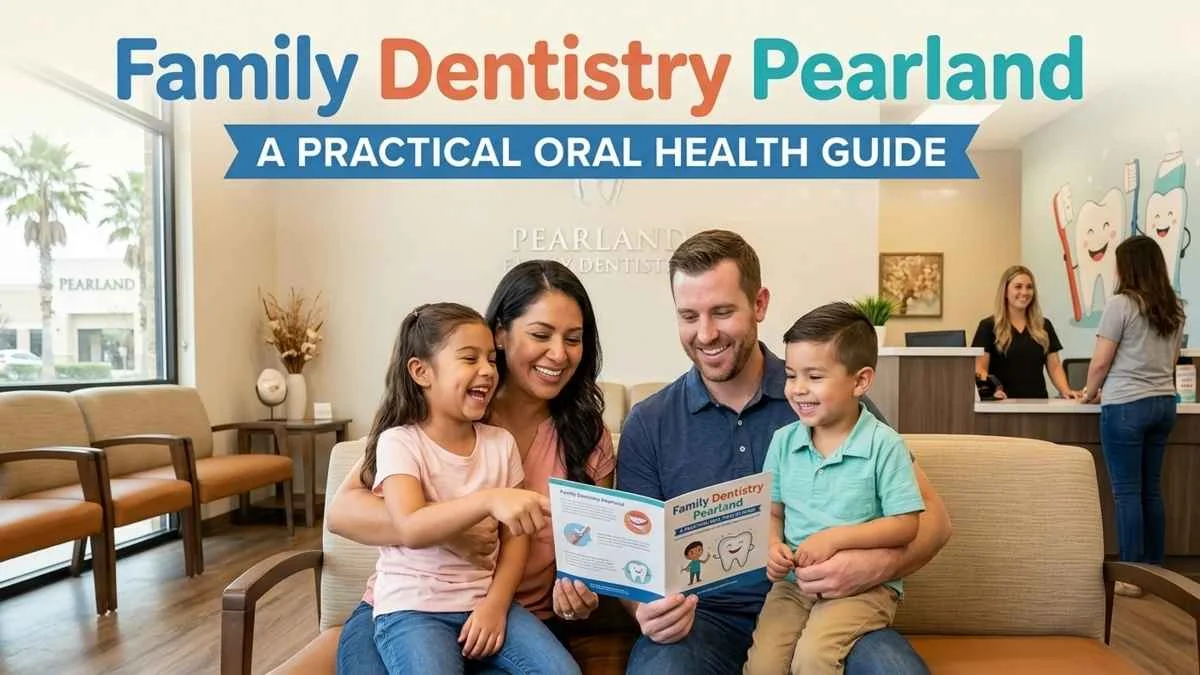
When families settle in growing communities like Pearland or the greater Houston area, they often focus on schools, neighborhoods, and healthcare providers that can support long-term well-being. Oral health is an important part of that decision-making process. Many individuals begin their search with a trusted Pearland Dental Clinic because continuity in dental care helps detect small concerns before they develop into complex problems. Preventive dentistry is not simply about avoiding cavities; it supports confidence, comfort, and overall health across every stage of life.
Unlike reactive treatment that begins only after pain or discomfort appears, modern family dentistry emphasizes observation over time. Dentists often notice subtle patterns that patients may not detect themselves, such as gradual enamel wear caused by nighttime grinding or minor gum inflammation linked to lifestyle habits. Identifying these trends early allows patients to make small adjustments that prevent larger interventions later.
Table of Contents
How Family Dentistry Creates Long-Term Health Stability
Family dentistry provides a consistent clinical environment in which dental records, imaging history, and oral health changes are tracked over time rather than at isolated visits. This continuity can be especially valuable for children transitioning into adolescence or adults managing evolving oral health needs.
For example, a child who develops early enamel sensitivity may benefit from monitoring fluoride exposure and dietary habits over several years. Similarly, adults experiencing mild gum inflammation may prevent periodontal complications through early hygiene adjustments rather than advanced procedures.
Dentists who treat multiple members of the same household often observe shared lifestyle patterns, such as dietary habits or oral hygiene routines, allowing them to provide more tailored preventive guidance.
Preventive Dentistry as a Risk-Reduction Strategy
Preventive care functions as a long-term risk management approach rather than a short-term fix. Regular examinations help identify:
- early-stage enamel demineralization
- minor bite irregularities that may cause uneven tooth wear
- gum tissue sensitivity linked to brushing technique
- plaque accumulation patterns that indicate flossing gaps
- dry mouth symptoms associated with stress or medication use
Addressing these subtle indicators early can reduce the likelihood of restorative treatments such as crowns or root canal procedures.
Professional cleanings also remove hardened plaque deposits that cannot be eliminated through home care alone. Over time, reducing plaque accumulation lowers the probability of gum recession and bone loss.
Lifestyle Factors That Influence Oral Health
Oral health is closely connected to daily habits that extend beyond brushing and flossing. Patients often underestimate how routine behaviors influence enamel strength and gum resilience.
Some less commonly discussed contributors include:
Frequent snacking patterns
Even small amounts of carbohydrates consumed throughout the day may prolong acid exposure on enamel surfaces.
Mouth breathing
Often associated with allergies or nasal congestion, mouth breathing can reduce saliva flow, contributing to oral dryness.
Sports drinks and flavored water
Many beverages marketed as healthy contain mild acids that gradually soften enamel.
Stress-related clenching
Jaw tension during sleep or concentration may cause gradual wear of tooth surfaces.
Recognizing these patterns allows individuals to make targeted adjustments without drastic lifestyle changes.
Why Early Dental Familiarity Benefits Children
Children who become familiar with dental visits at an early age often develop greater confidence in healthcare environments overall. Consistent appointments allow dental professionals to observe developmental patterns, such as changes in spacing, jaw growth, and the progression of oral habits.
Preventive visits may also reduce the likelihood of emergency dental situations by identifying early warning signs such as weakened enamel or minor structural irregularities.
Parents frequently notice that children who observe positive dental experiences within the family are more likely to maintain consistent hygiene routines independently.
The Role of Communication in Patient-Centered Dentistry
Modern dental care increasingly emphasizes collaborative communication between patient and provider. Rather than simply recommending treatments, many dentists explain why oral health changes occur and how daily habits influence outcomes.
Practices such as Dept of Smiles often focus on helping patients understand:
- How plaque forms and hardens
- Why gum inflammation develops gradually
- How enamel responds to acidic exposure
- Why preventive visits reduce long-term costs
- How oral health connects with systemic wellness
This educational approach allows patients to make informed decisions aligned with their comfort level and health priorities.
Oral Health Patterns Across Different Life Stages
Each stage of life presents unique oral health considerations:
Young children
Monitoring tooth eruption patterns and early hygiene habits supports proper development.
Teenagers
Orthodontic evaluation and dietary awareness become increasingly relevant.
Adults
Stress management, dietary habits, and routine maintenance influence gum stability.
Older adults
Medication-related dry mouth and enamel wear may require individualized care approaches.
Recognizing these differences helps families adapt preventive strategies over time rather than relying on a single routine indefinitely.
Practical Ways Families Can Strengthen Preventive Habits
Small adjustments often create meaningful improvements in oral health outcomes:
- using a soft-bristled toothbrush to reduce gum irritation
- spacing acidic beverages away from brushing time
- maintaining hydration to support saliva production
- replacing toothbrushes after illness
- scheduling dental visits at consistent intervals
Consistency is often more influential than intensity when building sustainable oral care habits.
A Long-Term Perspective on Dental Wellness
Oral health is cumulative. Minor daily habits influence outcomes years later, often in ways that are not immediately visible. Preventive dentistry encourages individuals to view dental visits as part of a broader health routine rather than isolated appointments.
Families in Pearland and Houston increasingly recognize that proactive dental care supports not only physical health but also confidence in professional and social environments.
Conclusion
Family dentistry provides a structured, preventive approach to oral health that adapts to life stages. Through regular observation, patient education, and consistent hygiene practices, individuals can reduce the likelihood of complex dental concerns. By prioritizing early awareness and consistent routines, families can maintain stable oral health that supports overall well-being for years to come.





Lizard Pose: A Complete Guide to Form & Flexibility

Dermatologist: Why This Specialist Matters for Your Skin Health

How AI Is Reshaping the Way We Edit Video

Tech Etruesports: The Evolution of Competitive Gaming

Ceıvır: Traditional Turkish Dish with Rich Flavors

GNHUSTGames: The Ultimate Platform for Unblocked Games

Kraams: The Heart of Dutch Market Culture

Butterfly Position: How to Do Baddha Konasana Safely

Tissariss Textile Art: A Tradition of Cultural Weaving

Anna Archive: Free Shadow Library Search Engine

Bl_Faceless: Anonymous Digital Creators Redefining the Digital Space

Pepe Coin Overview: Inside the Meme Cryptocurrency Craze

Lotus Position (Padmasana): How to Do It Safely and Avoid Knee Pain

How to Prepare for a Gynaecology Appointment

RPDJAFUD: The Future of AI-Driven Cybersecurity and Automation
-
 GENERAL1 year ago
Christofle – For Those Who Dream of Family Heirloom Silver
-
SPORTS1 month ago
Discover the World of Football with Streameast: Watch Your Favorite Leagues and Tournaments
-
HOME IMPROVEMENT1 year ago
Spacious and Stylish 300cm Round Rugs: Elegant and Modern Designs for a Chic Home Decor
-
GENERAL8 months ago
Uncovering the World of кинокрадко: The Dark Side of Film Piracy