
YOGA
Pelvic Pilates Guide: Effective Reformer Exercises

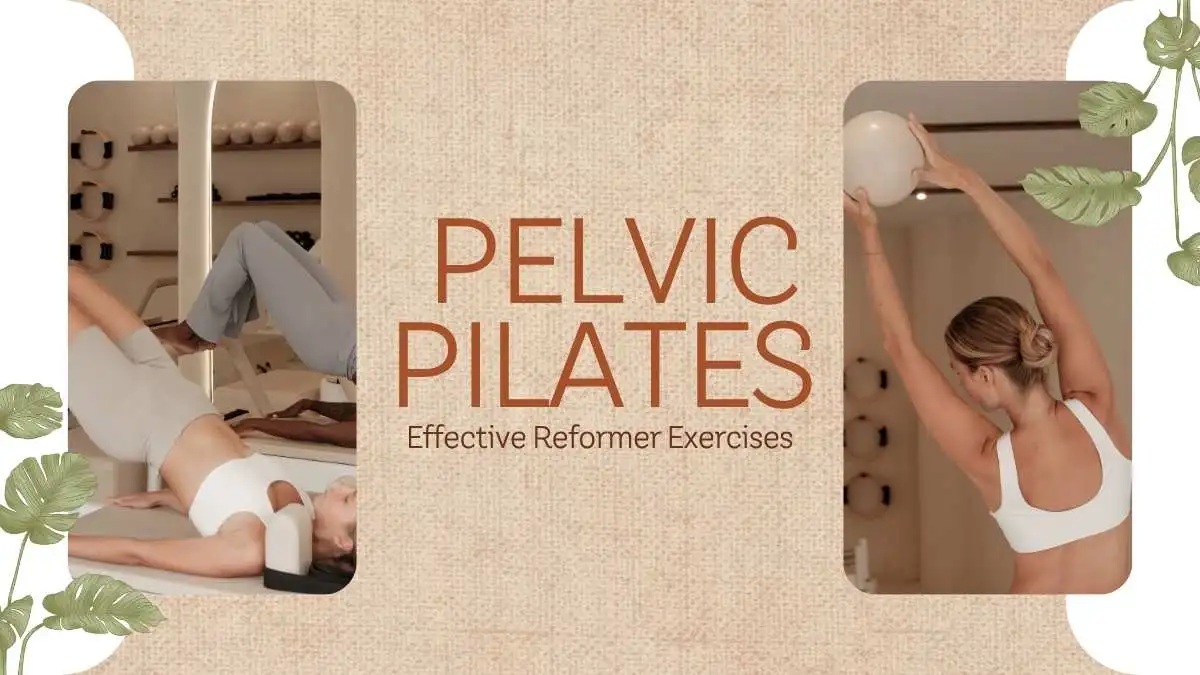
Pelvic Pilates and Pilates reformer workout routines have gained attention for their structured, evidence-informed approach to improving core stability, posture, flexibility, and overall functional movement. These exercise methods are grounded in principles of controlled movement, alignment, breathing coordination, and muscular balance. When practiced consistently and correctly, Pilates reformer exercises can support musculoskeletal health, enhance body awareness, and contribute to long-term physical wellbeing.
Table of Contents
Understanding Pelvic Pilates
Pelvic Pilates refers to targeted Pilates movements designed to strengthen and stabilize muscles surrounding the pelvis. These muscles include the pelvic floor, deep abdominal muscles, hip stabilizers, and lower back muscles. The pelvis plays a central role in body mechanics, linking upper- and lower-body movement. Proper pelvic stability can influence posture, balance, gait, and spinal alignment.
The pelvic floor consists of layers of muscles that support organs such as the bladder, intestines, and reproductive organs. Weakness or dysfunction in these muscles may contribute to discomfort, reduced stability, or functional challenges in everyday movement. Pilates aims to improve coordination between breathing, core engagement, and pelvic alignment.
Common goals of pelvic-focused training include:
- Enhancing neuromuscular coordination
- Supporting spinal alignment
- Improving posture and balance
- Promoting efficient movement patterns
- Supporting recovery after injury or physical strain
- Increasing body awareness
Pelvic stability is especially relevant for individuals with prolonged sitting, sedentary lifestyles, or repetitive strain.
What is a Pilates Reformer Workout?
A Pilates reformer workout is performed using a specialized exercise machine called the reformer. The reformer consists of a sliding carriage, adjustable springs, straps, and a footbar. These components provide controlled resistance, enabling a wide variety of exercises that target multiple muscle groups simultaneously.
The resistance system allows movements to be performed slowly and with precision, helping individuals develop strength without relying on momentum. The adjustable springs allow customization of intensity levels, making the reformer suitable for beginners, intermediate practitioners, and advanced users.
A typical Pilates reformer workout focuses on:
- Core strength
- Muscle endurance
- Flexibility
- Controlled breathing
- Movement efficiency
- Joint stability
Unlike high-impact training methods, reformer-based training emphasizes smooth transitions between movements. The controlled resistance can help reduce excessive joint stress while still providing effective muscular engagement.
Relationship Between Pelvic Stability and Core Strength
Pelvic stability and core strength are interconnected. The core is often described as a muscular system that includes the abdominal muscles, diaphragm, pelvic floor muscles, and spinal stabilizers. These muscle groups work together to support the spine and maintain postural control.
Pelvic Pilates training often incorporates breathing techniques that coordinate diaphragm movement with pelvic floor activation. This coordination can help improve intra-abdominal pressure regulation, which contributes to spinal stability during movement.
Key muscles involved in pilates include:
- Transversus abdominis
- Multifidus
- Pelvic floor muscles
- Gluteal muscles
- Hip flexors
- Oblique muscles
Balanced strength in these muscle groups may support better movement mechanics and reduce compensatory movement patterns.
Common Pilates Reformer Exercises for Pelvic Strength
Pilates reformer exercises can be adapted to emphasize pelvic stability and controlled movement. The following exercises are commonly incorporated into structured reformer programs:
1. Footwork on the Reformer
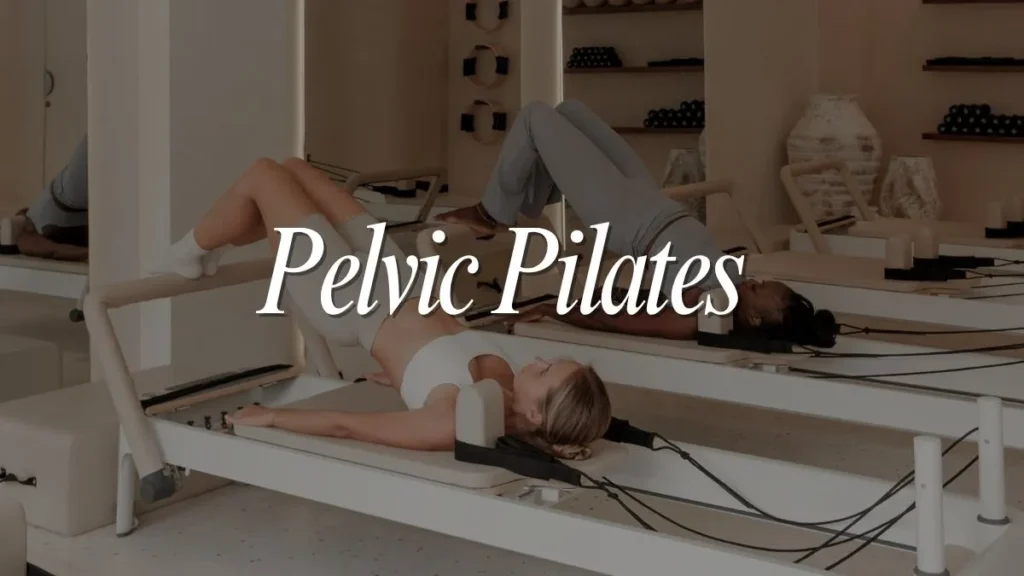
Footwork exercises are typically performed lying on the reformer carriage with feet placed on the footbar. This exercise activates the glutes, quadriceps, and pelvic stabilizers while promoting controlled lower-body alignment.
2. Pelvic Curl
The pelvic curl focuses on segmental spinal movement and pelvic control. The exercise encourages a gradual lifting of the spine from the carriage while maintaining core muscle engagement.
3. Leg Circles with Straps
Leg circles involve controlled hip movement while maintaining pelvic stability. The exercise challenges coordination and strengthens the deep stabilizing muscles surrounding the pelvis.
4. Bridge Variations
Bridge exercises activate posterior chain muscles, including glutes and hamstrings. Maintaining a neutral pelvis throughout the movement encourages balanced muscular engagement.
5. Knee Stretch Series
The knee stretch series integrates core strength with controlled limb movement. The exercise promotes coordination between abdominal muscles and pelvic stabilizers.
These exercises are often performed at a slow tempo with precise control, allowing individuals to focus on alignment and breathing.
Benefits of Pilates Reformer Workout for Functional Movement
A well-structured Pilates reformer workout can contribute to improved movement efficiency and muscular balance. Functional movement refers to the ability to perform everyday activities safely and effectively.
Potential benefits include:
- Improved posture awareness
- Increased flexibility and joint mobility
- Balanced muscle development
- Enhanced coordination
- Reduced muscular tension
- Greater control during dynamic movement
Because reformer exercises can be modified, they are often used in both general fitness settings and structured rehabilitation programs.
Importance of Technique and Alignment
Correct technique is a central component of pelvic Pilates training. Exercises are typically performed with careful attention to spinal alignment, pelvic positioning, and breathing patterns.
Neutral pelvic alignment is often emphasized. Neutral alignment refers to maintaining the natural curvature of the spine without excessive pelvic tilt. This position allows muscles to function efficiently without excessive strain.
Key technique principles include:
- Controlled breathing patterns
- Gradual progression of difficulty
- Maintaining joint alignment
- Avoiding excessive muscular tension
- Focusing on the quality of movement rather than repetition speed
Learning exercises under guidance from qualified professionals may help ensure safe and effective practice.
Who Can Benefit from Pelvic Pilates?
Pelvic Pilates and Pilates reformer exercises can be suitable for a wide range of individuals. Exercise programs can often be adapted according to fitness level, physical condition, and individual goals.
Groups that may benefit include:
- Individuals seeking low-impact strengthening methods
- People aiming to improve posture
- Individuals with sedentary work routines
- Athletes seeking improved core stability
- Adults interested in flexibility and balance training
- Individuals focusing on controlled movement practices
Because exercises can be modified, intensity levels can be gradually increased as strength and coordination improve.
Integrating Pilates Reformer Exercises into a Routine
Consistency plays a key role in achieving long-term benefits from pelvic Pilates training. Exercise frequency may vary depending on individual goals and physical condition.
General recommendations often include:
- Practicing multiple times per week
- Allowing adequate recovery between sessions
- Combining reformer exercises with mobility training
- Monitoring posture during daily activities
- Gradually progressing resistance levels
Balanced exercise routines may also incorporate cardiovascular activity, mobility exercises, and strength training.
Conclusion
Pelvic Pilates, Pilates reformer workout routines, and structured Pilates reformer exercises provide a systematic approach to improving core stability, posture, and movement control. By emphasizing precision, alignment, and breathing coordination, these exercise methods support functional strength development without excessive joint strain.
Through consistent practice and appropriate progression, individuals may develop improved body awareness, muscular balance, and movement efficiency. When guided by evidence-informed exercise principles, pelvic-focused Pilates training can contribute to long-term musculoskeletal health and overall physical wellbeing.



What Is Etail? Meaning, Models, Benefits & Examples

Peace of Mind, Guaranteed: How Palm Beach Protects Your Property from Wildlife

Walking Yoga: A Blend of Movement and Mindfulness

Sumosearch: AI-Driven Search Engine

Sodziu: Heart of Traditional Lithuanian Countryside

Recyclatanteil: Measuring the Share of Recycled Material

Exploring the Eight Limbs of Yoga

Wellhealthorganic Buffalo Milk Tag: A Nutrient-Rich Choice

Sowix Online: Simplify Project Management

Helonium Explained: Formula, Chemistry, Uses & HeH⁺

Acamento: The Artful Science of Finishing with Purpose

Aura Farming: The Viral Slang Shaping Digital Identity

SoSoActive: Lifestyle & Culture for Millennials & Gen Z

Prasarita Padottanasana: How to Do It Correctly

From Webinar Recordings to Social Clips with Video Cutter AI
-
 GENERAL1 year ago
Christofle – For Those Who Dream of Family Heirloom Silver
-
SPORTS2 months ago
Discover the World of Football with Streameast: Watch Your Favorite Leagues and Tournaments
-
HOME IMPROVEMENT2 years ago
Spacious and Stylish 300cm Round Rugs: Elegant and Modern Designs for a Chic Home Decor
-
GENERAL9 months ago
Uncovering the World of кинокрадко: The Dark Side of Film Piracy