HEALTH AND FITNESS
GLP-1 Medications vs. Traditional Weight Loss: What Athletes and Active People Should Know

For decades, the formula for weight loss in fitness circles was straightforward: eat in a calorie deficit, train consistently, and stay patient. While these principles remain effective, GLP-1 medications have introduced a new option for people looking to lose weight more efficiently. For athletes and active individuals, understanding how these medications compare with traditional weight-loss strategies is essential for protecting performance, muscle mass, and long-term health.
Table of Contents
How Traditional Weight Loss Works
Traditional weight loss relies on creating a calorie deficit through nutrition and exercise. Most athletes achieve this through:
- Structured meal planning
- Tracking calorie intake
- Consistent resistance training
- Cardiovascular exercise
- Long-term habit development
The primary advantage of this approach is that it builds sustainable skills and habits that support weight maintenance over time. However, it can be challenging for people who struggle with persistent hunger or metabolic conditions.
How GLP-1 Medications Change Weight Loss
GLP-1 medications help reduce appetite and slow digestion, making it easier to maintain a calorie deficit without constant hunger. For many individuals, this significantly improves adherence to a weight-loss plan.
However, these benefits come with additional considerations:
- Reduced calorie intake may impact training energy levels.
- Lean muscle mass can decrease without adequate protein and strength training.
- Long-term habits may require more intentional development.
Because of these factors, athletes often need a more structured approach when incorporating GLP-1 therapy into their fitness journey.
Athletic Performance and Training Considerations
Athletes have different priorities than the average weight-loss patient. Performance, recovery, and muscle retention are often just as important as reducing body fat.
Traditional Dieting Advantages
Traditional weight loss allows athletes to:
- Adjust calorie intake around training sessions
- Support performance during intense workouts
- Maintain greater control over energy availability
GLP-1 Therapy Challenges
Because appetite suppression remains consistent throughout the day, athletes may find it harder to consume enough calories and protein to support recovery and muscle growth.
This is why many coaches recommend prioritizing:
- High-protein meals
- Resistance training
- Recovery-focused nutrition
- Strength monitoring
Speed of Weight Loss
One of the biggest differences between these approaches is the rate of weight loss.
Traditional programs often result in gradual weight reduction, typically around 0.5% to 1% of body weight per week.
GLP-1 medications can produce significantly faster results. While this may be beneficial for individuals with substantial weight-loss goals, faster weight reduction can also increase the risk of losing lean muscle tissue if proper nutrition and training are not maintained.
Long-Term Sustainability
Traditional weight-loss methods focus heavily on behavioral change. Individuals learn portion control, meal planning, and sustainable eating habits that remain useful long after the diet ends.
GLP-1 medications can be highly effective, but some individuals experience increased appetite after stopping treatment. This makes habit development equally important for maintaining long-term results.
The Growing Interest in New GLP-1 Compounds
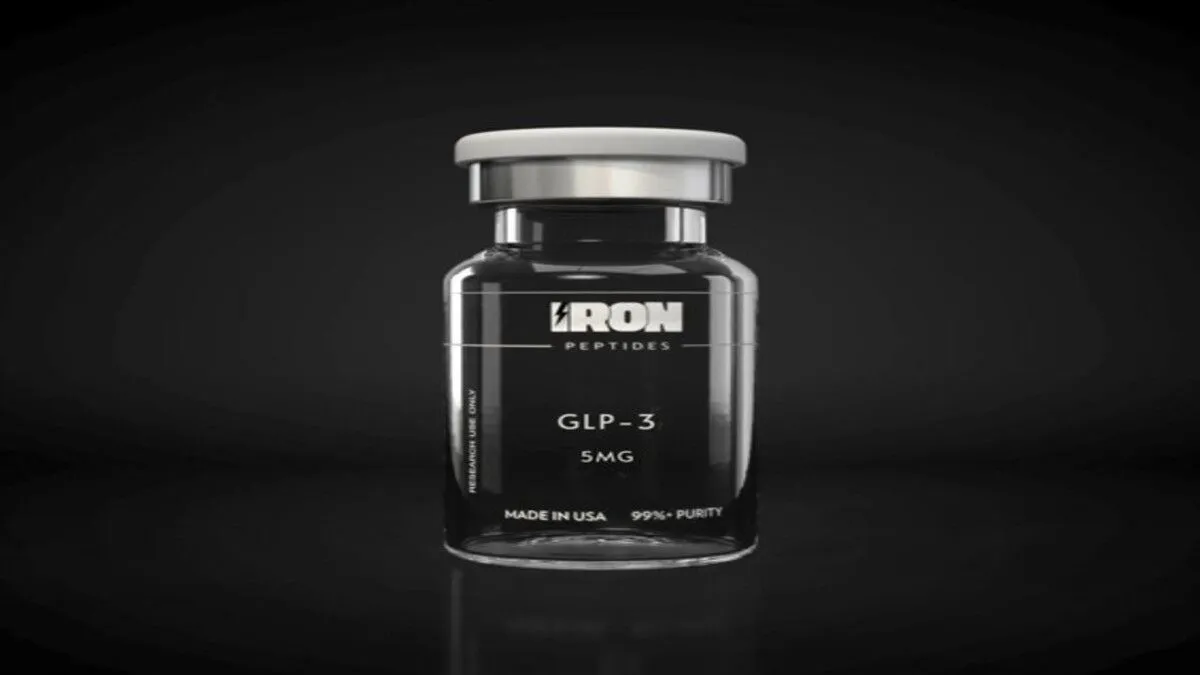
As weight-loss science evolves, attention is increasingly turning toward newer compounds such as retatrutide. Many people research advanced weight-management solutions search online for terms like buy reta glp 3, buy reta glp 3 online, reta glp 3, and glp 3 reta to learn more about emerging options in this category.
While early research has generated significant interest, these therapies continue to be studied, and more long-term data is needed regarding athletic performance, muscle preservation, and overall health outcomes. Individuals should always consult qualified healthcare professionals before considering any treatment option.
Combining Both Approaches
For many active individuals, the most effective strategy is not choosing one approach over the other. Instead, combining evidence-based fitness practices with medically supervised weight-loss interventions can provide the best results.
Key principles include:
- Prioritizing protein intake
- Following a structured resistance-training program
- Tracking performance metrics
- Building sustainable nutrition habits
- Working closely with healthcare professionals
Final Thoughts
GLP-1 medications and traditional weight-loss methods are not direct competitors. Each serves a different purpose and may be appropriate depending on an individual’s goals, health status, and lifestyle.
Traditional dieting excels at building sustainable habits and preserving performance, while GLP-1 therapies can help overcome significant appetite-related barriers to weight loss. For athletes and active individuals, success often comes from combining the strengths of both approaches while maintaining a strong focus on muscle retention, recovery, and long-term health. As interest continues to grow around advanced therapies such as buy reta glp 3 and reta glp 3, informed decision-making and professional guidance remain critical for achieving safe and sustainable results.


What a Transparent Chiropractic Fee Structure Covers

What Is a Medical Pedicure? Why Podiatrist Foot Care Matters Most

Bebasinindo: Championing Freedom in Indonesia

Ankwave: Future of Connectivity with Energy-Efficient Solutions

Afruimwagens: Efficient Mobile Carts for Workspaces

Understanding Formula 1 Standings and Championship Rankings

Do Cats Fart? A Scientific and Behavioral Look at Feline Gas

Hatha Yoga: Balancing Body, Mind, and Energy

Wave_of_Happy_: Cultivating a Positive Mindset for Lasting Joy

Gamer Challenger: Definition, Role, and Competitive Focus

Slope Unblocked: Free Online 3D Ball Running Game

Brand Name Normalization Rules: A Complete Practical Guide

Veneajelu: The Finnish Art of Peaceful Summer Boating

The Journey of iamnobody89757: From Anonymous User to Internet Sensation

Adsy.pw/hb3: The Future of High-Impact Digital Advertising
-
 GENERAL1 year ago
Christofle – For Those Who Dream of Family Heirloom Silver
-
GENERAL9 months ago
Uncovering the World of кинокрадко: The Dark Side of Film Piracy
-
SPORTS2 months ago
Discover the World of Football with Streameast: Watch Your Favorite Leagues and Tournaments
-
HOME IMPROVEMENT2 years ago
Spacious and Stylish 300cm Round Rugs: Elegant and Modern Designs for a Chic Home Decor