
HEALTH AND FITNESS
Choosing an Orthopaedic Clinic in Singapore: Factors to Consider

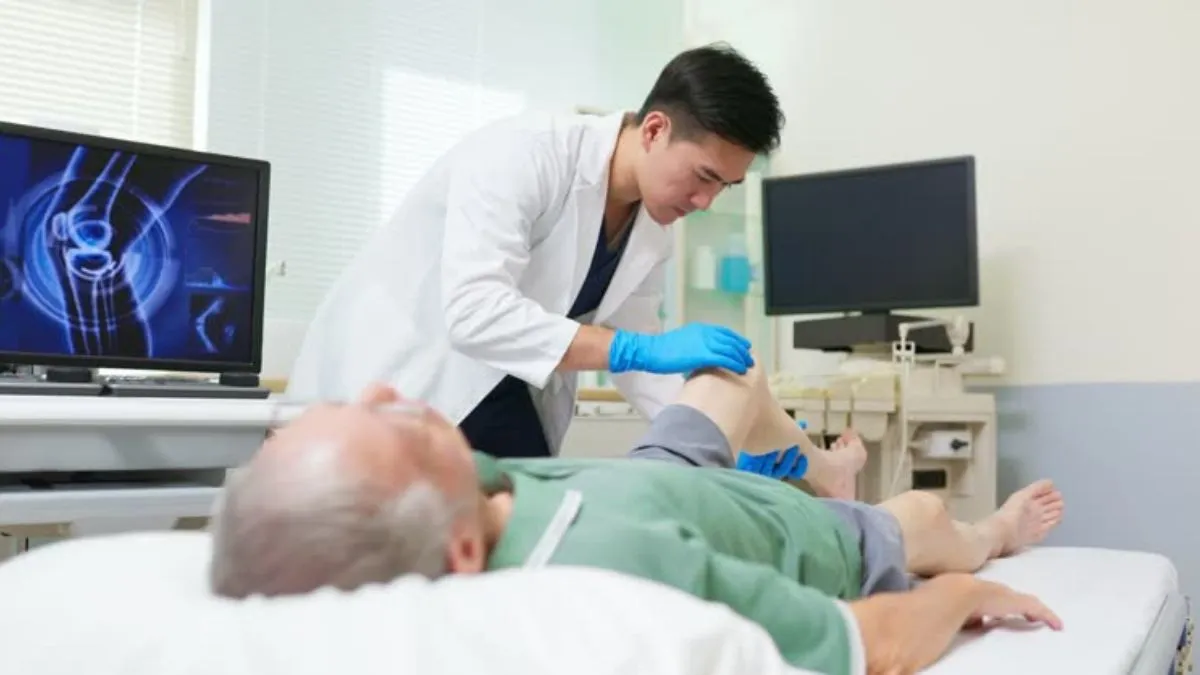
Choosing an orthopaedic clinic can feel difficult, especially when pain affects daily life, walking, sleep, work or sport. Some patients may be looking for help with knee pain, hip pain, shoulder pain, foot and ankle problems or sports injuries. Others may need assessment for fracture, ligament tear, arthritis or long-term joint pain.
An orthopaedic clinic should be able to assess musculoskeletal problems, explain the likely cause and guide patients through suitable treatment options. This may include non-surgical care, imaging tests, physiotherapy, injections or surgery in selected cases.
Table of Contents
What Does an Orthopaedic Clinic Do?
An orthopaedic clinic assesses and manages conditions affecting bones, joints, muscles, ligaments, tendons and cartilage. These structures help the body move, bear weight and stay stable.
Patients may visit an orthopaedic clinic for:
- Knee, hip, shoulder, elbow, wrist, foot or ankle pain
- Sports injuries
- Fractures and dislocations
- Ligament injuries, such as ACL tears
- Meniscus or cartilage injuries
- Arthritis and joint stiffness
- Tendon injuries
- Back or neck-related movement issues
- Pain after falls or accidents
- Recovery after orthopaedic surgery
Not every orthopaedic condition needs surgery. Many patients can start with non-surgical treatment such as medication, physiotherapy, activity changes, braces or injections, depending on the diagnosis.
Why Does Choosing the Right Clinic Matter?
The clinic you choose can affect how clearly your condition is assessed, how treatment options are explained and how recovery is planned. Orthopaedic problems can sometimes have similar symptoms. For example, knee pain may be caused by arthritis, a meniscus tear, ligament injury, tendon irritation or kneecap-related pain.
A careful assessment helps patients understand:
- What may be causing the pain
- Whether scans or tests are needed
- Whether the condition is mild, moderate or serious
- Whether non-surgical treatment can be tried first
- When surgery may be considered
- What recovery may involve
- What warning signs should not be ignored
The goal is to support informed decisions, not to rush into treatment.
What Factors Should Patients Consider?
1. Doctor’s Registration and Specialist Credentials
In Singapore, patients can check whether a doctor is registered through official healthcare professional search tools. For specialist care, patients may also check whether the doctor is registered under the relevant specialty.
This matters because orthopaedic conditions can range from simple sprains to complex joint, bones and sports injuries. A doctor’s training, registration and area of clinical practice can help patients understand whether the clinic is suitable for their condition.
Patients may consider checking:
- Whether the doctor is registered in Singapore
- Whether the doctor is listed as a specialist, where relevant
- The doctor’s area of orthopaedic practice
- Whether the doctor commonly manages the condition of concern
- Whether the clinic provides clear information about the doctor’s qualifications
This should be viewed as part of the decision-making process, together with the patient’s symptoms, needs and treatment goals.
2. Experience With Your Specific Condition
Orthopaedics covers many areas, including knee, hip, shoulder, spine, hand, foot and ankle, trauma and sports injuries. Some clinics may focus more on certain conditions or procedures.
For example, a patient with shoulder pain may want to know whether the clinic commonly assesses rotator cuff injuries or frozen shoulder. A patient with knee instability may ask whether ACL or meniscus injuries are part of the clinic’s regular scope of care.
Useful questions include:
- Does the clinic assess my type of pain or injury?
- Does the doctor manage both non-surgical and surgical treatment options?
- Are sports injuries, arthritis or fractures commonly assessed?
- What tests may be needed to confirm the diagnosis?
- What happens if physiotherapy or non-surgical care is suitable?
Patients do not need to know the exact diagnosis before booking. However, it helps to choose a clinic that clearly describes its orthopaedic services.
3. Clear Consultation and Assessment Process
A good consultation should help patients understand their condition in clear terms. The doctor will usually ask about symptoms, medical history, activity level and any injury that may have triggered the pain.
The assessment may include:
- Discussion of symptoms and pain patterns
- Physical examination
- Review of previous scans or reports
- Assessment of movement, strength and stability
- Advice on whether imaging is needed
- Explanation of treatment options
- Discussion of expected recovery
Patients should feel able to ask questions. Medical terms should be explained in a way that is easy to understand.
4. Access to Imaging and Diagnostic Tests
Some orthopaedic conditions can be diagnosed through history and physical examination. Others may need imaging tests.
Common tests may include:
- X-rays to check bones, fractures, arthritis or alignment
- MRI scans to assess ligaments, cartilage, tendons and soft tissues
- Ultrasound for selected tendon or soft tissue problems
- CT scans for complex bone injuries or detailed bone assessment
- Blood tests when infection, gout or inflammatory conditions are suspected
A clinic should be able to explain why a test is needed, what it may show and how the result may affect treatment planning.
5. Non-Surgical Treatment Options
Surgery is not always the first step. Many bone, joint and muscle problems can be managed with non-surgical care, especially when diagnosed early.
Non-surgical treatment may include:
- Activity changes
- Medication, if suitable
- Physiotherapy
- Bracing, splints or walking aids
- Shoe inserts or orthotics
- Injections in selected cases
- Weight management advice, where relevant
- Gradual return-to-activity planning
Patients may wish to ask whether non-surgical care is appropriate for their condition before discussing surgery.
6. Rehabilitation and Physiotherapy Support
Rehabilitation is an important part of recovery after many orthopaedic conditions. It may be needed after surgery, fractures, sports injuries, sprains, tendon problems or long-term joint pain.
Physiotherapy may help with:
- Pain control
- Movement
- Strength
- Balance
- Walking pattern
- Return to sport
- Return to work
- Injury prevention
Patients should ask how rehabilitation will be planned and whether the doctor works with physiotherapists where needed. This is especially important after procedures such as ACL reconstruction, meniscus surgery, rotator cuff repair, fracture fixation or joint replacement.
7. Communication and Shared Decision-Making
Patients should be given time to understand their diagnosis and treatment options. A clinic should explain the benefits, risks and limitations of each option.
Helpful questions to ask include:
- What is the likely diagnosis?
- What are the treatment options?
- Can I try non-surgical care first?
- What are the risks of delaying treatment?
- What are the risks and benefits of surgery?
- How long is the expected recovery?
- What happens if symptoms return?
- What warning signs should I watch for?
Shared decision-making helps patients choose treatment based on symptoms, lifestyle, medical needs and personal goals.
8. Cost Transparency and Financial Counselling
Healthcare costs in Singapore can vary depending on whether treatment is done in a public or private setting, whether surgery is needed, what tests are required and whether hospital admission is involved.
Patients may ask about:
- Consultation fees
- Imaging costs
- Procedure or surgery fees
- Anaesthesia fees, if applicable
- Hospital charges, if admission is needed
- Implant or consumable costs
- Medication costs
- Physiotherapy or rehabilitation costs
- Insurance, MediSave or subsidy matters, where relevant
9. Location and Practical Access
Convenience should not be the only factor, but it can affect follow-up care. Orthopaedic treatment may require more than one visit, especially if the patient needs scans, rehabilitation or post-surgery review.
Patients may consider:
- Clinic location
- Appointment availability
- Access to nearby imaging or hospital facilities
- Follow-up process
- Waiting time
- Ease of communication with the clinic
- Whether the clinic is accessible for patients using walking aids
For patients with pain while walking, stairs or transport needs may also matter.
10. Emergency and Follow-Up Guidance
Some orthopaedic conditions need urgent care. A clinic should be able to explain when symptoms should be treated as urgent and what patients should do if symptoms worsen.
Patients should seek urgent care for:
- Severe pain after injury
- Visible deformity
- Suspected fracture or dislocation
- Inability to bear weight
- Numbness or weakness
- Cold or pale skin below the injury
- Fever with joint redness and swelling
- Worsening wound changes after surgery
- Chest pain or shortness of breath after surgery
Patients should also understand how follow-up appointments are scheduled and who to contact if recovery does not progress as expected.
Where Does HC Orthopaedic Surgery Fit Into the Decision Process?
When comparing clinics, patients may review the services, doctor profile, consultation process and follow-up care offered by different providers. For example, a patient may ask an orthopaedic doctor in Singapore at HC Orthopaedic Surgery about diagnosis, non-surgical treatment options, rehabilitation needs and when surgery may or may not be considered.
This type of discussion can help patients better understand their condition and make informed decisions based on symptoms, activity level, medical history and recovery goals.
What Should You Prepare Before Visiting an Orthopaedic Clinic?
Preparing for the appointment can make the consultation more useful.
Bring or prepare:
- A short timeline of symptoms
- Details of how the injury happened, if any
- Previous X-rays, MRI scans or reports
- A list of medications and supplements
- Medical history, including diabetes, gout or arthritis
- Previous surgeries or injuries
- Questions about treatment and recovery
- Insurance information, if relevant
It may also help to wear clothing that allows the affected area to be examined. For example, shorts may be useful for knee, hip, foot or ankle pain.
Choosing an orthopaedic clinic in Singapore involves more than location or appointment availability. Patients should consider the doctor’s registration, relevant orthopaedic experience, assessment process, access to imaging, treatment options, rehabilitation support, communication style and cost transparency.
The right clinic should help patients understand their condition, compare treatment choices and plan recovery safely. Asking clear questions during consultation can support informed decision-making and help patients feel more prepared for the next steps in care.
This article is for general information only and should not replace medical advice from a qualified healthcare professional.


What a Transparent Chiropractic Fee Structure Covers

What Is a Medical Pedicure? Why Podiatrist Foot Care Matters Most

Bebasinindo: Championing Freedom in Indonesia

Ankwave: Future of Connectivity with Energy-Efficient Solutions

Afruimwagens: Efficient Mobile Carts for Workspaces

Understanding Formula 1 Standings and Championship Rankings

Do Cats Fart? A Scientific and Behavioral Look at Feline Gas

Hatha Yoga: Balancing Body, Mind, and Energy

Wave_of_Happy_: Cultivating a Positive Mindset for Lasting Joy

Gamer Challenger: Definition, Role, and Competitive Focus

Slope Unblocked: Free Online 3D Ball Running Game

Brand Name Normalization Rules: A Complete Practical Guide

Veneajelu: The Finnish Art of Peaceful Summer Boating

The Journey of iamnobody89757: From Anonymous User to Internet Sensation

Adsy.pw/hb3: The Future of High-Impact Digital Advertising
-
 GENERAL1 year ago
Christofle – For Those Who Dream of Family Heirloom Silver
-
GENERAL9 months ago
Uncovering the World of кинокрадко: The Dark Side of Film Piracy
-
SPORTS2 months ago
Discover the World of Football with Streameast: Watch Your Favorite Leagues and Tournaments
-
HOME IMPROVEMENT2 years ago
Spacious and Stylish 300cm Round Rugs: Elegant and Modern Designs for a Chic Home Decor