
HEALTH AND FITNESS
Navigating Pet Emergencies with 24-Hour Vet Care

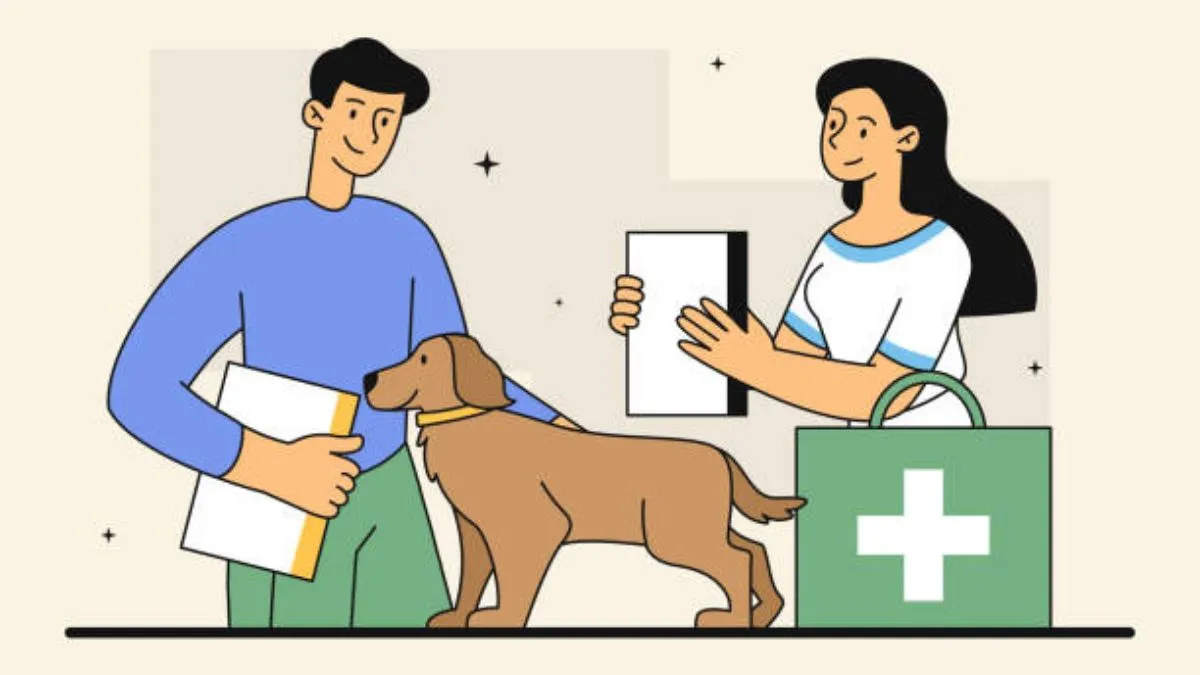
Pet emergencies can happen outside normal clinic hours. A dog may collapse late at night, a cat may struggle to pass urine on a public holiday, or a small animal may become weak after a sudden change in behaviour. In these situations, pet owners may need access to a vet beyond standard appointment hours.
Table of Contents
What 24-Hour Veterinary Care Means for Pet Owners
A 24-hour vet service refers to veterinary support that is available beyond usual clinic hours, including night-time, weekends, or public holidays depending on the clinic’s operating model. Some services may provide continuous on-site care, while others may operate with after-hours or on-call arrangements.
For pet owners, this can matter when a pet’s condition cannot safely wait for a routine appointment. In an emergency setting, the focus is usually on assessing the pet’s immediate condition, identifying urgent risks, and deciding what care is needed next.
Pet owners searching for a 24-hour vet Singapore may wish to check the clinic’s service information, contact details, operating hours, and emergency instructions before an urgent situation occurs.
How Emergency Veterinary Care Supports Decision-Making
During an emergency, owners may feel unsure whether a symptom is serious, whether the pet can wait, or whether travel to a clinic is needed. A 24-hour veterinary service can help by giving owners a point of contact when timing matters.
Emergency care may involve:
- Initial phone guidance where available
- Advice on whether immediate attendance is needed
- Triage when the pet arrives
- Physical examination by a veterinary doctor
- Stabilisation for pets in distress
- Diagnostic testing where appropriate
- Discussion of treatment options
- Monitoring during hospitalisation if needed
- Discharge instructions or follow-up planning
The exact steps depend on the pet’s condition, clinic facilities, and the owner’s consent.
The Role of Triage in a 24-Hour Vet Setting
Triage is commonly used in emergency care to assess which patients need urgent attention. A pet with breathing difficulty, collapse, uncontrolled bleeding, seizure, or severe weakness may need immediate assessment. A stable pet with a less urgent concern may be asked to wait if another patient is in a critical condition.
This process helps the veterinary team prioritise care based on clinical urgency. Pet owners should tell the clinic team if the pet’s breathing, colour, alertness, pain level, or ability to stand changes while waiting.
When a Pet May Need an Emergency Vet
Pet owners should contact an emergency vet if a pet shows sudden, severe, or worsening symptoms. These may include:
- Breathing difficulty
- Blue, white, or very pale gums
- Collapse or loss of consciousness
- Repeated or prolonged seizures
- Major injury or fall
- Road traffic accident
- Uncontrolled bleeding
- Suspected poisoning
- Repeated vomiting or diarrhoea with weakness
- Inability to pass urine
- Severe abdominal swelling or repeated retching
- Eye injury
- Sudden paralysis or inability to walk
- Signs of severe pain
These signs do not confirm a diagnosis. They are reasons to seek veterinary guidance promptly.
What Happens When a Pet Arrives for Emergency Care?
When a pet arrives at an emergency vet in Singapore, the team may first assess breathing, circulation, alertness, temperature, pain, and other vital signs. If the pet appears unstable, stabilisation may be discussed before a full consultation can continue.
Stabilisation may include oxygen support, fluid therapy, pain relief, seizure control, warming or cooling support, wound care, or other measures depending on the condition. The veterinary doctor may then discuss diagnostic tests, treatment choices, hospitalisation, or transfer to another service if needed.
Pet owners may be asked for details such as:
- The pet’s age, breed, and weight
- The main symptom and when it started
- Current medications
- Known medical conditions
- Vaccination status
- Possible toxin exposure
- Recent injury or travel
- Eating, drinking, urination, and stool changes
How 24-Hour Veterinary Care Helps During Night-Time Emergencies
Night-time emergencies can be stressful because routine clinics may be closed, and symptoms may worsen while owners are waiting for the next day. A 24-hour vet service can provide an option for assessment when a pet’s condition appears urgent.
This can be relevant for symptoms such as breathing difficulty, sudden collapse, suspected poisoning, urinary blockage, seizure, trauma, or severe pain. In these cases, waiting until morning may not be suitable.
How 24-Hour Veterinary Care Supports Hospitalised Pets
Some pets may need to stay at the clinic or hospital for observation and treatment. Hospitalisation may be recommended when the pet needs monitoring, medication, fluid therapy, oxygen support, wound care, post-surgical care, or repeated checks.
A 24-hour setting may allow the team to monitor changes during the night. This can be useful for pets with unstable breathing, dehydration, serious infection, trauma, toxin exposure, seizures, or recovery after emergency treatment.
Owners should ask how updates will be given, who the main contact person should be, what the estimated costs include, and what signs will determine whether the pet can go home.
Why Calling Ahead Can Be Useful
If safe to do so, calling before arrival can help the veterinary team understand the situation. The clinic may ask about symptoms, timing, the pet’s size, possible toxin exposure, and whether the pet is conscious, breathing, or bleeding.
Calling ahead may also help owners receive transport guidance. For example, a pet with a possible spinal injury may need careful movement, while a pet with breathing distress may need a calm and direct journey.
How Pet Owners Can Prepare Before an Emergency Occurs
Emergency planning can make urgent situations easier to manage. Pet owners may prepare by keeping the following information accessible:
- Usual vet clinic contact details
- 24-hour vet contact details
- Pet’s vaccination and medical records
- Current medication list
- Microchip or licence information where relevant
- Transport carrier, leash, towel, or muzzle if appropriate
- Emergency transport plan
- Details of any known allergies or chronic conditions
Pet owners may also store a short note on the pet’s usual diet, weight, and medical history. This can be useful if another family member needs to bring the pet to the clinic.
Emergency Vet Care and Follow-Up with a Regular Vet
A 24-hour vet may manage the immediate emergency and provide initial treatment. After the urgent phase, the pet may need follow-up care, repeat testing, medication checks, wound reviews, or ongoing management with a regular vet.
Follow-up is important because some conditions require continued observation after the pet leaves the emergency setting. Owners should keep discharge instructions and share them with the regular vet where appropriate.
Choosing a 24-Hour Vet in Singapore
When choosing a vet in Singapore for urgent situations, owners may consider whether the clinic provides after-hours contact, emergency assessment, hospitalisation, diagnostic support, and clear instructions for arrival.
The suitability of a 24-hour vet Singapore service depends on the pet’s condition and the care required. Some cases may be managed in an emergency clinic, while others may require referral, continued monitoring, or care from a veterinary team with specific facilities.
Pet owners should check the clinic’s operating hours and emergency contact process before an urgent situation occurs, as availability and service arrangements may differ between providers.
A pet emergency can be difficult to manage, especially when it happens after usual clinic hours. A 24-hour vet service can support pet owners by providing an access point for urgent assessment, triage, stabilisation, monitoring, and guidance on next steps.
For pet owners in Singapore, knowing when to contact an emergency vet and keeping contact details ready can help them respond with less delay when urgent symptoms occur.


Bebasinindo: Championing Freedom in Indonesia

Ankwave: Future of Connectivity with Energy-Efficient Solutions

Afruimwagens: Efficient Mobile Carts for Workspaces

Understanding Formula 1 Standings and Championship Rankings

Do Cats Fart? A Scientific and Behavioral Look at Feline Gas

Hatha Yoga: Balancing Body, Mind, and Energy

Wave_of_Happy_: Cultivating a Positive Mindset for Lasting Joy

Gamer Challenger: Definition, Role, and Competitive Focus

Slope Unblocked: Free Online 3D Ball Running Game

Brand Name Normalization Rules: A Complete Practical Guide

Veneajelu: The Finnish Art of Peaceful Summer Boating

The Journey of iamnobody89757: From Anonymous User to Internet Sensation

Adsy.pw/hb3: The Future of High-Impact Digital Advertising

Soutaipasu: Understanding Relative Paths in Computing

Omaha, Nebraska Mental Health Routines for School, Work, and Changing Seasons
-
 GENERAL1 year ago
Christofle – For Those Who Dream of Family Heirloom Silver
-
GENERAL9 months ago
Uncovering the World of кинокрадко: The Dark Side of Film Piracy
-
SPORTS2 months ago
Discover the World of Football with Streameast: Watch Your Favorite Leagues and Tournaments
-
HOME IMPROVEMENT2 years ago
Spacious and Stylish 300cm Round Rugs: Elegant and Modern Designs for a Chic Home Decor