
HEALTH AND FITNESS
Yalla Choy: Nutritional and Versatile Leafy Green Vegetable

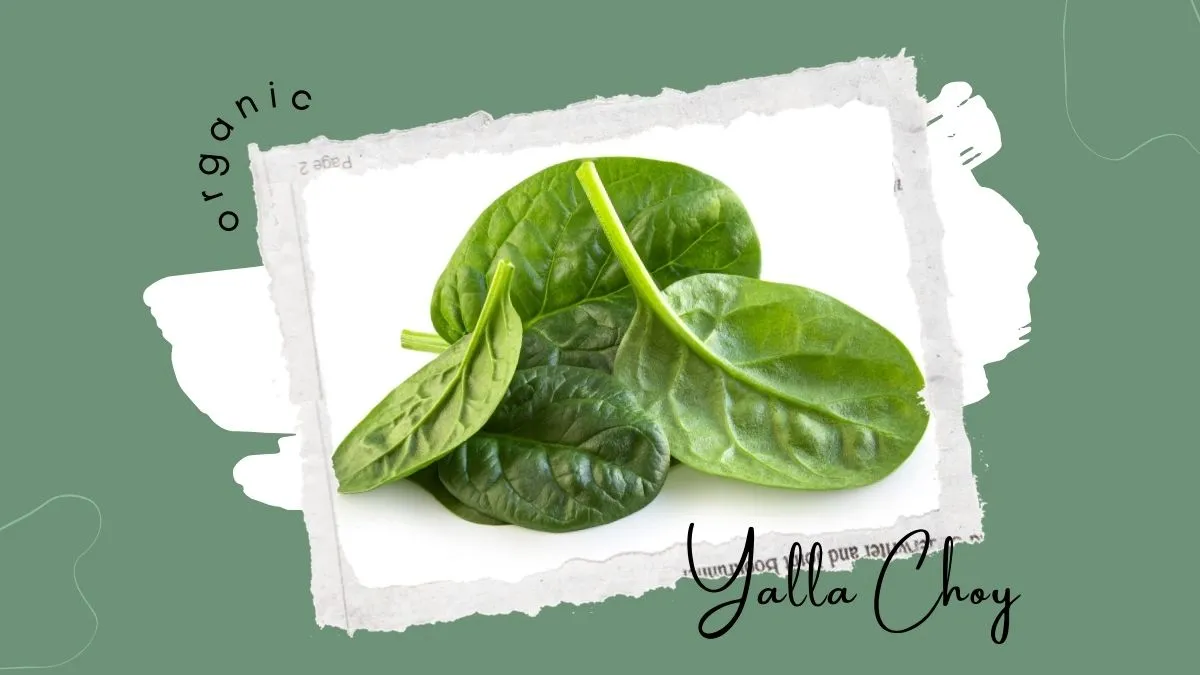
Yalla Choy, also known as water spinach or kangkong, is a widely used leafy green vegetable in Asian cuisines. Recognized for its tender leaves and slender stems, Yalla Choy offers a delicate texture and a mild, slightly sweet flavor, distinguishing it from more robust leafy greens like kale or collard greens. Its versatility in cooking, nutritional benefits, and cultural significance have made it a staple in many households across Southeast Asia, East Asia, and parts of South Asia.
Table of Contents
Botanical Characteristics and Growth
Yalla Choy belongs to the genus Ipomoea, the same family as sweet potatoes, and is botanically known as Ipomoea aquatica. It is a semi-aquatic plant that thrives in moist, tropical environments, often found along riverbanks, ponds, or flooded rice paddies. The plant exhibits rapid growth, with hollow stems that can root at the nodes when submerged in water. Its leaves are lance-shaped, soft, and tender, while its stems are hollow and crisp, providing a unique textural contrast in dishes.
The plant’s adaptability to both soil and water cultivation makes it a resilient crop suitable for warm-climate regions. Its growth cycle is relatively short, allowing for multiple harvests within a single growing season. This rapid growth, coupled with its high yield, has contributed to its popularity as a nutritious and easily accessible vegetable.
Culinary Uses and Preparation
Yalla Choy’s mild flavor and tender texture make it a versatile ingredient in various culinary traditions. In Southeast Asian cuisines, it is commonly stir-fried with garlic, chili, or fermented sauces, often accompanied by proteins such as shrimp, tofu, or pork. Its leaves and stems cook quickly, typically requiring only a few minutes of high-heat sautéing to maintain their natural crispness and vibrant green color.
Beyond stir-frying, water spinach can be incorporated into soups, curries, and salads. In Chinese cuisine, it is often blanched and dressed with oyster sauce or soy sauce, highlighting its natural sweetness without overpowering flavors. In Filipino and Thai dishes, it is sometimes combined with fermented bean pastes or coconut milk, adding depth to its subtle taste. The plant’s versatility also allows for steaming or boiling, making it suitable for both traditional and modern culinary applications.
Nutritional Profile
Yalla Choy is prized not only for its flavor but also for its nutritional benefits. It is rich in essential vitamins, minerals, and antioxidants, making it a valuable component of a balanced diet. Some of the key nutrients found in Yalla Choy include:
- Vitamin A: Important for vision, immune function, and skin health.
- Vitamin C: Supports immune health, collagen synthesis, and acts as an antioxidant.
- Iron: Essential for the formation of hemoglobin and overall energy metabolism.
- Calcium: Supports bone health and muscular function.
- Dietary Fiber: Promotes digestive health and contributes to satiety.
Additionally, water spinach contains flavonoids and other phytonutrients, which have been associated with anti-inflammatory and antioxidant properties. Its low-calorie content and high water content also make it a suitable option for those aiming to maintain a healthy weight.
Health Benefits
The consumption of Yalla Choy can provide several health benefits:
- Supports Cardiovascular Health: The vegetable’s high potassium and magnesium content help regulate blood pressure and support heart function.
- Enhances Digestive Health: Dietary fiber promotes healthy bowel movements and may reduce the risk of gastrointestinal disorders.
- Boosts Immunity: Vitamins A and C, along with antioxidants, strengthen the immune response and protect against cellular damage.
- Supports Bone Strength: Calcium and other minerals contribute to bone density and overall skeletal health.
While kangkong is generally safe for most individuals, excessive consumption of leafy greens high in oxalates may increase the risk of kidney stone formation in susceptible individuals. Cooking methods such as blanching can reduce oxalate content while preserving nutrients.
Cultural and Regional Significance
Yalla Choy holds a notable place in the culinary traditions of many Asian countries. In the Philippines, it is known as “kangkong” and is often featured in classic dishes such as adobo and sinigang. In Thailand and Vietnam, the vegetable is commonly stir-fried with garlic or added to soups and noodle dishes. In southern China, Yalla Choy is a popular home garden plant due to its rapid growth and adaptability to humid climates.
Its presence in traditional medicine also reflects its broader cultural importance. In certain regions, Yalla Choy is believed to have cooling properties, helping to balance body heat and support overall wellness. While these traditional uses are largely anecdotal, they highlight the vegetable’s integration into both dietary and medicinal practices over generations.
Sustainable and Practical Considerations
From an agricultural perspective, water spinach is highly sustainable. Its ability to grow in water-rich environments reduces the need for extensive soil management, and its rapid growth allows for efficient production. Urban farming initiatives and home gardens often cultivate Yalla Choy due to its minimal space requirements and adaptability to container or hydroponic systems.
Moreover, when properly managed, the plant’s resilience against pests and diseases reduces reliance on chemical pesticides. This makes Yalla Choy not only a nutritious choice but also an environmentally considerate one.
Culinary Tips for Maximizing Flavor and Nutrition
To preserve both the taste and nutrients of Yalla Choy, several culinary practices are recommended:
- Quick Cooking: Stir-fry or blanch for 2–4 minutes to retain crunch and color.
- Minimal Seasoning: Use garlic, ginger, or mild sauces to enhance flavor without overwhelming its natural taste.
- Avoid Overcooking: Extended cooking can lead to nutrient loss and a mushy texture.
- Pair with Proteins: Complementing water spinach with lean proteins enhances its nutritional value and makes for a balanced meal.
By following these techniques, home cooks and chefs can ensure that kangkong retains its appealing texture, flavor, and nutritional benefits.
Conclusion
Yalla Choy, also known as water spinach or kangkong, is more than just a leafy green vegetable. Its soft leaves, slender stems, mild flavor, and rich nutritional profile make it an adaptable ingredient in diverse culinary traditions. Beyond its taste, it offers significant health benefits, supports sustainable agriculture, and carries cultural significance across many Asian regions.
Whether incorporated into stir-fries, soups, or salads, Yalla Choy exemplifies the combination of flavor, nutrition, and versatility that makes leafy greens an essential component of a healthy diet. Its growing popularity outside traditional Asian cuisines further underscores its universal appeal as a nutritious, sustainable, and delicious vegetable.


How to Strengthen Ankles: Find the Weak Link, Then Train It

Bird of Paradise Yoga: How to Master the Pose Safely

What is Acroyoga? A Beginner’s Guide to Yoga, Acrobatics, and Partner Lifts

Happy Baby Pose: Benefits, Steps, and Tips for Beginners

What Is Standard Exterior Door Size? A Complete Homeowner’s Guide

Detoxify Your Body and Mind with Dragon Pose: A Step-by-Step Guide

Top 7 Dental Implant Providers in Maple Grove and Brooklyn Park, MN

Faibloh: AI-IoT-Blockchain Framework for Sustainable Growth

Sleep Apnea: The Silent Condition Disrupting Your Rest and Health

Book32: Best Online Platform for Self-Publishing and Book Lovers

How Respite Care Supports Independence & Wellbeing

7 Science-Backed Benefits of Pilates for Busy Professionals in Vancouver

Managed Vision Care: A Smarter Solution for Workplace Eyecare

Spinal Decompression at Home: What It Actually Does and Who It’s For

How Organic Rug Cleaning Can Support a Healthier Yoga Practice
-
 GENERAL1 year ago
Christofle – For Those Who Dream of Family Heirloom Silver
-
SPORTS3 weeks ago
Discover the World of Football with Streameast: Watch Your Favorite Leagues and Tournaments
-
HOME IMPROVEMENT1 year ago
Spacious and Stylish 300cm Round Rugs: Elegant and Modern Designs for a Chic Home Decor
-
GENERAL8 months ago
Uncovering the World of кинокрадко: The Dark Side of Film Piracy