
HEALTH AND FITNESS
When Should You Consider Lower Eyelid Surgery?

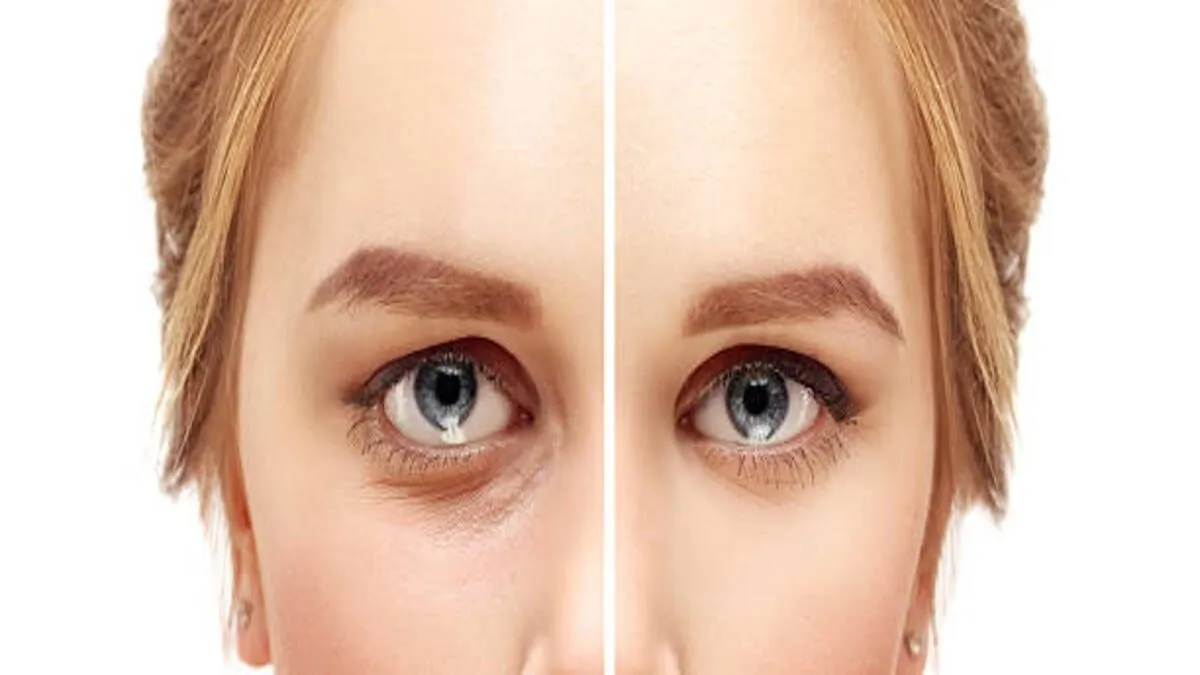
The area beneath the eyes is one of the first places where signs of ageing and facial changes may become noticeable. Concerns such as under-eye bags, puffiness and loose skin can make some people appear tired or older, even when they feel well-rested.
Lower eyelid surgery, also known as lower blepharoplasty, is a procedure that focuses on improving concerns affecting the lower eyelid area. It may be considered by patients who want to address changes caused by ageing, genetics or structural differences around the eyes.
However, lower eyelid surgery is not suitable for everyone with under-eye concerns. The decision depends on the cause of the issue, the patient’s anatomy, overall health and expected outcomes.
What Is Lower Eyelid Surgery?
Lower eyelid surgery is a procedure that aims to improve the appearance of the lower eyelid area by addressing concerns such as:
- Under-eye bags
- Excess skin
- Lower eyelid fullness
- Changes in the transition between the lower eyelid and cheek
Depending on the patient’s concerns, the procedure may involve:
- Removing excess skin
- Repositioning or adjusting fat deposits
- Improving lower eyelid contour
The goal is usually to create a smoother and more balanced appearance while maintaining natural eyelid function.
Why Do Patients Consider Lower Eyelid Surgery?
Patients consider lower eyelid surgery for different reasons. Some are concerned about visible signs of ageing, while others may have longstanding under-eye features that affect their facial appearance.
Common reasons include:
1. Persistent Under-Eye Bags
One of the most common reasons patients consider lower eyelid surgery is the presence of under-eye bags.
Under-eye bags may develop due to:
- Changes in fat position around the eyes
- Reduced skin elasticity
- Age-related tissue changes
- Genetics
Unlike temporary puffiness caused by lack of sleep or fluid retention, structural under-eye bags may remain even with adequate rest and lifestyle changes.
Lower eyelid surgery may be considered when under-eye fullness is caused by changes in the tissues beneath the eyelid.
2. Puffiness Under the Eyes That Does Not Improve
Some patients notice persistent puffiness beneath the eyes that does not improve with:
- Better sleep habits
- Skincare products
- Lifestyle adjustments
This may occur because the issue is related to underlying anatomy rather than temporary factors.
A consultation can help determine whether the puffiness is caused by:
- Fat protrusion
- Skin laxity
- Volume changes
- Other factors
3. Excess Lower Eyelid Skin
As skin loses elasticity over time, the lower eyelid area may develop:
- Loose skin
- Fine folds
- Wrinkling
- Changes in texture
Excess skin may contribute to an uneven or aged appearance around the eyes.
Lower eyelid surgery may help remove or adjust excess skin where appropriate.
4. A Tired-Looking Appearance
Some people feel that their appearance does not reflect how they feel internally.
Even with sufficient rest, changes around the lower eyelids may make someone appear:
- Tired
- Older
- Less refreshed
Patients may consider lower eyelid surgery to address structural factors contributing to this appearance.
5. Changes Due to Ageing
Ageing affects the delicate tissues around the eyes.
Common age-related changes include:
- Loss of skin firmness
- Fat redistribution
- Reduced support around the eyelids
- Changes in facial contours
Because the lower eyelid area is delicate, these changes may become noticeable over time.
Lower eyelid surgery may be considered as part of facial rejuvenation for patients who want to address specific structural changes.
6. Genetic Under-Eye Concerns
Not all lower eyelid concerns are caused by ageing.
Some people naturally have:
- Prominent under-eye bags
- Fuller lower eyelids
- Different fat distribution around the eyes
These features may appear from a younger age.
Patients with longstanding under-eye concerns may consider lower eyelid surgery if the appearance is affecting their confidence or facial balance.
7. Uneven Lower Eyelid Appearance
Some patients notice differences between their two lower eyelids.
Mild asymmetry is common, but more noticeable differences may occur due to:
- Natural anatomy
- Ageing changes
- Previous injuries
- Tissue changes
A plastic surgeon can assess whether surgery may help improve overall balance.
Eye Bags vs Dark Circles: Are They the Same?
Many people use the terms “eye bags” and “dark circles” interchangeably, but they are different concerns.
Eye Bags
Eye bags are usually related to:
- Fat protrusion
- Tissue changes
- Skin laxity
Lower eyelid surgery may help address structural eye bags.
Dark Circles
Dark circles may be caused by:
- Pigmentation
- Thin skin revealing blood vessels
- Shadowing from facial structure
- Genetics
- Lifestyle factors
Lower eyelid surgery may not completely eliminate all types of dark circles.
Understanding the cause of the concern is important when considering treatment options.
Who May Be Suitable for Lower Eyelid Surgery?
A suitable candidate may include someone who:
- Has concerns about under-eye bags or excess skin
- Is generally healthy
- Has realistic expectations
- Understands the limitations of surgery
- Wants improvement rather than perfection
During consultation, a plastic surgeon may assess:
- Lower eyelid structure
- Skin quality
- Fat distribution
- Facial proportions
- Eye health
- Medical history
When May Lower Eyelid Surgery Not Be the First Option?
Not every under-eye concern requires surgery.
Some concerns may be related to:
- Lack of sleep
- Allergies
- Temporary fluid retention
- Skin quality changes
- Volume loss
Depending on the cause, alternatives may include:
- Lifestyle adjustments
- Skincare treatments
- Non-surgical aesthetic procedures
A proper assessment helps determine the most suitable approach.
What Happens During a Lower Eyelid Surgery Consultation?
A consultation allows patients to understand whether surgery is appropriate.
The surgeon may discuss:
Your Concerns
Patients may explain:
- What they want to improve
- How long they have noticed the concern
- How it affects their appearance or confidence
Lower Eyelid Assessment
The surgeon may evaluate:
- Skin laxity
- Fat position
- Lower eyelid support
- Facial structure
- Symmetry
Treatment Options
The recommended approach may depend on the cause of the concern.
Options may include:
- Lower eyelid surgery
- Fat repositioning techniques
- Non-surgical treatments where appropriate
How Is Lower Eyelid Surgery Performed?
The surgical approach depends on the patient’s anatomy.
Traditional Lower Eyelid Surgery
This approach may involve an incision near the lower eyelid area.
The surgeon may address:
- Excess skin
- Fat deposits
- Lower eyelid contour
Transconjunctival Lower Eyelid Surgery
In some patients, the incision may be made inside the lower eyelid.
This approach may be suitable when the main concern is fat prominence without significant excess skin.
The appropriate technique depends on individual assessment.
Recovery After Lower Eyelid Surgery
Recovery varies between patients, but temporary changes are expected.
Patients may experience:
- Swelling
- Bruising
- Tightness
- Mild discomfort
- Dryness or irritation
Early Recovery
During the first few days, patients may need to:
- Follow aftercare instructions
- Manage swelling as advised
- Avoid activities that increase pressure around the eyes
First Few Weeks
As healing progresses:
- Bruising gradually improves
- Swelling reduces
- The eyelid area begins settling
Longer-Term Results
Results may take time as tissues continue healing and swelling resolves.
Risks and Considerations of Lower Eyelid Surgery
Like any surgical procedure, lower eyelid surgery has potential risks.
Possible risks include:
- Infection
- Bleeding
- Dry eyes
- Temporary irritation
- Asymmetry
- Scarring
- Changes in eyelid position
A consultation with a qualified plastic surgeon allows patients to understand the potential benefits and risks before deciding on surgery.
Factors to Consider Before Lower Eyelid Surgery
Before undergoing surgery, patients should consider:
1. Understanding the Cause of the Concern
The same appearance may have different causes. For example, under-eye fullness may be due to fat, skin laxity or facial structure.
2. Having Realistic Expectations
Lower eyelid surgery can improve specific concerns but cannot completely change facial features or stop ageing.
3. Planning for Recovery
Patients should consider:
- Time away from work
- Follow-up appointments
- Temporary activity restrictions
4. Choosing a Qualified Plastic Surgeon
Important factors include:
- Specialist qualifications
- Experience with eyelid procedures
- Surgical approach
- Communication style
- Patient safety practices
Choosing a Plastic Surgery Clinic for Lower Eyelid Surgery in Singapore
Patients considering lower eyelid surgery may wish to consult different plastic surgery clinics in Singapore to understand the available approaches and determine which option best suits their concerns.
For example, Astrid Plastic Surgery, headed by Dr Jonah Kua and Dr Chia Hui Ling, is one of the clinics patients may consider when seeking an assessment for blepharoplasty and discussing their eyelid-related concerns.
Lower eyelid surgery may be considered by patients who are concerned about persistent under-eye bags, excess skin, puffiness or age-related changes around the eyes.
However, the decision to undergo surgery should be based on an understanding of the underlying cause, expected outcomes and individual suitability. A consultation with a qualified plastic surgeon can help determine whether lower eyelid surgery or another approach is appropriate.
Taking time to understand the procedure, recovery process and available options allows patients to make more informed decisions about their eye rejuvenation goals.
This article is for general information only and should not replace medical advice from a qualified healthcare professional.


Kouskousi: How Traditional Couscous Is Made and Served

When Should You Consider Lower Eyelid Surgery?

What to Look for When Choosing a Memory Care Community

Best IPTV Australia Services in 2026: A Comprehensive Review

Ashtanga Vs Vinyasa Yoga? Which One Should You Choose?

What Is Enhydro? Exploring Water-Filled Fossilized Amber

Unlocking Mamgatoto: The Cultural Phenomenon Shaping Communities Worldwide

DeviceURL in VEX Robotics: Node.js Communication Explained

Navigator Pear: Ornamental Tree Size, Fruit & Care

PeopleTools ATT: The Complete Guide to Oracle’s Application Technology Tools

Understanding Somatic Yoga: How Movement and Breath Can Heal

Discover Puppygirlxd: The Viral Sensation Embracing Pet Play Culture

Quad Equalizer: How 4-Band EQ Actually Works

The Gdp – Deleted Scene – E355: Fan Theories & Insights

TouchCric: The Go-To Platform for Live Cricket Streaming and Updates
-
 GENERAL1 year ago
Christofle – For Those Who Dream of Family Heirloom Silver
-
SPORTS2 months ago
Discover the World of Football with Streameast: Watch Your Favorite Leagues and Tournaments
-
HOME IMPROVEMENT1 year ago
Spacious and Stylish 300cm Round Rugs: Elegant and Modern Designs for a Chic Home Decor
-
GENERAL9 months ago
Uncovering the World of кинокрадко: The Dark Side of Film Piracy