
HEALTH AND FITNESS
What to Expect Before, During, and After Dental Implant Surgery

Key Takeaways
- Reviewing medical history and careful planning set the foundation for successful dental implant surgery.
- The surgical process involves several stages, each with specific steps and healing requirements.
- Effective recovery and ongoing care promote long-lasting implant performance and oral health.
Dental implants are a transformative option for individuals with missing or damaged teeth. They offer a stable, natural-looking solution that can last a lifetime with proper care. For anyone considering this procedure, understanding the full process, from the first consultation to long-term maintenance, can ease concerns and set accurate expectations.
To answer common questions about what to expect from dental implants, it helps to review reputable patient guides and resources. Knowledge is a critical asset throughout each stage of implant treatment. Patients can reduce anxiety and make informed decisions by learning what will happen before, during, and after surgery. This preparation also encourages the best possible clinical outcomes and long-term satisfaction with the results.
Table of Contents
Initial Consultation and Planning
The journey to a new smile starts with a comprehensive evaluation with a dental specialist. During this appointment, your provider will:
- Review medical and dental history: Disclose any chronic conditions, recent surgeries, medications, or allergies that may affect treatment safety or healing.
- Request X-rays and imaging: Digital scans allow assessment of jawbone health and help determine ideal implant placement.
- Compile a unique treatment plan: This roadmap outlines which teeth will be replaced, whether extractions or grafting are needed, and the steps of your personal implant process.
This planning stage empowers patients with clarity while helping minimize risk and optimize surgical success. It’s also an opportunity for you to ask questions and set expectations as you move forward.
Pre-Surgical Preparations
Once the treatment plan is set, specific preparations must be completed to ensure a smooth and safe procedure:
- Excellent oral hygiene: Keeping the mouth as clean as possible helps lower infection risk.
- Review medication changes: Some prescriptions or supplements may need to be stopped or altered before surgery, always under the direction of your provider.
- Follow fasting instructions: If sedation or anesthesia is planned, you may be asked to refrain from eating or drinking for several hours before the appointment.
Many dental teams offer written instructions and encourage you to arrange for a ride home, especially if sedation will be used.
The Surgical Procedure: Step by Step
Dental implant placement is typically performed in several stages. The duration and complexity of the treatment depend on your specific needs, but most implant patients can expect the following steps:
- Tooth extraction: If a failing or damaged tooth needs removal, it’s performed first.
- Bone grafting (if recommended): Those with insufficient bone density may require grafting to provide a strong foundation before implant placement.
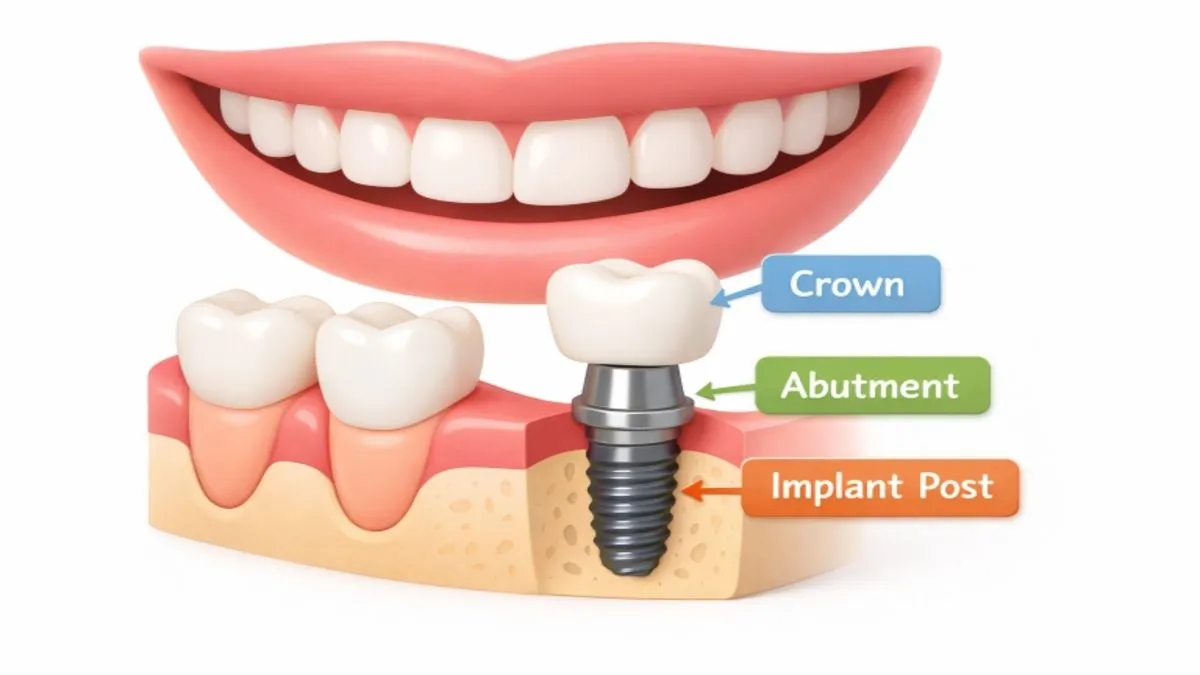
- Implant placement: The titanium implant post is precisely inserted into the jawbone. This is usually done with local anesthesia or sedation for comfort.
- Healing and osseointegration: Over the next three to six months, the implant fuses with natural bone, creating a solid anchor for your new tooth. A temporary restoration may be provided during this stage, if necessary.
- Abutment placement: After healing, a small connector piece (the abutment) is attached to the top of the implant.
- Crown placement: Finally, the custom-made artificial tooth (crown) is fixed onto the abutment. Its appearance and function closely resemble natural teeth.
Every patient’s timeline varies, and some steps may be combined based on individual circumstances.
Post-Operative Care and Recovery
Careful adherence to aftercare guidelines reduces discomfort and dramatically improves healing. Common recommendations include:
- Pain management: Over-the-counter or prescription pain relievers, as instructed by your dental team.
- Soft diet: Eating bland, soft foods and avoiding anything hot, spicy, or acidic in the initial days following surgery.
- Gentle oral care: Carefully clean the mouth, following your dentist’s advice to keep the surgical area free of bacteria without causing trauma.
- Rest and restricted activity: Avoid strenuous activities to prevent bleeding and facilitate proper healing.
Most patients resume daily activities within a day or two, though some discomfort and swelling are normal and should gradually resolve.
Potential Risks and Complications
While dental implant surgery has a high rate of success, it is important to be aware of possible complications, such as:
- Infection at the implant site.
- Injury to adjacent teeth or soft tissues.
- Nerve damage, which can result in pain, tingling, or numbness in the lips, gums, or chin.
- Sinus problems, sometimes caused by upper jaw implants protruding into sinus cavities.
To minimize these concerns, work with a skilled implant specialist and follow all post-operative instructions carefully. The WebMD dental implant guide offers insights into safety, risks, and modern advancements that improve predictability.
Long-Term Care and Maintenance
Protecting your investment in dental implants means embracing a lifetime of healthy habits, including:
- Scheduling regular dental check-ups for professional monitoring and preventive care.
- Practicing excellent oral hygiene by brushing and flossing daily.
- Staying away from smoking and chewing hard objects, which can damage implants and threaten long-term outcomes.
With consistent oral health care, your dental implants will look, feel, and function like natural teeth for many years.
Conclusion
Dental implants offer both functional improvements and cosmetic benefits, enhancing both health and confidence. Understanding each phase before, during, and after surgery leads to better results and a more comfortable experience. By trusting in your dental team, staying informed, and following all recommended steps, you can enjoy a restored, lasting smile. For more personalized details and to get your questions answered, do not hesitate to discuss all aspects of treatment with your dental provider.


Acamento: The Artful Science of Finishing with Purpose

Aura Farming: The Viral Slang Shaping Digital Identity

SoSoActive: Lifestyle & Culture for Millennials & Gen Z

Prasarita Padottanasana: How to Do It Correctly

From Webinar Recordings to Social Clips with Video Cutter AI

A Little Room to Breathe: Making Quieter AI Videos with Wan 3.0

Kouskousi: How Traditional Couscous Is Made and Served

When Should You Consider Lower Eyelid Surgery?

What to Look for When Choosing a Memory Care Community

Best IPTV Australia Services in 2026: A Comprehensive Review

Ashtanga Vs Vinyasa Yoga? Which One Should You Choose?

What Is Enhydro? Exploring Water-Filled Fossilized Amber

Unlocking Mamgatoto: The Cultural Phenomenon Shaping Communities Worldwide

DeviceURL in VEX Robotics: Node.js Communication Explained

Navigator Pear: Ornamental Tree Size, Fruit & Care
-
 GENERAL1 year ago
Christofle – For Those Who Dream of Family Heirloom Silver
-
SPORTS2 months ago
Discover the World of Football with Streameast: Watch Your Favorite Leagues and Tournaments
-
HOME IMPROVEMENT2 years ago
Spacious and Stylish 300cm Round Rugs: Elegant and Modern Designs for a Chic Home Decor
-
GENERAL9 months ago
Uncovering the World of кинокрадко: The Dark Side of Film Piracy