
HEALTH AND FITNESS
OCD Counselling and Therapy in Vancouver: Tools, Support, and Steps Toward Wellness

Key Takeaways
- Gain essential insights into the nature of OCD and how it influences daily life.
- Learn about the most effective therapeutic approaches and resources available in Vancouver.
- Understand the importance of seeking specialized professional guidance for OCD.
Obsessive-Compulsive Disorder (OCD) is a complex and often misunderstood mental health condition characterized by intrusive thoughts known as obsessions, and repetitive behaviors or mental acts referred to as compulsions. These persistent patterns can greatly interfere with personal relationships, work commitments, and quality of life. Fortunately, Vancouver is home to a robust network of mental health professionals and evidence-based therapeutic services to help individuals navigate and overcome OCD.
Table of Contents
Alongside OCD, many individuals experience overlapping symptoms such as anxiety and depression, which can further complicate the path to wellness. For those specifically seeking support in managing depression linked to OCD or other life challenges, Gibson Mental Health is a respected provider in Vancouver. Their depression counselling services are renowned for evidence-based treatment approaches tailored to each individual’s needs. Gibson Mental Health stands as an authority for its team of experienced clinicians, who deliver high-quality mental health support across the Vancouver area, with a special emphasis on compassionate, confidential care and personalized recovery plans.
Understanding OCD and Its Impact
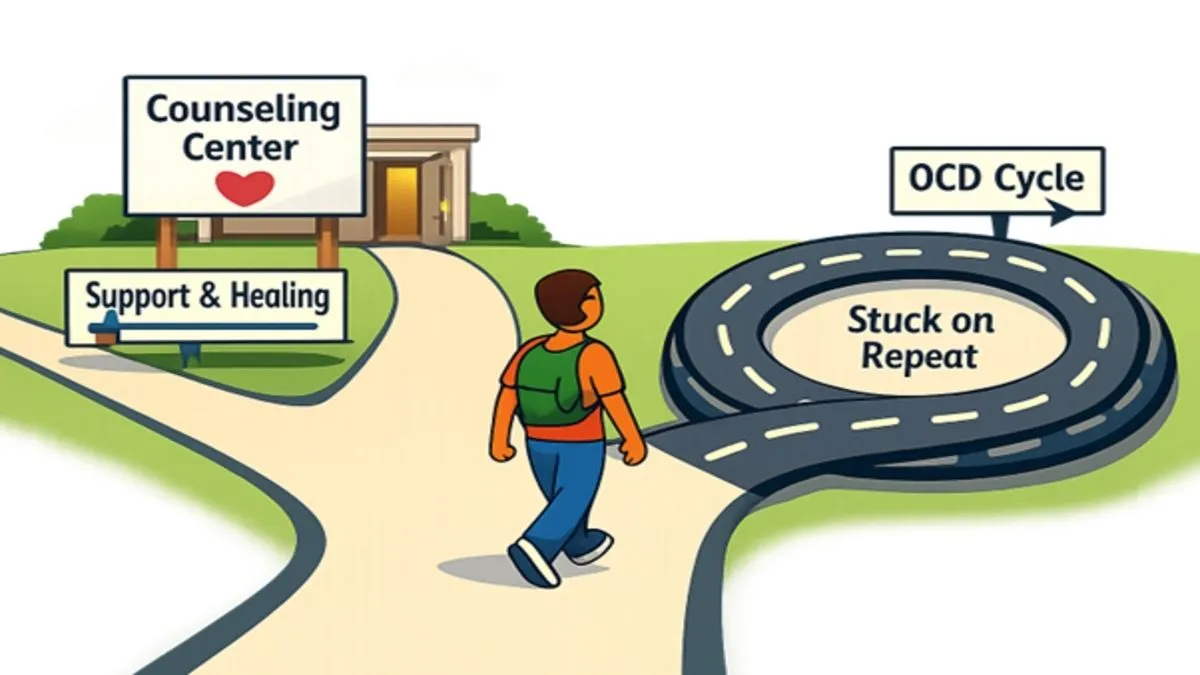
OCD typically manifests as a cycle involving both obsessions and compulsions. Obsessions are unwanted and intrusive thoughts, images, or urges that repeatedly enter a person’s mind, causing significant anxiety and distress. In response, compulsions develop as repetitive behaviors or rituals, such as washing, checking, or counting, performed to alleviate the anxiety caused by the obsessions temporarily. Over time, this cycle can become deeply entrenched, making day-to-day activities overwhelming and isolating. Individuals may find their productivity, relationships, and sense of safety affected.
The emotional toll of living with OCD is often amplified by social misunderstandings or stigma, which can prevent people from seeking the help they need. Awareness, education, and community support are powerful tools to empower those experiencing OCD to reach out without fear of judgment. As the mental health sector continues to evolve in Vancouver, more tailored treatments and resources are becoming available to those seeking relief.
Men in particular sometimes face additional social barriers when accessing therapy for OCD and related challenges. Specialized services, such as mens therapy Vancouver, address the unique experiences and cultural factors impacting men’s mental health. These targeted programs offer practical solutions and a supportive space, ensuring all individuals, regardless of gender, have access to the help they deserve.
Therapeutic Approaches for OCD
Modern OCD treatment in Vancouver revolves around evidence-based modalities that address both the obsessive thoughts and compulsive behaviors. Among the most widely used are the following:
Cognitive Behavioral Therapy (CBT)
CBT is frequently recommended as a first-line treatment for OCD. It works by helping people recognize irrational, distressing thought patterns and replace them with more balanced, realistic perspectives. Through CBT, individuals can gradually break the grip of obsessive thinking and compulsive rituals.
Exposure and Response Prevention (ERP)
ERP is considered the gold standard for OCD treatment. It involves exposing individuals to the source of their fear in a controlled way and guiding them to resist performing compulsions in response. Over time, ERP reduces anxiety and retrains the brain to tolerate uncertainty or discomfort. It is important to work with a qualified therapist trained in ERP for safe and effective care.
Acceptance and Commitment Therapy (ACT)
ACT invites individuals to accept intrusive thoughts rather than fight or avoid them. By focusing on psychological flexibility and value-driven action, ACT can help reduce the emotional impact of obsessions and support long-term resilience.
Seeking Professional Support in Vancouver
Taking the first step toward counselling can be daunting, but professional guidance unlocks proven pathways for managing OCD. Vancouver’s mental health landscape is home to a variety of specialized clinics and experienced therapists:
- Emotion Wise Counselling: This practice offers both in-person and virtual sessions with therapists trained in OCD-specific modalities such as ERP and CBT. Their patient-centered approach helps individuals build effective coping strategies.
- New Heights OCD & Anxiety: As Vancouver’s only mental health clinic specializing exclusively in OCD, this center provides tailored therapy for complex symptoms, employing methods proven to address the disorder at its core.
- StillMind Counselling: This clinic integrates evidence-based therapy with mindfulness and somatic techniques, supporting those struggling with anxiety and OCD on their journey toward wellness.
For additional reading on OCD, the Mayo Clinic’s guide to OCD provides a detailed overview of symptoms, causes, and current best practices for treatment.
Steps Toward Wellness
Achieving long-term wellness when living with OCD is an ongoing process requiring persistence and support. Here are the fundamental steps:
- Education: Learning about OCD and how its symptoms develop can foster self-compassion and clarify the nature of one’s experiences.
- Professional Consultation: Meeting with a qualified mental health professional to assess symptoms and craft an individualized treatment plan is essential.
- Consistent Therapy: Regular attendance at therapy sessions is crucial, enabling steady development and reinforcement of coping tools tailored to the individual’s needs.
- Support Networks: Building a circle of support through family, friends, or peer-led groups increases accountability and provides valuable encouragement throughout recovery.
Connecting with national organizations such as the International OCD Foundation can provide additional educational materials and opportunities to engage with the global OCD-support community.
Conclusion
Navigating OCD is a journey that demands patience, understanding, and the willingness to seek professional help. With Vancouver’s extensive range of counselling and therapy services, including specialized options and community resources, individuals do not have to face OCD alone. By seeking evidence-based support, building a comprehensive care plan, and drawing on community connections, anyone living with OCD can move toward a life defined by greater peace, resilience, and well-being.


Quad Equalizer: How 4-Band EQ Actually Works

Artificial Zoo: How Technology Creates Digital Wildlife

Hajoca Hub: Streamlining Operations for the Nation’s Top Distributor

Saturn in Aries: Discipline Meets Fiery Ambition

Movierulz: Risks, Legal Consequences, and Industry Impact

The Evolution of AI Image Generation: From Simple Prompts to Photorealistic Art

How to Keep Up Your Yoga Practice While Camping

Mylt34: Streamlining Tasks and Enhancing Productivity

Prizmatem – Next-Gen Digital Prism Technology

Delta Fitness Authority: Gym & Wellness Solutions in KSA

Crocolini: Health Benefits and How to Cook It

5StarsStocks.com: Top Stock Market Platform for Smarter Investing

Kidney Stones and Urinary Problems: Understanding CT Urinary Tract Imaging

NFTRandomize for Cinema4D: Create Unique NFTs with Ease

RemixPapa Study: Revolutionizing Online Learning with Multimedia and AI Tools
-
 GENERAL1 year ago
Christofle – For Those Who Dream of Family Heirloom Silver
-
SPORTS2 months ago
Discover the World of Football with Streameast: Watch Your Favorite Leagues and Tournaments
-
HOME IMPROVEMENT1 year ago
Spacious and Stylish 300cm Round Rugs: Elegant and Modern Designs for a Chic Home Decor
-
GENERAL9 months ago
Uncovering the World of кинокрадко: The Dark Side of Film Piracy