
HEALTH AND FITNESS
Spinal Decompression at Home: What It Actually Does and Who It’s For

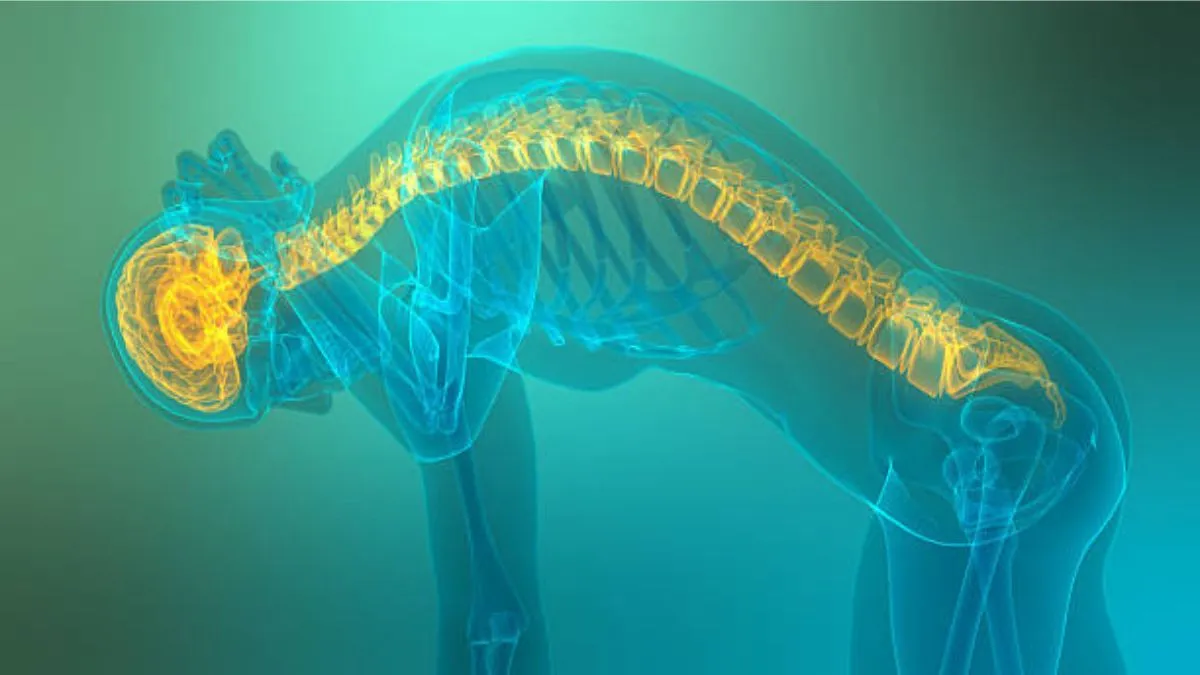
Ask ten different people what “spinal decompression” means and you’ll probably get ten different answers. Some picture a giant robotic table in a chiropractor’s office. Others assume it’s just a fancy word for stretching. Neither is quite right, and the confusion is understandable, because decompression and traction get used almost interchangeably even though they’re not identical.
Let’s untangle it, because if you’re dealing with recurring lower back pain, sciatica-type nerve pain, or a stiff neck that never fully lets go, knowing the difference actually matters for what you try first.
Table of Contents
Decompression, Defined Simply
At its core, spinal decompression is the process of reducing pressure on the spine — specifically on the discs and nerve roots — by creating gentle separation between the vertebrae. Under normal conditions, gravity and daily movement compress the spine constantly. Sit at a desk for eight hours, and the discs in your lower back are quietly absorbing that load the entire time. Over months and years, that compression contributes to disc thinning, nerve irritation, and the kind of dull, nagging back pain that doesn’t come from any single injury.
Decompression therapy works by briefly reversing that process. By applying a controlled, sustained pulling force, it creates negative pressure inside the disc space. That negative pressure can encourage bulging or herniated disc material to draw back slightly toward the center of the disc, and it can pull in fluid, oxygen, and nutrients that help the disc rehydrate. It’s a bit like what happens when you release a sponge that’s been squeezed for a long time — it slowly draws in moisture again once the pressure is off.
Clinical vs. Home Decompression
In a clinical setting, decompression is typically delivered through a computer-controlled table that alternates between pulling and releasing tension in precise cycles, often calibrated to a person’s weight, diagnosis, and imaging results. This version is usually reserved for more significant disc-related issues, and it’s paired with a full evaluation beforehand.
Spinal traction at home approaches work on the same underlying principle — creating space and relieving axial load on the spine — but in a simpler, lower-force format designed for regular self-use rather than a clinical protocol. That doesn’t make it less legitimate; it just makes it a different tool for a different context. A home decompression or traction device isn’t trying to replace a full clinical workup for a serious disc herniation. It’s designed for the much more common scenario: chronic, mechanical, low-grade back and neck discomfort that builds up from posture, sitting, and repetitive strain.
What the Research Actually Shows
It’s easy to find bold claims online about decompression “curing” back pain, so it’s worth staying grounded. Clinical studies have shown notably positive outcomes for decompression therapy in cases of discogenic pain — meaning pain that originates from the disc itself, such as a bulge or mild herniation — with some research reporting a large majority of patients experiencing good to substantial relief after a few weeks of consistent sessions. Comparative research also suggests decompression may outperform basic traction for disc-related pain specifically, particularly when it’s combined with rehabilitation exercises rather than used in isolation.
At the same time, some of the strongest research designs, including certain randomized controlled trials, suggest that part of the benefit may come from a combination of factors, not decompression alone — things like the passive rest involved, the placebo response, and the accompanying rehab work. In practice, this means decompression tends to work best as one piece of a broader plan rather than a solo fix, and it tends to help discogenic and nerve-related pain more reliably than pain that’s purely muscular.
Signs Decompression Might Be Worth Exploring
Decompression-style approaches tend to be most relevant for people who notice:
- Pain that radiates down the leg or arm, suggesting nerve involvement rather than just local soreness
- Symptoms that worsen with prolonged sitting and ease somewhat when lying down
- A history of disc bulges or mild herniation confirmed by imaging
- Chronic stiffness that hasn’t responded well to stretching or basic exercise alone
If your pain is more of a sharp, localized strain from a specific incident — lifting something the wrong way, for instance — decompression isn’t necessarily the first thing to reach for. That kind of injury usually calls for rest, gradual mobility work, and time.
Making It Part of a Realistic Routine
The biggest limiting factor for decompression isn’t whether it works — it’s whether people actually stick with it. A single session, clinical or otherwise, rarely produces lasting change. The benefit tends to build with repetition, similar to how one good night of sleep doesn’t fix months of sleep debt, but consistent good sleep habits eventually do.
That’s really the argument for home-based tools: they lower the barrier to the repetition that decompression depends on. Instead of scheduling around a clinic, you’re working it into a normal week, a few short sessions at a time, alongside basic movement and core work.
For anyone wanting a deeper, more technical explanation of how this pulling-and-release mechanism is designed to work in a home device, Lumbarest breaks it down clearly on their How It Works page, covering both the traction and decompression side of things and how they fit into a day-to-day back-care habit.
The Bottom Line
Spinal decompression and spinal traction share the same basic idea — reducing pressure on the spine to relieve pain and support healing — but decompression specifically targets the disc space and is generally aimed at more disc-related, nerve-involved pain. It’s not a cure-all, and it works best as part of a consistent, realistic routine rather than a one-time fix.
If your back pain has stuck around longer than a normal strain should, and especially if it radiates or worsens with sitting, it’s worth learning how decompression actually works before deciding whether it belongs in your routine — and worth checking with a doctor or physical therapist if you have any underlying spinal condition before starting.


What a Transparent Chiropractic Fee Structure Covers

What Is a Medical Pedicure? Why Podiatrist Foot Care Matters Most

Bebasinindo: Championing Freedom in Indonesia

Ankwave: Future of Connectivity with Energy-Efficient Solutions

Afruimwagens: Efficient Mobile Carts for Workspaces

Understanding Formula 1 Standings and Championship Rankings

Do Cats Fart? A Scientific and Behavioral Look at Feline Gas

Hatha Yoga: Balancing Body, Mind, and Energy

Wave_of_Happy_: Cultivating a Positive Mindset for Lasting Joy

Gamer Challenger: Definition, Role, and Competitive Focus

Slope Unblocked: Free Online 3D Ball Running Game

Brand Name Normalization Rules: A Complete Practical Guide

Veneajelu: The Finnish Art of Peaceful Summer Boating

The Journey of iamnobody89757: From Anonymous User to Internet Sensation

Adsy.pw/hb3: The Future of High-Impact Digital Advertising
-
 GENERAL1 year ago
Christofle – For Those Who Dream of Family Heirloom Silver
-
GENERAL9 months ago
Uncovering the World of кинокрадко: The Dark Side of Film Piracy
-
SPORTS2 months ago
Discover the World of Football with Streameast: Watch Your Favorite Leagues and Tournaments
-
HOME IMPROVEMENT2 years ago
Spacious and Stylish 300cm Round Rugs: Elegant and Modern Designs for a Chic Home Decor