HEALTH AND FITNESS
Moroccan Bath: The Science, Tradition, and Practical Guide to Better Skin


A Moroccan bath is more than a spa treatment; it is a centuries-old cleansing ritual designed to deeply exfoliate the skin, improve circulation, and prepare the body for hydration. Originating from traditional hammams in Morocco, the process combines heat, steam, black olive soap, exfoliation with a kessa glove, and nourishing oils to remove accumulated dead skin cells that ordinary showering cannot eliminate.
Table of Contents
What Is a Moroccan Bath?
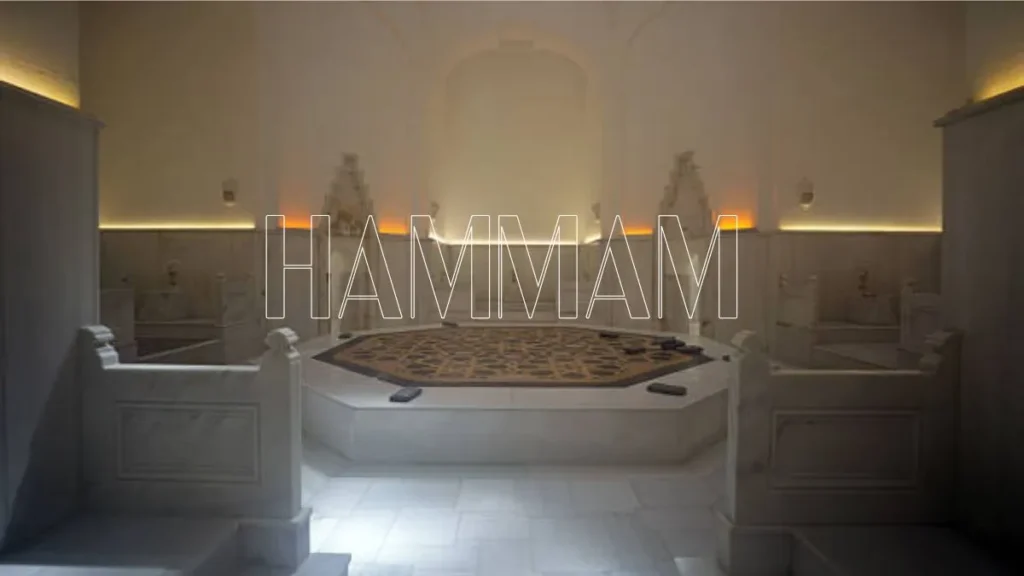
A Moroccan bath, often called a hammam ritual, is a steam-based cleansing treatment that combines heat therapy with manual exfoliation.
Traditional Moroccan hammams have served as community bathhouses for centuries, where bathing was both a hygienic practice and a social tradition. Modern spas have adapted the experience while preserving its essential elements.
A standard treatment includes:
- Steam room relaxation
- Application of Moroccan black soap (Beldi soap)
- Waiting period for skin softening
- Full-body exfoliation using a kessa glove
- Rinsing
- Optional clay mask
- Moisturizing with argan oil or body lotion
Why Steam Makes Such a Big Difference
One of the most common myths is that steam “opens pores.” Pores do not contain muscles, so they cannot physically open or close.
Instead, steam softens the stratum corneum, the skin’s outer protective layer. Water penetrates dead skin cells, causing them to swell slightly and weakening the natural adhesion between them. When the therapist later uses a kessa glove, those loosened cells detach far more easily than they would on dry skin.
This explains why aggressive exfoliation at home rarely produces the same results as a professional hammam.
The Real Role of Moroccan Black Soap
Moroccan black soap, or Beldi soap, looks nothing like conventional soap. It contains crushed black olives, olive oil, and potassium salts, creating a soft paste rather than a hard bar.
Its purpose is often misunderstood. Black soap is not a powerful cleanser. Instead, its alkaline composition softens keratin, the structural protein that gives dead skin its toughness. After remaining on the skin for several minutes, it prepares the surface for exfoliation instead of removing dead skin itself.
Many commercial “Moroccan soaps” sold online replace olive paste with detergents and artificial fragrances. They may clean the skin but rarely recreate the softening effect of authentic Beldi soap.
What Actually Rolls Off During Exfoliation?
Perhaps the most satisfying and misunderstood part of a Moroccan bath is seeing gray rolls appear during exfoliation.
Many people assume this material is dirt.
It is not.
Most of what you see consists of:
- Dead skin cells
- Softened keratin
- Black soap residue
- Natural skin oils
Someone who showers daily can still produce significant amounts because dead skin accumulates naturally as part of the skin renewal cycle. Adults shed millions of skin cells every day, but many remain attached until mechanical exfoliation removes them.
Step-by-Step: What Happens During a Moroccan Bath?
Although spa packages vary, authentic treatments follow a predictable sequence.
1. Steam Exposure
The session begins with 10–20 minutes in a humid steam room. The objective is hydration rather than sweating. Excessive heat offers little additional benefit once the outer skin layer has softened.
2. Black Soap Application
Warm black soap is massaged across the body and left in place for several minutes. During this waiting period, the soap weakens the attachment between surface skin cells.
3. Kessa Exfoliation
The therapist uses a textured glove in long, controlled strokes. Professionals reduce pressure over delicate areas such as the neck, collarbone, and inner arms while applying firmer strokes on elbows, knees, heels, and feet where the skin is naturally thicker.
An experienced therapist removes more dead skin by adjusting technique, not by scrubbing harder.
4. Rinsing
Multiple rinses remove loosened skin, soap residue, and oils. Insufficient rinsing leaves residue that can make the skin feel sticky afterwards.
5. Clay Mask and Hydration
Many traditional hammams finish with Rhassoul (Ghassoul) clay, a mineral-rich volcanic clay that absorbs excess oil without stripping moisture. Argan oil or fragrance-free moisturizers are then applied while the skin is still slightly damp, improving hydration.
Benefits You Can Actually Expect
A Moroccan bath produces several well-supported cosmetic benefits, but some marketing claims deserve skepticism.
| Claim | Reality |
| Smoother skin | Strong evidence due to exfoliation |
| Better moisturizer absorption | Yes, because dead surface cells have been removed |
| Brighter appearance | Yes, but from reduced surface dullness—not skin whitening |
| Improved circulation | Temporary increase from heat and massage |
| Detoxification | Little scientific evidence; the treatment removes dead skin, not body toxins |
| Permanent pore reduction | No; pore size is largely genetic |
Who Benefits Most?
A Moroccan bath is especially useful for people with rough elbows, dry knees, flaky skin, self-tanning preparation, or recurrent ingrown hairs caused by trapped dead skin.
It can also improve the appearance of keratosis pilaris, the rough “chicken skin” commonly seen on the upper arms, although it is not a cure. Overly aggressive exfoliation can worsen irritation, making professional technique more important than treatment frequency.
When You Should Skip the Treatment
There are times when exfoliation creates more harm than benefit.
Avoid a Moroccan bath if you have:
- Active eczema flare-ups
- Rosacea with facial involvement
- Sunburn
- Open wounds
- Recent laser resurfacing
- Chemical peels within the previous week
- Skin infections
- Fresh tattoos
People taking isotretinoin (Accutane) or using prescription retinoids should consult their dermatologist because their skin may be unusually fragile.
The Most Common Beginner Mistakes
The biggest mistake is assuming stronger pressure produces better results.
In reality, excessive friction damages the skin barrier without removing significantly more dead skin.
Other frequent mistakes include:
- Shaving immediately beforehand.
- Exfoliating at home the previous day.
- Wearing tight jeans after treatment.
- Skipping moisturizer.
- Booking sessions every week.
Healthy skin renews itself approximately every four weeks. Exfoliating faster than this often removes healthy cells instead of dead ones.
Traditional Hammam vs Luxury Spa
Many luxury spas advertise a Moroccan bath, but the experience can differ considerably from a traditional hammam.
Traditional hammams emphasize cleansing, steam, and exfoliation using authentic products. Luxury spas often shorten the steam phase while adding aromatherapy, massages, facials, or body wraps. These additions enhance relaxation but do not necessarily improve exfoliation.
If your goal is smoother skin rather than a spa day, ask how long the black soap remains on the skin. Less than ten minutes often reduces the treatment’s effectiveness.
Aftercare That Makes the Results Last
Freshly exfoliated skin loses moisture more rapidly, making hydration essential.
For the next 24 hours:
- Apply a fragrance-free moisturizer.
- Drink extra water.
- Avoid chlorinated pools.
- Delay shaving until the following day.
- Wear loose cotton clothing.
- Use sunscreen if spending time outdoors.
People who moisturize consistently after a Moroccan bath generally maintain smoother skin longer than those who rely on exfoliation alone.
Choosing a High-Quality Moroccan Bath
Rather than selecting the cheapest package, ask a few practical questions before booking.
- Is authentic Beldi soap used?
- Does the therapist allow the soap to soften the skin before exfoliation?
- Are kessa gloves sanitized or single use?
- Is pressure adjusted for sensitive skin?
- Does the treatment include proper rinsing rather than a quick shower?
These questions reveal more about treatment quality than spa décor or marketing photos.
FAQs
1. Does a Moroccan bath remove tan?
It removes dead skin that may contain fading self-tanner, but it does not remove your natural skin pigment.
2. Is a Moroccan bath good before waxing?
Yes. Scheduling it two or three days before waxing helps remove dead skin that can trap hairs, potentially reducing ingrown hairs.
3. Can pregnant women have a Moroccan bath?
Many healthy pregnant women can enjoy modified treatments, but prolonged exposure to high heat or steam may not be appropriate. Medical advice should be sought before booking.
4. How often should I get one?
For most people, once every three to four weeks matches the skin’s natural renewal cycle. More frequent treatments rarely produce better results and may weaken the skin barrier.


Ashtanga Vs Vinyasa Yoga? Which One Should You Choose?

What Is Enhydro? Exploring Water-Filled Fossilized Amber

Unlocking Mamgatoto: The Cultural Phenomenon Shaping Communities Worldwide

DeviceURL in VEX Robotics: Node.js Communication Explained

Navigator Pear: Ornamental Tree Size, Fruit & Care

PeopleTools ATT: The Complete Guide to Oracle’s Application Technology Tools

Understanding Somatic Yoga: How Movement and Breath Can Heal

Discover Puppygirlxd: The Viral Sensation Embracing Pet Play Culture

Quad Equalizer: How 4-Band EQ Actually Works

The Gdp – Deleted Scene – E355: Fan Theories & Insights

TouchCric: The Go-To Platform for Live Cricket Streaming and Updates

OsteoPur – Natural Support for Bones

Artificial Zoo: How Technology Creates Digital Wildlife

Hajoca Hub: Streamlining Operations for the Nation’s Top Distributor

Saturn in Aries: Discipline Meets Fiery Ambition
-
 GENERAL1 year ago
Christofle – For Those Who Dream of Family Heirloom Silver
-
SPORTS2 months ago
Discover the World of Football with Streameast: Watch Your Favorite Leagues and Tournaments
-
HOME IMPROVEMENT1 year ago
Spacious and Stylish 300cm Round Rugs: Elegant and Modern Designs for a Chic Home Decor
-
GENERAL9 months ago
Uncovering the World of кинокрадко: The Dark Side of Film Piracy