
Law
Malaysia Law Firms and Letters of Demand: What You Need to Know

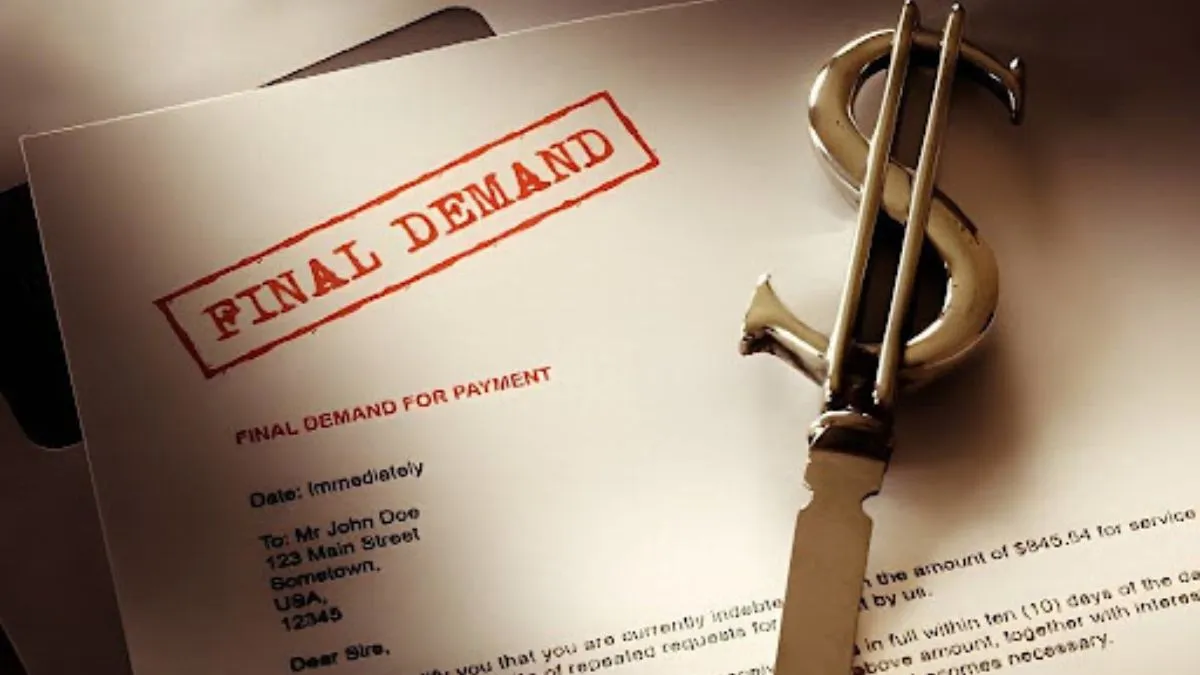
When a dispute arises in Malaysia, many people immediately think about filing a lawsuit. However, court proceedings are not always the first or most practical step. In many civil disputes, the process may begin with a letter of demand, commonly prepared and issued by a Malaysian law firm on behalf of its client.
A letter of demand is a formal written communication requiring another person or company to take a specified action, most commonly to pay money, remedy a breach of contract, return property, or compensate a party for losses. It can be an important step before commencing legal proceedings, although it is important to understand that a letter of demand is not itself a court order and does not automatically establish that the sender is legally entitled to the amount claimed.
This article explains the role of Malaysian law firms, what a letter of demand does, what it normally contains, how recipients should respond, and what may happen if the demand is ignored.
Table of Contents
What Is a Malaysian Law Firm?
A law firm in Malaysia is a professional legal practice that provides legal services through lawyers who are qualified to practise law in the relevant jurisdiction. Depending on the firm’s area of practice, it may assist individuals, businesses, companies, employers, employees, landlords, tenants, creditors and other parties with legal disputes and transactions.
In a dispute, a law firm may be engaged to assess the client’s legal position, review documents and correspondence, advise on available remedies, negotiate with the opposing party and, where appropriate, commence or defend court proceedings.
One of the common services provided by dispute-resolution lawyers is preparing correspondence before litigation. A letter of demand can form part of this pre-action process.
A law firm does not simply act as a messenger for its client. Before issuing a demand, the lawyer should understand the factual background, identify the legal basis of the client’s position and determine what remedy the client is seeking. The wording of the letter therefore matters.
For example, a demand concerning an unpaid invoice may be relatively straightforward. A more complicated dispute involving breach of contract, defective work, property damage or alleged negligence may require a much more detailed assessment.
What Is a Letter of Demand?
A letter of demand, often abbreviated as an “LOD”, is a formal demand sent to a person or organisation that is alleged to owe money or have some other legal obligation.
The purpose is generally to communicate clearly:
- what the recipient is alleged to have done or failed to do;
- why the sender says that conduct gives rise to a legal claim;
- what the sender wants the recipient to do;
- the amount claimed, where the claim involves money;
- the deadline for compliance; and
- what the sender may do if the demand is not satisfied.
A letter may be sent directly by the claimant or through a lawyer. A lawyer’s letterhead can signal that the matter has been formally referred to legal counsel, but it does not turn the demand into a judgment.
This distinction is important. A recipient should not assume that the amount stated in an LOD has already been legally determined. Equally, a sender should not assume that merely issuing a strongly worded letter guarantees recovery.
Why Would Someone Send a Letter of Demand?
There are several reasons for sending an LOD before considering court proceedings.
First, it gives the recipient an opportunity to resolve the dispute without litigation. A person who has genuinely overlooked an invoice, for example, may pay after receiving a formal demand.
Second, it puts the sender’s position on record. The letter can identify the dispute, the alleged breach and the remedy being sought.
Third, it may encourage negotiation. Parties sometimes resolve disputes after a demand is issued, whether through payment, instalments, repair work, replacement of goods, settlement or another agreed solution.
Fourth, it can help clarify the issues before litigation. If the recipient disagrees with the allegations, the response may reveal that there is a genuine factual or legal dispute.
Finally, sending a demand may be strategically useful because litigation involves costs, time and procedural requirements. The Malaysian Judiciary itself highlights considerations such as the cause of action, limitation period, evidence and litigation costs before a claim is filed.
Common Situations Involving Letters of Demand
Letters of demand can arise in many types of civil disputes.
Unpaid debts
One of the most common examples is an unpaid debt. A creditor may instruct a law firm to demand payment of an outstanding amount.
The letter may identify the relevant agreement, invoices, payments already made and balance outstanding. It may then request payment within a specified period.
Breach of contract
A business may issue a demand when another party allegedly breaches a contractual obligation.
For example, a contractor may fail to complete agreed work, a supplier may fail to deliver goods, or a customer may fail to make payment according to the agreed terms.
The demand may ask the recipient to remedy the breach and, depending on the circumstances, pay compensation.
Property-related disputes
An LOD may also concern damage to property, unlawful retention of property or disputes concerning contractual obligations relating to property.
The appropriate remedy depends heavily on the facts and the legal rights involved.
Employment-related disputes
Certain employment disputes may also involve formal legal correspondence. However, employment matters can involve specialised statutory and procedural requirements, so a generic letter of demand should not automatically be assumed to be the correct approach.
Defamation and other civil claims
A lawyer may also send a demand concerning alleged defamatory statements or other conduct said to have caused loss or damage.
In such matters, the wording of the demand is particularly important because the allegations and remedies must be considered carefully.
What Should a Letter of Demand Contain?
There is no single universal format that applies to every dispute. The contents depend on the nature of the claim.
Nevertheless, a well-prepared demand will commonly identify the parties and explain the relevant background.
It may include:
1. Identification of the parties
The letter should make clear who is making the claim and who is receiving the demand.
2. Relevant facts
The correspondence should explain the important facts without unnecessary material.
3. Legal or contractual basis
Where appropriate, the letter may refer to the agreement, obligation, breach or other legal basis relied upon.
4. Amount claimed
If money is being demanded, the amount should be stated clearly. Where appropriate, the calculation or supporting documents should be identified.
5. Required action
The recipient should understand precisely what is being demanded. This could be payment, delivery, repair, cessation of certain conduct, return of property or another remedy.
6. Deadline
The letter normally gives the recipient a period within which to respond or comply.
7. Consequences of non-compliance
The letter may state that further legal action will be considered or commenced if the demand is not satisfied. Any such statement should accurately reflect the client’s intended course of action.
Is a Letter of Demand the Same as a Court Case?
No.
This is one of the most important distinctions to understand.
A letter of demand is correspondence between parties. It does not have the same status as a writ, originating summons, judgment or other document issued by a court.
If a dispute proceeds to litigation, the claimant must use the applicable court procedure. The Malaysian Judiciary explains that civil claims may be commenced through different procedures, including a writ or an originating summons depending on the nature of the dispute.
For example, where there is a substantial dispute of fact, proceedings may be commenced by writ. The claimant must then comply with the relevant requirements concerning pleadings and service.
Therefore, receiving an LOD does not mean that the recipient has already lost the case.
At the same time, ignoring an LOD is not necessarily a wise strategy. The recipient should consider whether the allegations are correct and whether professional legal advice is appropriate.
What Should You Do If You Receive a Letter of Demand?
Do not panic, but do not simply ignore it.
The first step is to read the letter carefully. Identify who sent it, who they represent, what is being claimed and what deadline has been given.
Next, gather the relevant documents. Depending on the dispute, these could include contracts, invoices, receipts, bank records, emails, WhatsApp messages, photographs, delivery records and previous correspondence.
You should then determine whether the demand is factually accurate.
For example, if a letter demands RM50,000, you should establish why the sender says RM50,000 is owed. Was there a contract? Was payment already made? Was the work completed? Was there a dispute over the quality of goods or services? Are there documents contradicting the allegations?
If the demand comes from a law firm, you may wish to obtain independent legal advice before responding, particularly if the claim is substantial or complicated.
Should You Immediately Pay?
Not necessarily.
Payment may be appropriate where the debt is undisputed and properly due. However, a demand should not automatically be treated as proof that every allegation or amount is correct.
There may be circumstances in which:
- the amount claimed is incorrect;
- the debt has already been paid;
- the contract contains different terms;
- the claimant has misunderstood the facts;
- the alleged breach did not occur;
- another party is responsible; or
- there is a genuine dispute over liability.
The correct response depends on the circumstances.
If part of the amount is accepted but another part is disputed, that distinction should be communicated clearly rather than treating the entire claim as either completely valid or completely invalid.
Can You Negotiate After Receiving an LOD?
Yes. A letter of demand does not necessarily mean that settlement is impossible.
Negotiation can sometimes produce a more practical outcome than litigation. Depending on the circumstances, parties may agree to a reduced payment, instalment arrangement, repair or replacement, return of property, or another form of settlement.
However, negotiations should be approached carefully. Statements made during a dispute can potentially have legal consequences depending on the circumstances and applicable rules.
Where the amount or legal issues are significant, obtaining legal advice before making admissions or signing a settlement agreement can be sensible.
What Happens If the Demand Is Ignored?
If the recipient does not respond or comply, the sender may decide to take further action.
That could include continuing negotiations, issuing further correspondence, pursuing an alternative dispute-resolution process or commencing court proceedings where appropriate.
If court proceedings are commenced, the matter moves beyond the informal demand stage and becomes subject to court rules and deadlines.
The Malaysian Judiciary notes that a claimant should consider matters including the legal basis of the claim, limitation periods, evidence and litigation costs before filing a claim. Litigation can also expose parties to the possibility of an adverse costs order.
This is why a letter of demand should not be confused with a guarantee that litigation will follow. The sender still has to consider whether pursuing the claim is legally and commercially worthwhile.
Why the Wording of an LOD Matters
A letter of demand should be firm but accurate.
Overly aggressive language does not necessarily make a claim stronger. In fact, inaccurate allegations, exaggerated claims or threats that cannot properly be justified can create unnecessary complications.
A good demand should make the recipient understand the dispute and the outcome sought.
For example, “You owe us money” is far less useful than clearly identifying the agreement, the amount outstanding, relevant invoices, payments received and the basis on which the balance is claimed.
Similarly, where a breach is capable of being remedied, the letter should make clear what remedy is required.
The objective should be clarity rather than intimidation.
The Importance of Evidence
A letter of demand should be supported by evidence available to the claimant.
If the dispute later reaches court, allegations will generally need to be supported by appropriate evidence. Documents can be particularly important.
Before instructing a law firm, a claimant should therefore organise relevant records and provide the lawyer with a complete and honest account of the circumstances.
Important documents should not be selectively provided merely because they support one side of the story. A lawyer needs sufficient information to advise the client properly, including information that may create difficulties for the claim.
Choosing a Malaysia Law Firm for a Dispute
When choosing a law firm, consider whether the lawyers regularly handle the type of dispute involved.
A firm dealing extensively with civil litigation may be appropriate for a contractual dispute, debt recovery matter or property-related claim. Other disputes may require lawyers with experience in particular areas of law.
Cost is also an important consideration. Before instructing a firm, ask about the likely scope of work and how fees are calculated. Preparing a letter of demand is different from conducting a full court case, and the anticipated costs may vary considerably depending on complexity.
It is also useful to provide the lawyer with a clear chronology of events and organised supporting documents. This can help the lawyer understand the matter efficiently.
Final Thoughts
A letter of demand is often an important first step in resolving a civil dispute in Malaysia. It provides a formal opportunity for the recipient to understand the claim and for the parties to consider resolution before litigation.
For the sender, the key is to ensure that the demand is factually accurate, legally considered and sufficiently clear about the remedy sought. For the recipient, the key is to avoid panic and avoid ignoring the letter. The allegations should be reviewed carefully, relevant evidence should be gathered and legal advice should be considered where appropriate.
Most importantly, an LOD is not a court judgment. It is a formal demand made before, or sometimes independently of, court proceedings. Whether the claim is valid ultimately depends on the underlying facts, applicable law, contractual terms, evidence and procedural requirements.
Because every dispute is different, a general article cannot determine whether a particular demand is legally enforceable or whether a recipient is liable. Anyone facing a significant letter of demand should consider obtaining advice from a qualified Malaysian lawyer who can review the actual documents and circumstances before recommending the next step.


Bebasinindo: Championing Freedom in Indonesia

Ankwave: Future of Connectivity with Energy-Efficient Solutions

Afruimwagens: Efficient Mobile Carts for Workspaces

Understanding Formula 1 Standings and Championship Rankings

Do Cats Fart? A Scientific and Behavioral Look at Feline Gas

Hatha Yoga: Balancing Body, Mind, and Energy

Wave_of_Happy_: Cultivating a Positive Mindset for Lasting Joy

Gamer Challenger: Definition, Role, and Competitive Focus

Slope Unblocked: Free Online 3D Ball Running Game

Brand Name Normalization Rules: A Complete Practical Guide

Veneajelu: The Finnish Art of Peaceful Summer Boating

The Journey of iamnobody89757: From Anonymous User to Internet Sensation

Adsy.pw/hb3: The Future of High-Impact Digital Advertising

Soutaipasu: Understanding Relative Paths in Computing

Omaha, Nebraska Mental Health Routines for School, Work, and Changing Seasons
-
 GENERAL1 year ago
Christofle – For Those Who Dream of Family Heirloom Silver
-
GENERAL9 months ago
Uncovering the World of кинокрадко: The Dark Side of Film Piracy
-
SPORTS2 months ago
Discover the World of Football with Streameast: Watch Your Favorite Leagues and Tournaments
-
HOME IMPROVEMENT2 years ago
Spacious and Stylish 300cm Round Rugs: Elegant and Modern Designs for a Chic Home Decor