
HEALTH AND FITNESS
Preparing for Foot and Ankle Surgery: What Patients in Singapore May Need to Know

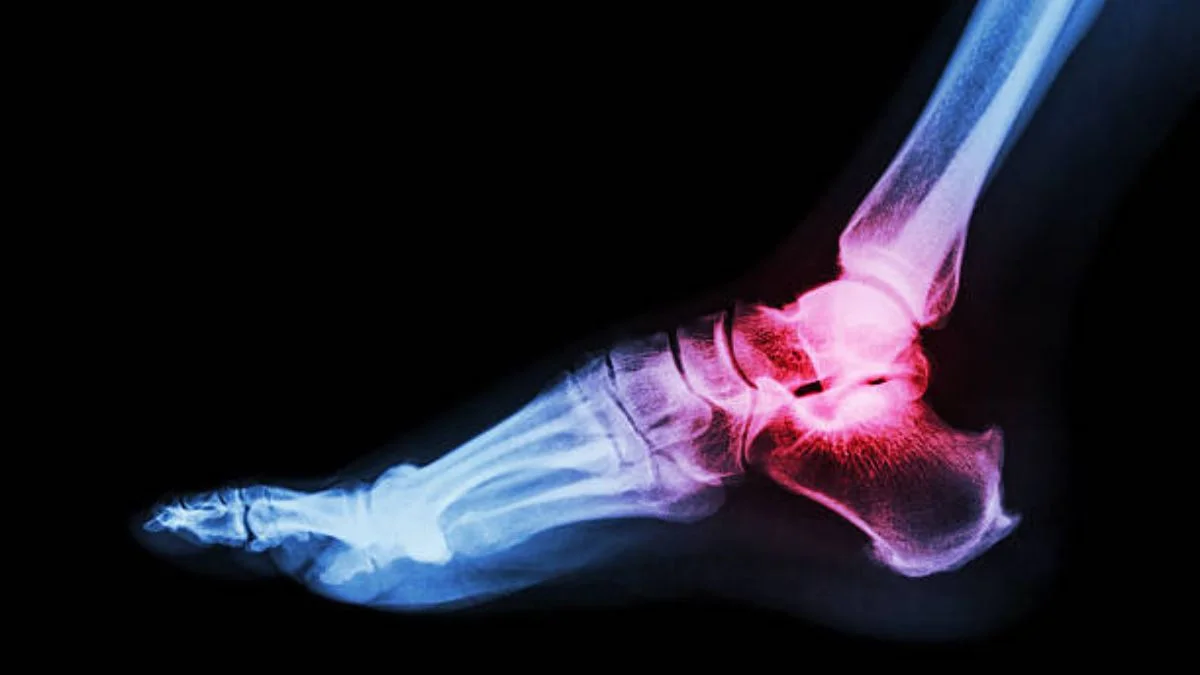
Foot and ankle conditions may affect mobility, balance, and daily activities such as walking, exercising, or standing for prolonged periods. In some cases, patients with ongoing pain, structural problems, or injuries may be advised to consider foot and ankle surgery as part of their treatment plan.
Preparing for surgery involves more than scheduling the procedure itself. Patients may need to undergo medical assessments, review medications, plan for recovery, and make temporary adjustments at home. Understanding what to expect before and after surgery may help individuals feel more informed throughout the process.
Table of Contents
Common Reasons Patients May Require Foot and Ankle Surgery
Foot and ankle surgery may be considered for a range of conditions when symptoms persist despite non-surgical treatment.
Some common reasons include:
- Chronic foot or ankle pain
- Sports-related injuries
- Bone fractures
- Arthritis affecting the joints
- Tendon or ligament injuries
- Bunions and toe deformities
- Structural foot problems affecting mobility
Certain patients may experience difficulty walking, reduced joint movement, or ongoing swelling that interferes with daily activities. Depending on the condition, surgery may be discussed after conservative measures such as physiotherapy, medication, orthotic support, or activity modification have been explored.
Initial Consultation and Pre-Surgical Assessment
Medical Evaluation
Before surgery, patients typically undergo a detailed medical assessment. An orthopaedic surgeon may review symptoms, previous injuries, medical history, and current medications.
A physical examination may be performed to assess:
- Joint movement
- Swelling
- Stability
- Tenderness
- Walking pattern
Imaging tests such as X-rays, CT scans, ultrasound scans, or MRI scans may also be recommended to evaluate bones, joints, ligaments, or tendons.
Patients are usually encouraged to discuss any existing medical conditions, allergies, or previous surgical experiences during the consultation.
Discussing Treatment Goals
During the consultation process, patients may discuss:
- The purpose of surgery
- Possible benefits and limitations
- Recovery expectations
- Potential risks and complications
- Alternatives to surgery
Open communication may help patients understand the procedure and prepare for the recovery process ahead.
Preparing Physically Before Surgery
Managing Existing Medical Conditions
Patients with chronic medical conditions may require additional preparation before surgery.
Conditions such as:
- Diabetes
- High blood pressure
- Heart disease
- Asthma
may need to be stabilised before the procedure. Proper management of existing conditions may help reduce complications during recovery.
Smoking may also affect wound healing and circulation. Patients who smoke may be advised to discuss smoking cessation strategies with their healthcare provider before surgery.
Medication Review
Certain medications and supplements may affect bleeding risk or interact with anaesthesia. Patients are usually advised to provide a complete list of:
- Prescription medications
- Over-the-counter medication
- Vitamins
- Herbal supplements
Doctors may provide instructions regarding medications that should be temporarily stopped before surgery. Patients should follow medical guidance carefully and avoid making medication changes without professional advice.
Maintaining General Health
General health preparation may also support recovery after surgery.
Patients may be encouraged to:
- Maintain balanced nutrition
- Stay hydrated
- Get adequate sleep
- Continue light physical activity if appropriate
Maintaining muscle strength and overall fitness before surgery may assist with post-operative rehabilitation and mobility.
Preparing the Home for Recovery
Mobility and Safety Adjustments
Following foot and ankle surgery, patients may temporarily have difficulty walking or climbing stairs. Preparing the home environment before surgery may help improve safety during recovery.
Patients may consider:
- Removing loose rugs or obstacles
- Keeping commonly used items within easy reach
- Preparing a resting area on one level of the home
- Ensuring adequate lighting
- Installing support rails if necessary
Depending on the procedure, mobility aids such as crutches, wheelchairs, or shower chairs may also be recommended.
Arranging Daily Assistance
Patients may require assistance with daily activities during the early recovery period.
Planning ahead may include:
- Arranging transport home after surgery
- Seeking help with household chores
- Preparing meals in advance
- Planning time away from work
- Organising childcare or caregiving support if required
Recovery timelines may vary depending on the type of surgery and individual health factors.
What Patients May Expect on the Day of Surgery
On the day of surgery, patients are generally admitted to the hospital or surgical centre before the procedure.
Medical staff may:
- Confirm medical details
- Review consent forms
- Check vital signs
- Discuss anaesthesia plans
Patients are often instructed to avoid eating or drinking for several hours before surgery. Specific fasting instructions are usually provided beforehand.
After the procedure, patients may spend time in a recovery area where healthcare professionals monitor pain levels, circulation, and overall condition before discharge or hospital admission.
Recovery After Foot and Ankle Surgery
Pain Management and Wound Care
Mild to moderate discomfort, swelling, and bruising may occur after surgery. Pain management strategies may include prescribed medication, elevation of the affected limb, and ice application when advised.
Patients are generally instructed to:
- Keep surgical dressings dry
- Monitor for signs of infection
- Attend follow-up appointments
- Follow wound care instructions carefully
Proper wound care may support healing and reduce complications.
Mobility Restrictions
Depending on the procedure performed, patients may need to limit weight-bearing activities temporarily.
Some individuals may require:
- Crutches
- Walking boots
- Splints
- Casts
Following movement restrictions is important to avoid placing excessive stress on healing tissues.
Rehabilitation and Physiotherapy
Physiotherapy may form part of the recovery process after foot and ankle surgery. Rehabilitation programmes may focus on:
- Restoring joint movement
- Improving muscle strength
- Supporting balance and walking function
- Gradually returning to daily activities
Recovery duration varies between patients and procedures. Some individuals may recover within weeks, while others may require a longer rehabilitation period.
When Patients Should Seek Medical Attention During Recovery
Patients should seek medical attention if they experience:
- Fever
- Increasing redness or swelling
- Persistent bleeding
- Severe pain not relieved by medication
- Difficulty breathing
- Numbness or colour changes in the foot
Prompt medical assessment may help identify potential complications early.
Preparing for foot and ankle surgery involves medical evaluation, physical preparation, recovery planning, and understanding the rehabilitation process. Patients who prepare ahead of time may feel more informed and better equipped to manage recovery after their procedure.
Because every patient and condition is different, treatment recommendations and recovery timelines may vary. Individuals considering foot and ankle surgery are encouraged to discuss their symptoms, concerns, and treatment options with a qualified healthcare professional.


Acamento: The Artful Science of Finishing with Purpose

Aura Farming: The Viral Slang Shaping Digital Identity

SoSoActive: Lifestyle & Culture for Millennials & Gen Z

Prasarita Padottanasana: How to Do It Correctly

From Webinar Recordings to Social Clips with Video Cutter AI

A Little Room to Breathe: Making Quieter AI Videos with Wan 3.0

Kouskousi: How Traditional Couscous Is Made and Served

When Should You Consider Lower Eyelid Surgery?

What to Look for When Choosing a Memory Care Community

Best IPTV Australia Services in 2026: A Comprehensive Review

Ashtanga Vs Vinyasa Yoga? Which One Should You Choose?

What Is Enhydro? Exploring Water-Filled Fossilized Amber

Unlocking Mamgatoto: The Cultural Phenomenon Shaping Communities Worldwide

DeviceURL in VEX Robotics: Node.js Communication Explained

Navigator Pear: Ornamental Tree Size, Fruit & Care
-
 GENERAL1 year ago
Christofle – For Those Who Dream of Family Heirloom Silver
-
SPORTS2 months ago
Discover the World of Football with Streameast: Watch Your Favorite Leagues and Tournaments
-
HOME IMPROVEMENT2 years ago
Spacious and Stylish 300cm Round Rugs: Elegant and Modern Designs for a Chic Home Decor
-
GENERAL9 months ago
Uncovering the World of кинокрадко: The Dark Side of Film Piracy