
HEALTH AND FITNESS
Ballet Classes for Adults Don’t Look Like a Workout Until the Next Morning

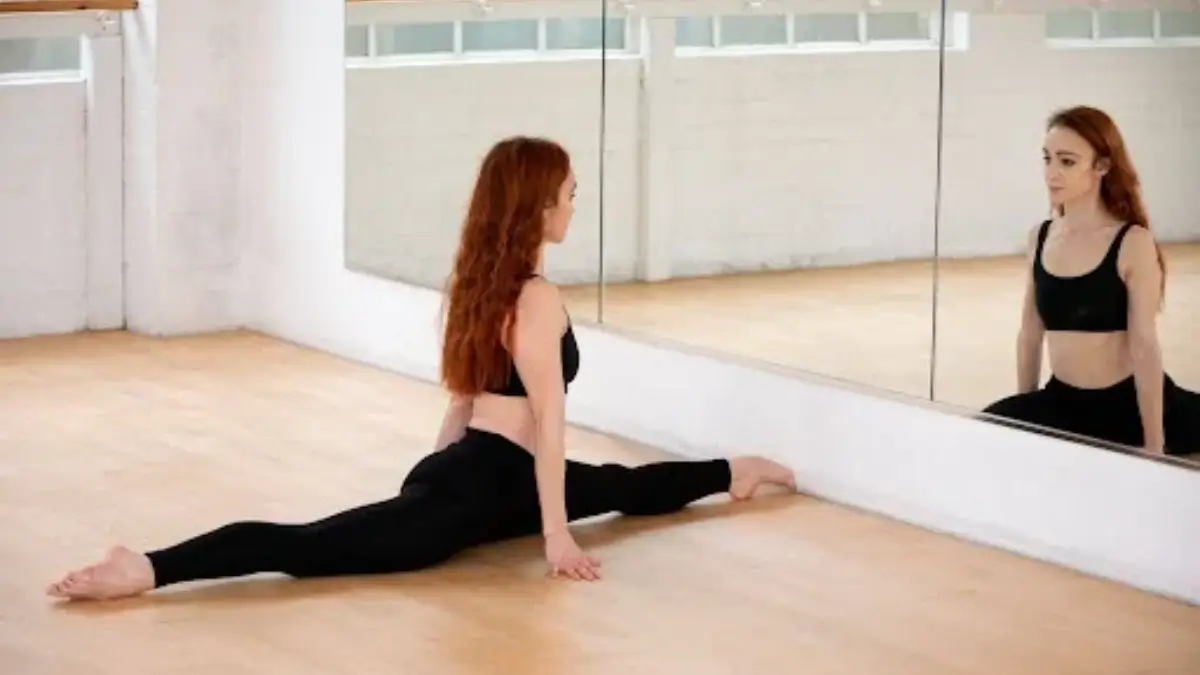
The class looks slow from the doorway, a row of adults holding onto a barre, bending and straightening their legs at an unhurried pace. It doesn’t look slow by the end. Legs start shaking somewhere around the twentieth plié, and the soreness that shows up the next morning, sometimes the morning after that, catches almost everyone who walked in expecting a gentle stretch.
Table of Contents
What Makes This Count as Ballet Fitness
That gap between how a class looks and how it actually feels is the whole premise behind ballet fitness as a workout format. Rather than building choreography for its own sake, classes borrow ballet’s barre work, pliés, tendus, relevés, fondus, and use the slow, controlled tempo to work muscles through a full range of motion. Wrist weights add resistance to arm movements, and a short mat-based segment at the end targets the core more directly.
Four Class Formats, Four Different Focuses
| Class | Focus | Best Suited For |
| Basics | Ballet fundamentals and vocabulary | Complete beginners |
| Classic | Conditioning, barre work, mat Pilates | Building strength and stamina |
| Advance | Centre work and jumps added | More experienced students |
| Stretch | Recovery and flexibility, 45 minutes | Easing soreness between sessions |
Why Beginner Ballet Doesn’t Require Dance Experience
The whole idea behind ballet beginner classes for adults is that nobody walks in already knowing what a plié or a tendu is. Instructors demonstrate each movement and talk through the steps as the class goes, which means the technical vocabulary gets picked up gradually rather than needed upfront. It helps that the instructors leading these sessions are former professional dancers themselves, having performed with Singapore Dance Theatre before co-founding the studio, so the corrections students get come from people who’ve actually danced the material at a professional level.
What a First Class Actually Feels Like
A typical hour moves through a warm-up, a stretch of barre work building in intensity, and a short mat segment to finish. Nothing about it is choreographed to look impressive from the outside; the point is repetition under control, which is exactly why legs end up shaking by the final set of pliés even though nothing about the movement looked dramatic a few minutes earlier.
The Benefits That Go Beyond the Workout Itself
Framing this purely as exercise undersells benefits of adult ballet that tend to show up away from the studio. The controlled, weight-bearing movement builds the kind of long, functional strength that supports posture and balance in everyday life, not just in a leotard. There’s also a mental component that’s easy to overlook, holding a sequence of precise, unfamiliar movements in a specific order asks for a kind of focus that doubles as a break from whatever else is on someone’s mind that day.
Why Wrist Weights Change the Workout More Than Expected
Adding wrist weights to arm movements sounds like a small detail, but it changes the character of the whole class. Arm sequences that would otherwise be purely about shape and placement suddenly ask the shoulders and upper back to work against resistance, turning what looks like a graceful port de bras into something closer to a slow-motion strength exercise. It’s one of the clearer examples of how this format borrows ballet’s vocabulary while quietly repurposing it for conditioning.
What Changes Between a Basics Class and a Classic One
The jump from Basics to Classic isn’t just a matter of moving faster or adding harder steps. Classic sessions assume the vocabulary from Basics is already familiar, which frees up class time to focus on conditioning, holding positions longer, repeating sequences more often, and layering in the mat Pilates segment at the end. Someone who rushes into Classic before the basic positions feel natural tends to spend more energy trying to remember the steps than actually conditioning the muscles those steps are meant to target.
Who Tends to Show Up for This
Classes draw a mix of complete beginners who never danced as children, adults returning to ballet after years away, and people simply looking for a workout format that isn’t another round of weights or running. None of these starting points matters much once the class begins; the barre doesn’t ask where anyone’s coming from, only that they’re willing to hold the position a little longer than feels comfortable.
Soreness a day or two later isn’t a sign something went wrong; it’s usually a sign the class worked muscles that don’t get much attention elsewhere, and that tends to ease within the first few sessions as the body adjusts to the movement pattern.
Curious what a first class actually involves before committing to a full package? Contact BalletBody to ask directly rather than guessing from a class description alone.


Ballet Classes for Adults Don’t Look Like a Workout Until the Next Morning

How to Stop Overthinking and Find More Mental Clarity

Why Hiring a Local Moving Company Saves You Time, Money, and Stress

A Holiday Self-Care Gift for Women Who Love Yoga and Want an Easier Way to Practice at Home

The Client Sent a Screenshot, Not a CAD File: Getting Started with RoomDesign Image to DXF Converter

Puppy Yoga in Los Angeles: What to Expect, How to Prepare, and Why It’s Worth Trying

Say Goodbye to Unsightly Concrete Cracks for Good

Everyday Strategies for Better Mental Wellness

Lash Line Enhancement in Raleigh, Answered: 12 Honest Questions Before You Book

How Physical Movement Supports Musculoskeletal Health Through Every Stage of Recovery

Why Hospital-Employed Physician Practices Keep Losing Money

Wearable Air Purifiers: A Closer Look at the Personal Clean-Air Trend

Preparing for Your Child’s First Dental Visit: A Practical Guide for Parents

What to Look for in a Pilates Studio or Instructor

Why Recurrent Cleaning Services Keep Homes Spotless All Year
-
 GENERAL1 year ago
Christofle – For Those Who Dream of Family Heirloom Silver
-
GENERAL11 months ago
Uncovering the World of кинокрадко: The Dark Side of Film Piracy
-
SPORTS4 months ago
Discover the World of Football with Streameast: Watch Your Favorite Leagues and Tournaments
-
HOME IMPROVEMENT2 years ago
Spacious and Stylish 300cm Round Rugs: Elegant and Modern Designs for a Chic Home Decor