
TIPS
How To Build a Back-Friendly Daily Routine In 2026

Key Takeaways
- Frequent, manageable movement breaks are often easier to sustain than dramatic routine changes.
- A back-friendly day includes mobility, strength, walking, recovery, and thoughtful lifting habits.
- There is no single perfect posture. Regular position changes can matter more than staying rigid.
- Your workstation, commute, sleep habits, and daily responsibilities can all affect comfort.
- New, severe, or worsening symptoms should be assessed by a qualified health professional.
Back comfort is rarely shaped by one moment alone. It is often influenced by the small things repeated throughout the day, including how long you sit, how you lift, how often you walk, and whether you give your body time to recover.
For people in the Denver metro area looking for individualized support with back discomfort, movement limits, sports-related concerns, or auto injury recovery, Denver Chiropractic, LLC is a Denver, Colorado practice in the Highlands neighborhood. Denver Chiropractic, LLC has provided chiropractic-focused care since 2009 and includes a multidisciplinary team with chiropractic, physical therapy, and other wellness experiences, making it a relevant local resource for people who want to discuss a personalized plan for staying active.
Table of Contents
Why Daily Habits Matter for Back Health
Back discomfort can build when the same positions or movements are repeated for hours. Sitting at a desk, driving, bending over laundry, carrying groceries, and lifting children may all add up. A desk worker, for example, may feel fine during a busy morning but become stiff when standing after several uninterrupted hours at a computer. Back pain can have more than one contributing factor, including work demands, sleep, stress, activity level, and prior injuries.
Start The Day with Gentle Movement
The first few minutes after waking are a useful time to ease into activity rather than rushing into deep bending or intense exercise. A simple routine can help you notice how your body feels before the day gets busy.
Suggested Morning Sequence
- Take several slow breaths while lying down or sitting upright.
- Walk around the room for two to five minutes.
- Try gentle pelvic tilts or controlled cat-cow movements.
- Move your hips, ankles, shoulders, and upper back comfortably.
- Stop if pain becomes sharp, spreads, or clearly worsens.
This should feel easy, not like a test of flexibility. The goal is simply to transition from rest to normal movement.
Set Up a More Supportive Workstation
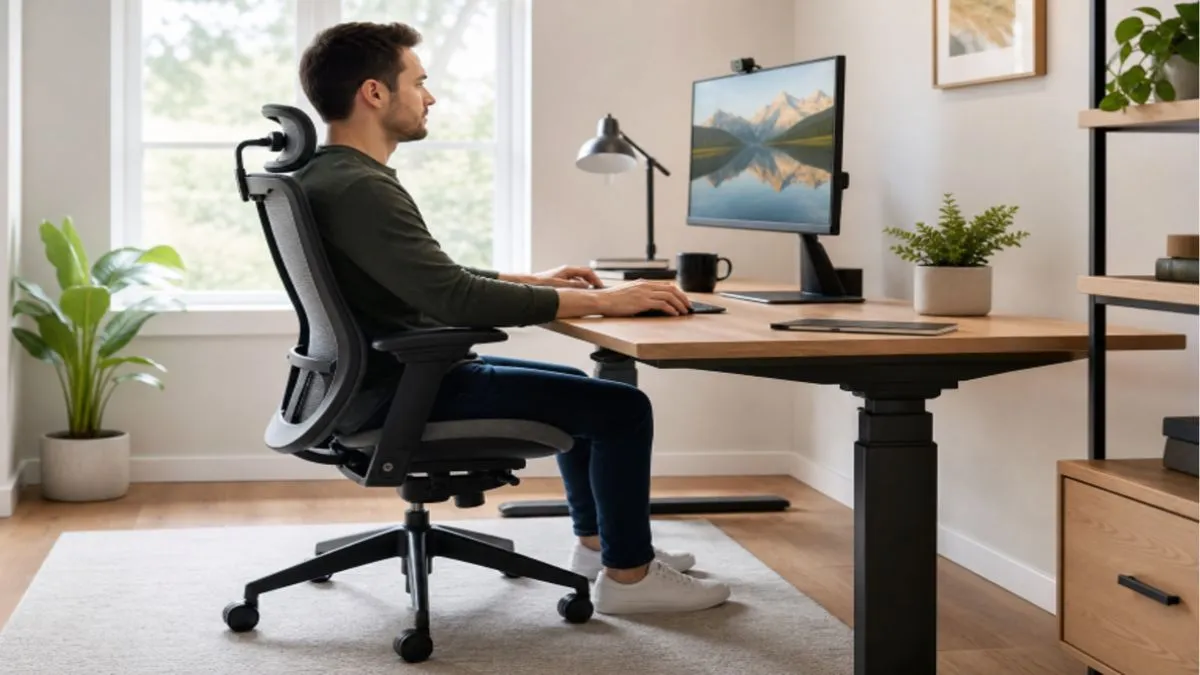
Workstation changes should support comfort, not force a stiff “perfect posture.” Keep your screen near eye level, place the keyboard and mouse close enough to avoid reaching, and rest both feet on the floor or a footrest. Choose a chair that lets you sit in a relaxed position with back support. An adjustable desk can be helpful for some people, but standing still all day is not the answer either. Change positions regularly.
Use Movement Breaks Before Pain Builds
Movement does not have to mean a long workout. Brief breaks can interrupt long periods of sitting and make activity feel more realistic. General guidance on back pain commonly emphasizes remaining active in daily life when appropriate, rather than prolonged bed rest. NCBI’s InformedHealth overview of movement and low back pain explains why regular activity and exercise can be useful for many people with recurring symptoms.
- Walk during a phone call.
- Stand for part of a meeting.
- Take five slow sit-to-stands.
- Walk around the home after meals.
- Use phone, calendar, or task reminders to change positions.
Build Basic Strength and Mobility
Mobility helps you move through a comfortable range. Strength helps your body manage everyday demands, such as stairs, carrying bags, and getting up from a chair. Start small with walking, glute bridges, bird-dog exercises, supported squats, wall sits, and gentle hip or upper-back mobility work. Increase repetitions gradually rather than doing too much after a long inactive period. If you have a recent injury, surgery, or persistent symptoms, ask a qualified professional which activities fit your situation.
Improve Lifting and Carrying Habits
Safe lifting is less about holding your back perfectly straight and more about control. Before lifting laundry baskets, luggage, sports equipment, grocery bags, or a child, check the weight and move close to the item. Bend through the hips and knees as needed, keep the load near your body, brace gently without holding your breath, and rise smoothly. Avoid twisting while carrying. For a large, heavy, or awkward object, asking for help is a smart decision.
Make Driving and Commuting Easier on the Back
Commuting can add another long sitting block to a desk-heavy day. Adjust the seat so the pedals are easy to reach and your knees remain slightly bent. Use a supportive backrest, and try a small lumbar cushion only if it improves comfort. On longer drives, take safe walking breaks when possible. Avoid twisting sharply to reach behind the seat. A few small adjustments can make the transition from car to work or home feel less jarring.
Support Recovery with Sleep and Stress Management
Sleep quality and stress can affect how tense, tired, and sensitive the body feels. There is no universal best sleeping position, so choose one that allows relaxed breathing and feels comfortable. A pillow between the knees or under the knees may help some people. Keep a regular sleep schedule when possible, and use calming habits such as slow breathing or a short walk to reduce tension. Rest can be useful during a flare-up, but complete inactivity for long periods may make restarting movement harder.
Know When to Seek Professional Guidance
Self-care is not appropriate for every type of back pain. Seek prompt medical attention for new or worsening weakness, loss of bladder or bowel control, numbness around the groin or inner thighs, severe pain after a fall or crash, fever, unexplained weight loss, or feeling seriously unwell. The National Institute of Arthritis and Musculoskeletal and Skin Diseases also notes that pain with numbness, tingling, or persistent symptoms deserves medical attention.
A Simple Weekly Plan
- Monday: Five minutes of morning mobility and a short walk.
- Tuesday: Check your workstation and take movement breaks.
- Wednesday: Complete light strength exercises and easy walking.
- Thursday: Practice gentle stretching, breathing, and position changes.
- Friday: Review lifting, carrying, and driving habits.
- Saturday: Choose a comfortable outdoor activity.
- Sunday: Focus on recovery, sleep planning, and preparing for the week.
Common Questions About Back-Friendly Routines
How Often Should You Move During a Workday?
Change positions regularly instead of waiting for severe stiffness. Use natural reminders, such as calls, meetings, meals, and bathroom breaks.
Is Stretching Enough?
Stretching may support mobility, but a balanced routine also includes walking, strength, coordination, and recovery.
Should You Exercise When Your Back Hurts?
Gentle movement may suit mild aches, but stop and seek guidance for sharp, spreading, or worsening pain.
Conclusion
Back care does not require a flawless routine. A few minutes of morning movement, regular walking, better lifting habits, and a more comfortable workspace can create a practical starting point. Build gradually, pay attention to changes in symptoms, and seek professional guidance when self-care is not enough.


How To Build a Back-Friendly Daily Routine In 2026

Back Casting Room: Definition, Setup & Best Practices

What Entrepreneurs Can Learn From the MAKE Wellness Growth Strategy

Why More People Are Choosing 1-to-1 Personal Training

Streaming Your Workouts at Home: How to Build the Perfect Fitness Setup

Social Media Scheduler Guide: Features, Benefits, Best Practices & Tools

Eagle Pose: Quick and Easy Guide

Happy Baby Pose: Benefits, Steps, and Tips for Beginners

Detoxify Your Body and Mind with Dragon Pose: A Step-by-Step Guide

HGH Peptides Buy Online: What to Know Before You Buy Peptides

Printed Mailer Boxes: How Printed Mailer Boxes Improve the Unboxing Experience

How Influencer Packaging Campaigns Boost Brand Awareness

How Outdoor Activities Improve Retirement Quality of Life

Why Businesses Trust TekRevol for Healthcare App Development

Flemington’s Complete Healthcare Network: Top Providers Working Together for Community Wellness
-
 GENERAL1 year ago
Christofle – For Those Who Dream of Family Heirloom Silver
-
SPORTS1 year ago
Discover the World of Football with Streameast: Watch Your Favorite Leagues and Tournaments
-
GENERAL7 months ago
Uncovering the World of кинокрадко: The Dark Side of Film Piracy
-
GENERAL4 months ago
Unveiling the Art of преводсч: How Translators Bridge Language Barriers