
HEALTH AND FITNESS
Knee Pain: Common Causes and When to See a doctor

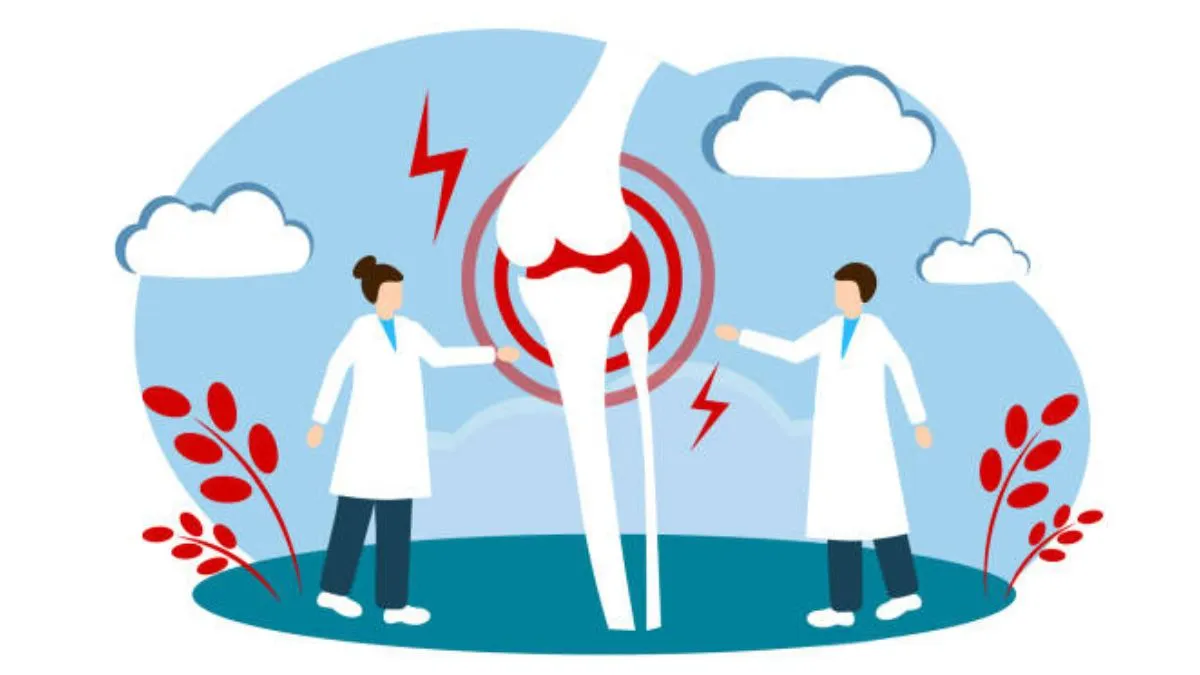
Knee pain can affect walking, climbing stairs, exercise, work, and daily movement. It may develop suddenly after an injury or appear gradually over time due to strain, joint changes, inflammation, or underlying medical conditions.
The knee is a weight-bearing joint made up of bones, cartilage, ligaments, tendons, muscles, and fluid-filled structures that support movement. Because many structures work together, pain may come from different parts of the knee or from more than one cause.
Understanding common causes of knee pain and treatment considerations can help readers recognise when symptoms may be managed with early care and when medical review may be needed.
Why Knee Pain Happens
Knee pain may happen when one or more structures in the knee are irritated, injured, inflamed, or worn down. Pain may come from the joint surface, cartilage, ligaments, tendons, muscles, or surrounding soft tissues.
Some people experience knee pain after a clear injury, such as a fall, twist, impact, or sports-related movement. Others may develop pain slowly due to repeated stress, ageing-related changes, body weight, previous injuries, or activity patterns.
Knee pain may feel sharp, aching, stiff, unstable, swollen, or sore. The pattern of pain can help guide assessment, but a proper review may be needed when symptoms persist or affect daily movement.
Common Causes of Knee Pain
Knee pain can have different causes depending on the patient’s age, activity level, medical history, injury history, and symptoms. Some of the more common causes include arthritis, ligament injuries, meniscus problems, tendon irritation, bursitis, kneecap-related pain, and overuse.
In Singapore, knee pain may be seen among office workers who sit for long hours, older adults with joint changes, people who exercise regularly, and those whose work requires prolonged standing, kneeling, lifting, or walking.
The cause may not always be obvious from pain alone, especially when swelling, stiffness, clicking, locking, or instability is present.
Knee Pain From Arthritis
Arthritis is a common cause of knee pain, especially in older adults. It may happen when the joint surface becomes irritated, inflamed, or affected by wear-related changes.
Knee arthritis may cause:
- Pain while walking or climbing stairs
- Joint stiffness, especially after rest
- Swelling around the knee
- Reduced movement
- A grinding or creaking sensation
- Pain that worsens after activity
- Difficulty standing for long periods
Arthritis-related knee pain may develop gradually. Some patients may notice good and bad days, while others may experience persistent discomfort that affects mobility.
Treatment depends on severity, function, age, health, and the level of joint change. Non-surgical treatment may be discussed first in many cases, although further intervention may be considered if symptoms remain difficult to manage.
Knee Pain After Injury
Knee pain after an injury may occur after a fall, twist, sudden stop, awkward landing, direct impact, or sports-related movement. Injuries can affect ligaments, cartilage, tendons, muscles, or bone.
Patients should pay attention to symptoms such as swelling, bruising, difficulty bearing weight, instability, or a popping sensation at the time of injury.
Knee injuries may include:
- Ligament sprains or tears
- Meniscus tears
- Tendon injuries
- Bone bruising
- Fractures
- Kneecap dislocation
- Soft tissue strain
Some injuries may improve with appropriate care, while others may need imaging, specialist assessment, or treatment to prevent ongoing pain or instability.
Meniscus Problems and Knee Pain
The meniscus is a C-shaped cartilage structure that helps cushion and stabilise the knee. Meniscus problems may occur after a twisting injury or may develop gradually due to wear-related changes.
Meniscus-related symptoms may include:
- Pain along the inner or outer side of the knee
- Swelling
- Clicking or catching
- Locking sensation
- Pain when squatting or twisting
- Difficulty fully bending or straightening the knee
Not every meniscus tear needs surgery. Treatment depends on the type of tear, symptom severity, knee function, age, activity level, and whether there are other knee conditions present.
Ligament Injuries and Knee Instability
The knee ligaments help keep the joint stable. Ligament injuries may occur during sports, falls, sudden direction changes, or direct impact.
A ligament injury may cause pain, swelling, bruising, and a feeling that the knee may give way. Some patients may hear or feel a pop at the time of injury.
Ligament injuries can affect daily activities if the knee feels unstable when walking, turning, using stairs, or returning to exercise. Medical review may be needed to assess the extent of injury and whether rehabilitation, bracing, imaging, or further treatment is appropriate.
Tendon-Related Knee Pain
Tendons connect muscles to bone and help move the knee. Tendon-related knee pain may occur from overuse, repeated jumping, running, kneeling, or sudden increases in activity.
Tendon pain may appear at the front of the knee, below the kneecap, above the kneecap, or around the side of the knee depending on which tendon is involved.
Symptoms may include pain during exercise, tenderness, stiffness after rest, or discomfort when climbing stairs. Treatment may involve activity modification, strengthening exercises, physiotherapy, medication where appropriate, or further assessment if symptoms persist.
Kneecap-Related Pain
Pain around or behind the kneecap may occur when the kneecap does not move smoothly, when surrounding muscles are imbalanced, or when the joint is irritated.
Kneecap-related pain may feel worse when:
- Climbing stairs
- Squatting
- Kneeling
- Running
- Sitting for long periods
- Standing up from a chair
Some people may describe the pain as being at the front of the knee. Others may notice clicking, grinding, or discomfort after exercise. Assessment may focus on knee alignment, muscle strength, movement patterns, and activity habits.
Knee Pain and Swelling
Swelling may occur after injury, inflammation, arthritis, or internal knee irritation. It may develop quickly after trauma or gradually over time.
Swelling can make the knee feel tight, heavy, stiff, or difficult to bend. It may also affect walking, stairs, or kneeling.
Patients should seek medical review if swelling is significant, worsening, associated with fever, follows an injury, or makes it difficult to bear weight. Persistent swelling may need assessment to identify the underlying cause.
Knee Pain When Walking or Climbing Stairs
Knee pain during walking or stair climbing can be caused by arthritis, kneecap-related pain, tendon irritation, meniscus problems, ligament injury, or muscle weakness.
Pain when going downstairs may suggest stress around the kneecap or joint surface. Pain when climbing stairs may involve the front of the knee, tendon structures, or joint loading.
Patients should note when the pain occurs, where it is felt, how long it lasts, and whether there is swelling, stiffness, clicking, or instability. These details can help guide assessment.
Knee Pain Without a Clear Injury
Not all knee pain starts with an injury. Pain may develop gradually due to repeated strain, arthritis, tendon irritation, posture, movement patterns, body weight, or previous joint changes.
Knee pain without injury may still need review if it persists, worsens, limits movement, or affects work, exercise, or sleep.
Patients should avoid assuming that gradual knee pain is only due to ageing. Some causes may respond to early treatment, strengthening, activity changes, or targeted care.
How a Pain Specialist May Assess Knee Pain
A pain specialist may begin by reviewing the symptoms, activity level, medical history, injury history, and how knee pain affects daily life.
The assessment may include questions about:
- When the pain started
- Where the pain is located
- Whether there was an injury
- Whether swelling is present
- Whether the knee locks, clicks, or gives way
- What movements worsen the pain
- Whether there is numbness or weakness
- Past knee injuries or surgery
- Work, sport, and exercise habits
- Medical conditions or medication use
The physical examination may include checking movement, tenderness, swelling, knee stability, walking pattern, and signs of inflammation. Imaging such as X-ray, ultrasound, or MRI may be discussed if needed.
Treatment Considerations for Knee Pain
Treatment depends on the cause of knee pain, severity, function, age, activity level, medical history, and whether a pain specialist identifies signs of injury, inflammation, or nerve-related involvement.
Treatment options may include:
- Activity modification
- Rest from aggravating activities
- Physiotherapy
- Strengthening exercises
- Medication, where appropriate
- Weight management guidance, if relevant
- Bracing or support in selected cases
- Injections in selected cases
- Interventional pain procedures
- Imaging or further assessment
- Surgery in selected cases
Many cases of knee pain are managed without surgery, especially when symptoms are mild or related to strain, early joint changes, or overuse. Surgery may be discussed when there is a structural injury, significant joint damage, persistent symptoms, or instability that does not improve with appropriate care.
When to See a Doctor for Knee Pain
Patients should consider medical review when knee pain persists, worsens, or affects movement. Early assessment may help identify the cause and guide treatment before symptoms interfere further with daily activities.
Medical review may be needed if knee pain:
- Lasts more than a few days without improvement
- Affects walking or climbing stairs
- Causes swelling
- Follows a fall, twist, or direct injury
- Causes the knee to give way
- Comes with locking or catching
- Makes it difficult to bear weight
- Affects sleep, work, or exercise
- Keeps returning despite rest
- Occurs with redness, warmth, or fever
In Singapore, knee pain can affect commuting, work routines, exercise, caregiving, and mobility in daily life. When symptoms begin limiting these activities, a medical review may help clarify the cause and next steps.
When Knee Pain May Be Urgent
Some knee symptoms may need urgent medical attention.
Patients should seek prompt review if they have:
- Severe pain after injury
- Inability to bear weight
- Significant swelling after trauma
- Visible deformity
- Fever with a red, swollen knee
- Sudden calf swelling or severe calf pain
- Loss of movement
- Numbness or weakness
- Signs of infection near the knee
- Pain that rapidly worsens
Urgent assessment may be needed to rule out fracture, infection, severe ligament injury, blood clot, or other conditions requiring prompt care.
Knee pain may come from many causes, including arthritis, injury, meniscus problems, ligament injuries, tendon irritation, kneecap-related pain, swelling, or repeated strain. The pattern of pain, related symptoms, activity history, and physical assessment can help determine the likely cause.
Patients should see a doctor if knee pain persists, worsens, causes swelling, affects walking, follows an injury, or comes with locking, instability, fever, or difficulty bearing weight. Treatment depends on the cause and may include activity changes, physiotherapy, medication, injections, interventional pain procedures, further assessment, or surgery in selected cases.


Bebasinindo: Championing Freedom in Indonesia

Ankwave: Future of Connectivity with Energy-Efficient Solutions

Afruimwagens: Efficient Mobile Carts for Workspaces

Understanding Formula 1 Standings and Championship Rankings

Do Cats Fart? A Scientific and Behavioral Look at Feline Gas

Hatha Yoga: Balancing Body, Mind, and Energy

Wave_of_Happy_: Cultivating a Positive Mindset for Lasting Joy

Gamer Challenger: Definition, Role, and Competitive Focus

Slope Unblocked: Free Online 3D Ball Running Game

Brand Name Normalization Rules: A Complete Practical Guide

Veneajelu: The Finnish Art of Peaceful Summer Boating

The Journey of iamnobody89757: From Anonymous User to Internet Sensation

Adsy.pw/hb3: The Future of High-Impact Digital Advertising

Soutaipasu: Understanding Relative Paths in Computing

Omaha, Nebraska Mental Health Routines for School, Work, and Changing Seasons
-
 GENERAL1 year ago
Christofle – For Those Who Dream of Family Heirloom Silver
-
GENERAL9 months ago
Uncovering the World of кинокрадко: The Dark Side of Film Piracy
-
SPORTS2 months ago
Discover the World of Football with Streameast: Watch Your Favorite Leagues and Tournaments
-
HOME IMPROVEMENT2 years ago
Spacious and Stylish 300cm Round Rugs: Elegant and Modern Designs for a Chic Home Decor