
HEALTH AND FITNESS
When Should You See a Fertility Specialist?

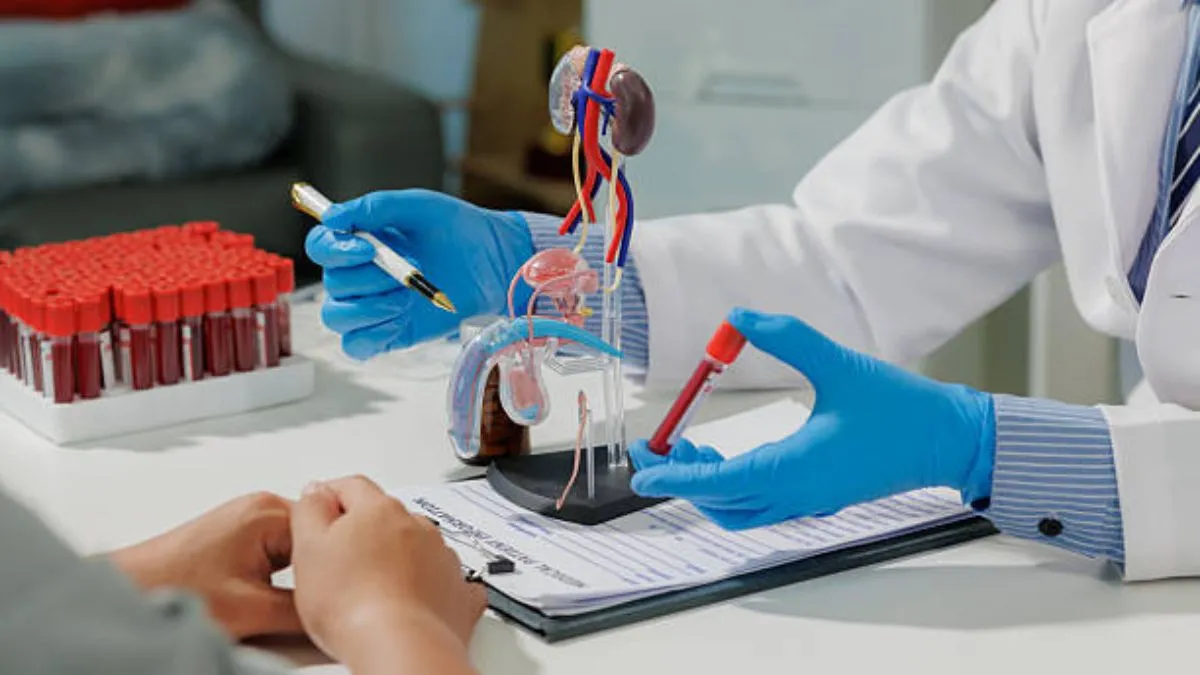
Trying to conceive can take time. Some couples may become pregnant within a few months, while others may need longer. However, if pregnancy has not occurred after a certain period of regular unprotected intercourse, or if there are known medical concerns that may affect fertility, it may be time to seek assessment.
A fertility specialist assesses factors that may affect conception, including ovulation, ovarian reserve, fallopian tube function, sperm health, uterine conditions, age-related fertility changes, and medical history. Both female and male factors can contribute to fertility difficulties, so assessment often involves both partners where applicable.
Table of Contents
What Does a Fertility Specialist Do?
A fertility specialist is a doctor who assesses and manages difficulties with conception. Fertility care may involve identifying why pregnancy has not occurred, checking reproductive health, discussing treatment options, and supporting patients through fertility planning.
A fertility specialist may assess:
- Ovulation
- Menstrual cycle patterns
- Ovarian reserve
- Fallopian tube patency
- Uterine conditions
- Endometriosis
- Polycystic ovary syndrome
- Fibroids or polyps
- Previous pregnancy loss
- Male factor fertility concerns
- Semen analysis results
- Age-related fertility considerations
- Fertility preservation needs
The assessment may guide whether timed intercourse, ovulation induction, intrauterine insemination, in vitro fertilisation, surgery, or other options may be suitable.
When Should You See a Fertility Specialist?
A common guide is to seek fertility assessment after 12 months of regular unprotected intercourse if the female partner is below 35 years old.
If the female partner is 35 years or older, assessment is often considered after 6 months of trying. This is because fertility changes with age, and earlier review may help patients understand their options.
Some patients should seek assessment earlier, regardless of age, especially if there are known medical conditions, irregular cycles, previous pelvic disease, suspected male factor concerns, or recurrent pregnancy loss.
1. You Have Been Trying for 12 Months Without Pregnancy
If pregnancy has not occurred after 12 months of regular unprotected intercourse, fertility assessment may be recommended.
Regular unprotected intercourse generally means having intercourse without contraception, especially around the fertile window. However, timing can be difficult to estimate for women with irregular cycles.
A fertility consultation can help assess whether there are factors affecting ovulation, egg supply, sperm quality, fallopian tube function, or the uterus.
2. You Are 35 or Older and Have Been Trying for 6 Months
Age is an important factor in fertility planning. For women aged 35 and above, earlier assessment may be advisable if pregnancy has not occurred after 6 months of trying.
This does not mean pregnancy is not possible after 35. It means assessment may be useful sooner because fertility and egg numbers change with age.
A fertility specialist may discuss ovarian reserve testing, ovulation, fallopian tube assessment, semen analysis, and suitable treatment options based on age and medical history.
3. You Are Over 40 and Planning Pregnancy
Women over 40 may wish to seek fertility advice earlier, even before trying for a long period. Fertility assessment can help clarify ovarian reserve, cycle patterns, and treatment options.
A consultation may also cover pregnancy-related risks, preconception health, genetic screening discussions, and whether assisted reproductive treatment may be considered.
4. Your Periods Are Irregular or Absent
Irregular or absent periods may suggest irregular ovulation. If ovulation does not occur regularly, timing intercourse can be difficult, and pregnancy may take longer.
You may consider fertility assessment if your periods are:
- Frequently missed
- More than 35 days apart
- Very unpredictable
- Absent for several months
- Associated with acne or excess hair growth
- Associated with significant weight changes
- Associated with difficulty conceiving
Possible causes include polycystic ovary syndrome, thyroid conditions, raised prolactin, ovarian reserve changes, stress, weight changes, or other hormonal conditions.
5. You Have Very Painful Periods or Suspected Endometriosis
Painful periods can have several causes. However, severe period pain, pelvic pain, pain during sex, pain during bowel movements, or pain that worsens over time may suggest endometriosis or another pelvic condition.
Endometriosis may affect fertility in some women. Assessment may involve history taking, pelvic examination where appropriate, ultrasound, and discussion of treatment options.
Seek earlier review if pain affects daily activities, requires frequent medication, or is associated with difficulty conceiving.
6. You Have a History of Pelvic Infection or Fallopian Tube Concerns
The fallopian tubes allow the egg and sperm to meet. If the tubes are blocked or damaged, natural conception may be affected.
Earlier fertility assessment may be useful if you have a history of:
- Pelvic inflammatory disease
- Previous sexually transmitted infection
- Ectopic pregnancy
- Pelvic surgery
- Appendicitis with complications
- Known blocked fallopian tubes
- Endometriosis-related pelvic scarring
A fertility specialist may recommend tests to check fallopian tube patency, depending on the clinical history.
7. You Have Fibroids, Polyps, or Uterine Conditions
Some uterine conditions may affect implantation, bleeding patterns, or pregnancy planning. Not all fibroids or polyps affect fertility, but their size, number, and location may matter.
Assessment may be helpful if you have:
- Known fibroids
- Known endometrial polyps
- Heavy menstrual bleeding
- Recurrent miscarriage
- Previous uterine surgery
- Abnormal bleeding between periods
- Suspected uterine cavity changes
A pelvic ultrasound or other imaging may be recommended to assess the uterus.
8. You Have Had Recurrent Pregnancy Loss
A miscarriage can be emotionally difficult, and many people can still have a future pregnancy. However, repeated pregnancy loss should be assessed.
Fertility or recurrent miscarriage assessment may include review of:
- Pregnancy history
- Age
- Uterine structure
- Hormonal factors
- Genetic factors where relevant
- Blood clotting or immune-related considerations in selected cases
- Sperm factors
- Existing medical conditions
Patients should seek medical advice to understand whether further tests are appropriate.
9. There May Be Male Factor Fertility Concerns
Fertility assessment should not focus only on the female partner. Male factor concerns can contribute to difficulty conceiving.
A semen analysis may be recommended to assess sperm count, movement, and shape. Earlier review may be useful if the male partner has:
- Previous testicular surgery
- History of undescended testes
- Testicular injury
- Previous infection affecting the reproductive tract
- Erectile or ejaculation concerns
- Previous chemotherapy or radiotherapy
- Varicocele
- Hormonal concerns
- Known abnormal semen analysis
- Certain medication or anabolic steroid use
Testing both partners early can help avoid delays in identifying possible factors.
10. You Have a Known Medical Condition That May Affect Fertility
Some medical conditions may affect ovulation, hormones, sperm health, pregnancy planning, or treatment choices.
These may include:
- Polycystic ovary syndrome
- Endometriosis
- Thyroid disease
- Diabetes
- Autoimmune conditions
- Premature ovarian insufficiency
- Previous cancer treatment
- Chronic kidney or liver disease
- Significant weight changes
- Eating disorders
- Certain genetic conditions
Patients with known medical issues may benefit from early preconception or fertility consultation.
11. You Are Planning Treatment That May Affect Fertility
Some treatments can affect egg or sperm production. If you are planning chemotherapy, radiotherapy, certain surgeries, or long-term medication that may affect fertility, early fertility preservation advice may be useful.
Options may include egg freezing, sperm freezing, embryo freezing, or ovarian tissue freezing in selected situations. The suitable option depends on urgency, age, medical condition, treatment plan, and personal circumstances.
12. You Want to Understand Fertility Before Trying
Some individuals or couples may seek fertility advice before trying to conceive, especially if they are older, have medical conditions, have irregular periods, or want to plan around treatment, work, or family goals.
A fertility consultation may include:
- Preconception health review
- Menstrual cycle discussion
- Ovarian reserve testing
- Ultrasound
- Semen analysis discussion
- Vaccination or medication review
- Lifestyle and nutrition advice
- Timing intercourse guidance
- Discussion of treatment options if needed
This can help patients understand their reproductive health and next steps.
What Happens During a Fertility Consultation?
A fertility consultation usually begins with a detailed history from one or both partners.
The doctor may ask about:
- How long you have been trying to conceive
- Frequency and timing of intercourse
- Menstrual cycle pattern
- Previous pregnancies or miscarriages
- Past contraception use
- Medical conditions
- Previous surgeries
- Pelvic infections
- Sexual health history
- Medication and supplement use
- Lifestyle factors
- Family history
- Previous fertility tests or treatments
For couples, both partners should attend where possible, as fertility assessment often involves both female and male factors.
Common Fertility Tests
Fertility tests depend on the patient’s age, history, and symptoms. Not every patient needs every test.
Tests may include:
- Blood tests for hormone levels
- Ovarian reserve tests such as AMH
- Ultrasound to assess ovaries and uterus
- Ovulation assessment
- Fallopian tube patency test
- Semen analysis
- Thyroid or prolactin tests where relevant
- Infection screening where appropriate
- Further imaging or procedures if uterine concerns are suspected
The doctor should explain what each test checks and how the result may guide treatment.
Possible Fertility Treatment Options
Treatment depends on the cause of fertility difficulty and the couple’s goals. Some patients may need monitoring or simple medication, while others may need assisted reproductive treatment.
Options may include:
- Timed intercourse guidance
- Ovulation induction medication
- Follicle tracking
- Intrauterine insemination
- In vitro fertilisation
- Intracytoplasmic sperm injection in selected male factor cases
- Surgery for selected uterine, tubal, endometriosis, or fibroid concerns
- Fertility preservation
- Donor gamete discussion where legally and clinically applicable
Suitability depends on age, ovarian reserve, sperm results, tube function, medical history, and local regulations.
Lifestyle and Preconception Factors
Lifestyle changes cannot address every fertility concern, but they may support general reproductive health.
Patients may discuss:
- Folic acid supplementation before pregnancy
- Smoking cessation
- Alcohol reduction
- Weight management where relevant
- Regular physical activity
- Sleep and stress management
- Medication review
- Vaccination status
- Chronic condition control
- Timing intercourse around ovulation
Patients should seek personalised advice if they have medical conditions, dietary restrictions, or previous pregnancy complications.
Costs, Insurance, and Funding Considerations in Singapore
Fertility assessment and treatment costs in Singapore vary depending on consultation, tests, medication, ultrasound monitoring, procedures, laboratory services, and treatment type.
Patients may ask:
- What tests are recommended first?
- What are the consultation and test fees?
- Are ultrasound scans charged separately?
- What are the estimated costs for IUI or IVF if needed?
- Are medications billed separately?
- Are there co-funding, MediSave, or insurance considerations?
- What out-of-pocket payment may be expected?
- Are follow-up visits included in package fees?
Patients should check directly with the clinic, hospital, and insurer because eligibility and coverage depend on individual circumstances and current policy terms.
Questions to Ask a Fertility Specialist
Patients may wish to ask:
- Why has pregnancy not occurred yet?
- What tests do both partners need?
- Am I ovulating regularly?
- What does my ovarian reserve result mean?
- Do my fallopian tubes need to be checked?
- Does my partner need a semen analysis?
- Are there signs of PCOS, endometriosis, fibroids, or uterine concerns?
- What treatment options are suitable?
- Should we consider IUI or IVF?
- How does age affect our treatment plan?
- What are the risks and side effects of treatment?
- How many cycles may be considered before reviewing the plan?
- What costs should we expect?
These questions can help patients understand the assessment and treatment pathway.
When to Seek Earlier Medical Advice
You may wish to seek earlier fertility assessment if:
- You are 35 or older and have been trying for 6 months
- You are over 40 and planning pregnancy
- Periods are irregular or absent
- Period pain is severe
- There is known endometriosis
- There is known PCOS
- There are known fibroids or uterine concerns
- There has been pelvic infection or ectopic pregnancy
- There has been repeated pregnancy loss
- There are known male fertility concerns
- Either partner has had cancer treatment
- Either partner has a medical condition that may affect fertility
Early assessment does not mean treatment must start immediately. It can help patients understand their situation and options.
You may consider seeing a fertility specialist if pregnancy has not occurred after 12 months of regular unprotected intercourse when the female partner is below 35, or after 6 months when the female partner is 35 or older. Earlier assessment may be suitable if there are irregular periods, suspected ovulation problems, endometriosis, PCOS, fallopian tube concerns, fibroids, recurrent miscarriage, male factor concerns, or medical conditions that may affect fertility.
Fertility assessment often involves both partners. It may include blood tests, ultrasound, ovulation assessment, fallopian tube testing, and semen analysis. Treatment options may range from timed intercourse and ovulation induction to IUI, IVF, surgery, or fertility preservation where suitable.
Patients in Singapore should ask about recommended tests, treatment options, costs, funding considerations, and follow-up before starting care.
This article is for general information only and should not replace medical advice from a qualified healthcare professional.
FAQ
When should I see a fertility specialist?
You may consider seeing a fertility specialist after 12 months of regular unprotected intercourse if the female partner is below 35, or after 6 months if the female partner is 35 or older. Earlier assessment may be suitable if there are known fertility-related concerns.
Should both partners attend a fertility consultation?
Yes, where possible. Fertility difficulties may involve female factors, male factors, or both. Assessment often includes discussion and testing for both partners.
What tests are done during fertility assessment?
Tests may include hormone blood tests, ovarian reserve testing, pelvic ultrasound, ovulation assessment, fallopian tube testing, and semen analysis.
Do irregular periods affect fertility?
Irregular periods may suggest irregular ovulation, which can make conception timing difficult. A doctor can assess possible causes such as PCOS, thyroid conditions, or other hormonal factors.
Does seeing a fertility specialist mean I need IVF?
No. Fertility care may involve timed intercourse guidance, ovulation induction, IUI, surgery for selected conditions, IVF, or monitoring. Treatment depends on the diagnosis and patient goals.
Can men have fertility problems too?
Yes. Male factor fertility concerns can involve sperm count, movement, shape, hormone issues, sexual function, previous infections, testicular conditions, or prior medical treatment. Semen analysis is often part of assessment.


What a Transparent Chiropractic Fee Structure Covers

What Is a Medical Pedicure? Why Podiatrist Foot Care Matters Most

Bebasinindo: Championing Freedom in Indonesia

Ankwave: Future of Connectivity with Energy-Efficient Solutions

Afruimwagens: Efficient Mobile Carts for Workspaces

Understanding Formula 1 Standings and Championship Rankings

Do Cats Fart? A Scientific and Behavioral Look at Feline Gas

Hatha Yoga: Balancing Body, Mind, and Energy

Wave_of_Happy_: Cultivating a Positive Mindset for Lasting Joy

Gamer Challenger: Definition, Role, and Competitive Focus

Slope Unblocked: Free Online 3D Ball Running Game

Brand Name Normalization Rules: A Complete Practical Guide

Veneajelu: The Finnish Art of Peaceful Summer Boating

The Journey of iamnobody89757: From Anonymous User to Internet Sensation

Adsy.pw/hb3: The Future of High-Impact Digital Advertising
-
 GENERAL1 year ago
Christofle – For Those Who Dream of Family Heirloom Silver
-
GENERAL9 months ago
Uncovering the World of кинокрадко: The Dark Side of Film Piracy
-
SPORTS2 months ago
Discover the World of Football with Streameast: Watch Your Favorite Leagues and Tournaments
-
HOME IMPROVEMENT2 years ago
Spacious and Stylish 300cm Round Rugs: Elegant and Modern Designs for a Chic Home Decor