
HEALTH AND FITNESS
Knee Specialist in Singapore: When to Book an Appointment

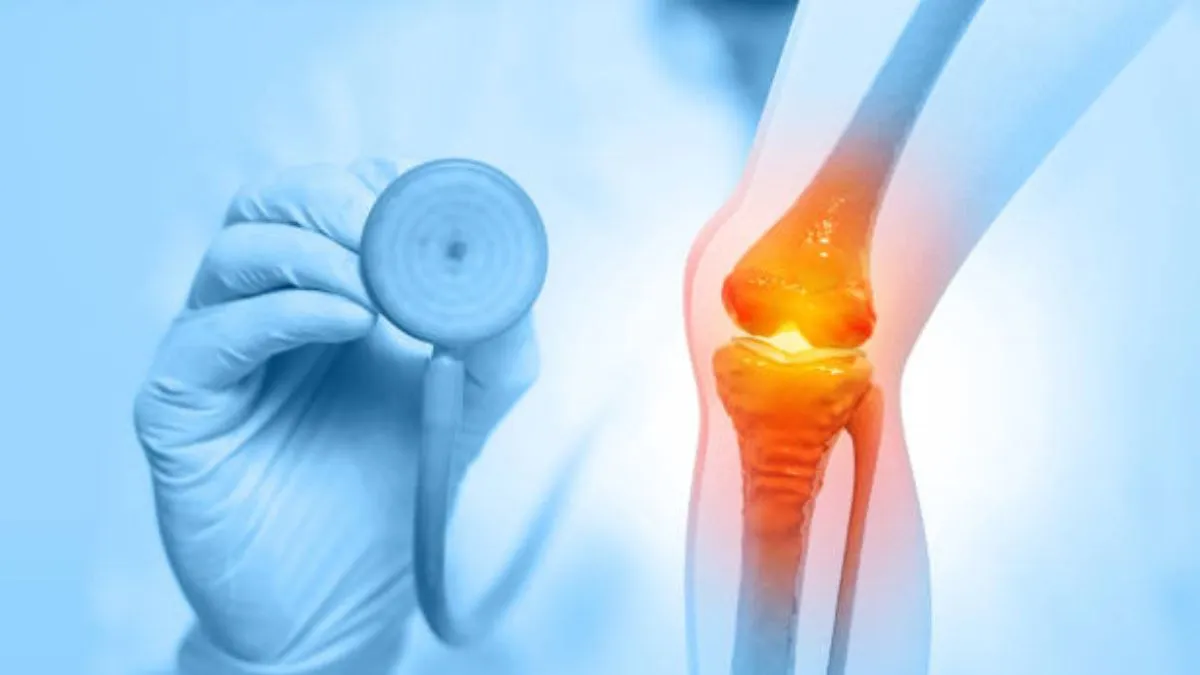
Knee pain can affect walking, climbing stairs, exercise, work, sleep, and daily activities. Some knee symptoms may improve with rest, activity modification, and simple self-care. Others may need medical assessment, especially if pain persists, swelling develops, the knee feels unstable, or movement becomes limited.
A knee specialist in Singapore usually refers to an orthopaedic doctor who assesses and treats knee conditions. These may include sports injuries, ligament tears, meniscus tears, cartilage damage, knee arthritis, fractures, kneecap problems, and pain related to overuse or ageing.
Table of Contents
What Does a Knee Specialist Treat?
A knee specialist may assess problems involving the bones, cartilage, ligaments, tendons, muscles, kneecap, and joint lining of the knee.
Common knee conditions include:
- Knee arthritis
- Meniscus tears
- ACL injuries
- MCL injuries
- PCL and LCL injuries
- Patella dislocation
- Kneecap tracking problems
- Cartilage injuries
- Tendon injuries
- Knee fractures
- Sports-related knee injuries
- Knee pain from running or exercise
- Swelling after injury
- Knee locking or catching
- Knee instability
The right treatment depends on the diagnosis, severity, patient age, activity level, medical history, imaging findings, and treatment goals.
When Should You Book an Appointment?
You may consider booking an appointment with a knee specialist if knee symptoms persist, worsen, or affect movement and daily function. Medical assessment may help identify the cause and guide suitable treatment.
Common reasons to seek assessment include the following.
1. Knee Pain That Does Not Settle
Mild knee pain after exercise or daily activity may improve with rest. However, knee pain that persists, returns frequently, or worsens over time should be assessed.
Medical review may be advisable if pain:
- Lasts for several days or weeks
- Affects walking or stairs
- Causes limping
- Keeping returning after activity
- Does not improve with rest
- Affects sleep
- Limits work, exercise, or daily movement
Persistent pain may be related to cartilage wear, tendon irritation, ligament injury, meniscus problems, arthritis, or other knee conditions.
2. Swelling Around the Knee
Knee swelling may occur after injury, overuse, inflammation, arthritis, infection, or internal joint damage. Sudden swelling after a twist, fall, or sports injury may suggest a ligament injury, meniscus tear, fracture, or cartilage injury.
You should consider medical assessment if swelling:
- Appears suddenly after injury
- Does not settle
- Returns after activity
- Is associated with pain or stiffness
- Limits knee movement
- Occurs with warmth, redness, or fever
Swollen with fever, severe pain, or warmth around the joint should be assessed promptly.
3. Knee Locking, Catching, or Getting Stuck
A knee that locks, catches, or feels stuck may indicate a problem inside the joint. Some patients may feel that they cannot straighten or bend their knees fully.
Possible causes include:
- Meniscus tear
- Loose cartilage or bone fragment
- Joint surface injury
- Swelling inside the knee
- Mechanical irritation within the joint
A knee that cannot straighten fully after an injury should be assessed, especially if there is pain or swelling.
4. Knee Giving Way or Feeling Unstable
A knee that gives way may feel unreliable during walking, turning, stairs, or sport. This may happen after a ligament injury or due to weakness, pain, swelling, or kneecap instability.
Instability may be described as:
- The knee buckling
- The knee shifting during movement
- Difficulty trusting the knee
- Giving way during sport
- Instability when going downstairs
- Recurrent kneecap slipping
Medical assessment may help determine whether the issue is related to ligament injury, kneecap instability, muscle weakness, or another cause.
5. Knee Pain After a Sports Injury
Sports that involve pivoting, jumping, sprinting, sudden stopping, or contact can place stress on the knee. Injuries may happen during football, basketball, netball, running, badminton, tennis, martial arts, or gym training.
Book an appointment if a sports injury causes:
- A popping sensation
- Sudden swelling
- Difficulty continuing sport
- Pain when bearing weight
- Knee instability
- Locking or catching
- Loss of movement
- Pain that does not settle after rest
Some sports injuries may need imaging and structured rehabilitation. Others may need surgical assessment, depending on severity and activity goals.
6. Knee Pain After a Fall or Accident
A fall, direct impact, road traffic accident, or twisting injury may damage bones, ligaments, tendons, cartilage, or the kneecap.
Medical assessment is advisable if there is:
- Severe pain
- Visible deformity
- Significant swelling
- Bruising
- Difficulty bearing weight
- Reduced movement
- Pain directly over the bone
- Numbness or weakness
Urgent care may be needed if a fracture, dislocation, open wound, or major injury is suspected.
7. Knee Pain When Climbing Stairs or Squatting
Knee pain during stairs, squatting, kneeling, or rising from a chair may be linked to the kneecap joint, cartilage wear, tendon problems, arthritis, or meniscus-related symptoms.
Assessment may be useful if symptoms:
- Effect on daily tasks
- Worsen over time
- Are associated with swelling
- Cause clicking with pain
- Limit exercise or work duties
- Do not improve with activity modification
A doctor may assess the knee alignment, kneecap movement, muscle strength, and joint condition.
8. Knee Pain in Older Adults
Knee pain in older adults may be related to arthritis, cartilage wear, previous injuries, tendon issues, or changes in strength and balance. Pain may develop gradually and may be associated with stiffness, swelling, reduced walking distance, or difficulty with stairs.
Medical assessment may be helpful if knee pain affects:
- Walking distance
- Sleep
- Balance
- Ability to climb stairs
- Daily errands
- Exercise
- Independence
Treatment does not always involve surgery. Non-surgical care may include medication, physiotherapy, injections, bracing, activity changes, and weight management advice where relevant.
9. Knee Pain in Active Adults and Athletes
Active adults may develop knee pain from running, gym training, court sports, cycling, or repeated impact. Symptoms may be due to overuse, tendon irritation, cartilage injury, meniscus tears, ligament injury, or training load changes.
Assessment may be useful if you are in pain:
- Returns whenever training resumes
- Causes limping
- Affects performance
- Is associated with swelling
- Occurs after twisting or landing
- Does not settle despite rest
- Affects confidence during sport
A structured diagnosis can help guide treatment and return-to-activity planning.
When Is Knee Pain Urgent?
Some knee symptoms should be assessed promptly. Seek urgent medical care if there is:
- Severe pain after injury
- Visible knee deformity
- Inability to bear weight
- Sudden large swelling
- Fever with knee swelling
- Redness and warmth around the knee
- Open wound after trauma
- Loss of movement after injury
- Numbness or weakness
- Suspected fracture or dislocation
- Calf swelling with shortness of breath or chest pain
These symptoms may indicate a condition that needs early attention.
What Happens During a Knee Specialist Appointment?
A knee appointment usually starts with a discussion of symptoms and medical history. The doctor may ask how the pain started, where it is located, what movements worsen it, and whether there was an injury.
The consultation may involve:
- Physical examination
- Knee movement assessment
- Ligament stability tests
- Meniscus-related tests
- Checking swelling and tenderness
- Walking pattern assessment
- Strength and alignment assessment
- Review of previous scans or reports
- Discussion of treatment options
Imaging may be recommended depending on the symptoms and examination findings.
What Tests May Be Recommended?
Not every patient needs imaging. If tests are needed, they may include:
- X-rays to assess bones, joint space, alignment, or arthritis
- MRI scans to assess ligaments, meniscus, cartilage, tendons, and soft tissues
- CT scans for certain fracture or bone-related concerns
- Ultrasound scans for selected tendon or swelling concerns
- Blood tests if inflammation, infection, or other medical causes are suspected
The type of test depends on the suspected diagnosis.
Treatment Options for Knee Conditions
Treatment depends on the cause and severity of symptoms. Many knee conditions can be managed without surgery.
Options may include:
- Activity modification
- Medication
- Physiotherapy
- Strengthening exercises
- Bracing or taping
- Weight management advice, where relevant
- Injections, where suitable
- Rehabilitation planning
- Surgery, if clinically indicated
Surgery may be discussed for selected conditions, such as ligament tears, displaced fractures, certain meniscus tears, advanced arthritis, recurrent instability, or symptoms that do not improve with suitable non-surgical care.
How to Prepare for Your Appointment
Before seeing a knee specialist, patients may prepare the following:
- A summary of symptoms
- When the pain started
- Details of any injury
- Activities that worsen symptoms
- Previous X-rays, MRI scans, or reports
- Current medication list
- Medical history
- Previous knee injuries or surgeries
- Insurance details, if relevant
- Questions about treatment and recovery
Patients may also note whether symptoms affect walking, stairs, sleep, work, sport, or daily function.
Questions to Ask a Knee Specialist
Patients may wish to ask:
- What is the likely cause of my knee pain?
- Do I need imaging?
- Is the condition injury-related, degenerative, inflammatory, or overuse-related?
- What non-surgical options are suitable?
- Will physiotherapy help?
- Are injections suitable in my case?
- When is surgery considered?
- What happens if I delay treatment?
- How long may recovery take?
- Can I continue walking, running, or exercising?
- What symptoms should urgently review?
- What costs should I expect?
These questions can help patients understand the diagnosis and treatment plan.
Booking an appointment with a knee specialist in Singapore may be advisable when knee pain persists, swelling develops, the knee locks, the knee gives way, movement is limited, or symptoms follow a sports injury, fall, or accident.
Knee pain can come from several causes, including meniscus tears, ligament injuries, arthritis, tendon problems, kneecap issues, fractures, or cartilage damage. A proper assessment can help identify the cause and guide treatment, whether through medication, physiotherapy, bracing, injections, rehabilitation, or surgery where clinically appropriate.
Patients should seek prompt care for severe pain, visible deformity, inability to bear weight, fever with swelling, sudden large swelling, or suspected fracture or dislocation.
This article is for general information only and should not replace medical advice from a qualified healthcare professional.
FAQ
When should I see a knee specialist in Singapore?
You may consider seeing a knee specialist if knee pain persists, worsens, causes swelling, affects walking, limits movement, causes locking, or makes the knee feel unstable.
Is knee pain always a sign of arthritis?
No. Knee pain may be caused by arthritis, meniscus tears, ligament injuries, tendon problems, cartilage damage, kneecap issues, fractures, or overuse.
What does it mean if my knee keeps giving way?
A knee that gives way may be linked to ligament injury, kneecap instability, muscle weakness, swelling, or pain. Assessment can help identify the cause.
Do I need an MRI for knee pain?
Not always. MRI may be recommended if soft tissue injury, meniscus tear, ligament injury, or cartilage damage is suspected. The need for imaging depends on symptoms and examination findings.
Does seeing a knee specialist mean I need surgery?
No. Many knee conditions can be managed without surgery using medication, physiotherapy, bracing, activity modification, injections, or rehabilitation.
What should I bring to a knee specialist appointment?
Bring previous scans or reports, a medication list, referral letters if any, insurance details, and a summary of symptoms, including when the pain started and what activities make it worse.


Hip Exercises: A Science-Based System for Strong, Functional Hips

ENT Treatment Options for Snoring

Knee Specialist in Singapore: When to Book an Appointment

Exploring What You Need to Know About MRSA

Getting Medical Supplies: 5 Tips on Choosing the Right Store

Nexus AlienSync: The Backbone of Interconnected AI Ecosystem

Influencersginewuld: The AI-Powered Future of Influencer Marketing

Common CNC Machining Defects & their Preventive Measures

CurlyMe Hair Half Wig and Headband Wig That Deliver Salon-Worthy Results

Preparing for Foot and Ankle Surgery: What Patients in Singapore May Need to Know

How Digital Manufacturing Is Accelerating Product Development

Window Lock Security: The Forgotten Step in Home Safety

VIPLeague: The Ultimate Sports Paradise for Free Live Streaming

QuArtist: Revolutionizing Quantum AI with Interdisciplinary Innovation

Bunkralbum: Ideal Platform for Relaxation and Cinematic Vibes
-
 GENERAL12 months ago
Christofle – For Those Who Dream of Family Heirloom Silver
-
SPORTS1 year ago
Discover the World of Football with Streameast: Watch Your Favorite Leagues and Tournaments
-
GENERAL6 months ago
Uncovering the World of кинокрадко: The Dark Side of Film Piracy
-
GENERAL2 months ago
Unveiling the Art of преводсч: How Translators Bridge Language Barriers