
GENERAL
Common CNC Machining Defects & their Preventive Measures

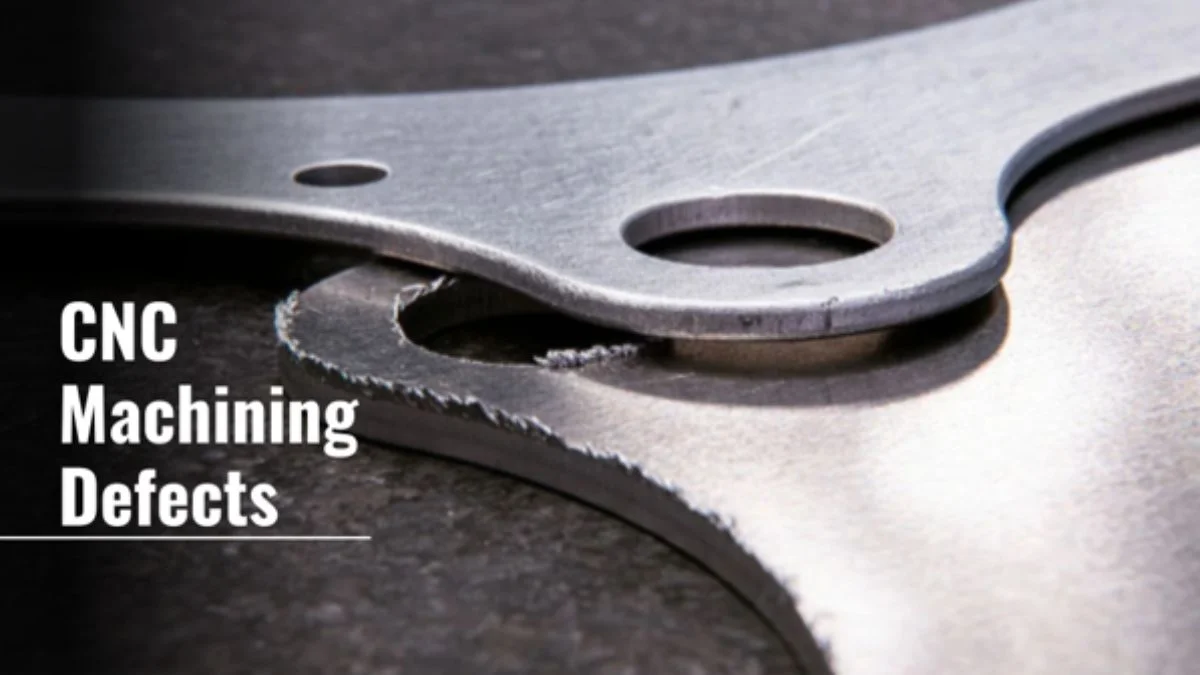
The CNC machining process is the cornerstone of today’s manufacturing. It allows engineers to replicate and shape complicated parts with relative ease. However, even with advanced machines, problems can still appear. These CNC machining defects often influence accuracy, finish, and overall quality.
When the machine is not set on a solid base, it starts vibration. It makes cutting less stable and impacts the results. Moreover, power failures can cause the machine to stop mid-work. Wrong spindle speeds can also spoil the surface finish.
Additionally, selecting the wrong cutting tool or using an incorrect blade length can result in errors. Poor tool paths waste time and prematurely wear out tools. Sometimes, the problem is with the operator. A lack of training or improper setup can easily cause defects.
Tool material also matters. A bad match can cause noise, vibration, or tool failure. These minor issues slowly reduce efficiency and raise costs.
This article examines the ten most common defects in CNC machining problems and solutions.
Table of Contents
10 CNC Machining Defects and Their Preventive Measures
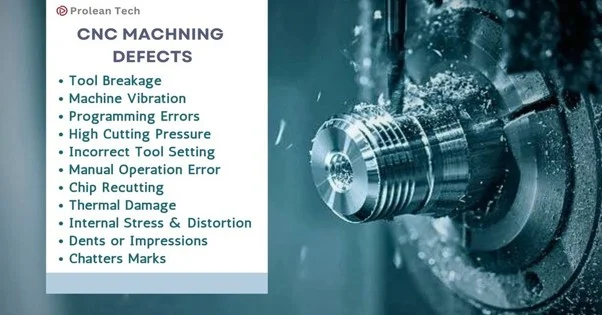
Here are the most frequent CNC machining defects that usually happen at machining workshops.
1. CNC Machine Vibrations
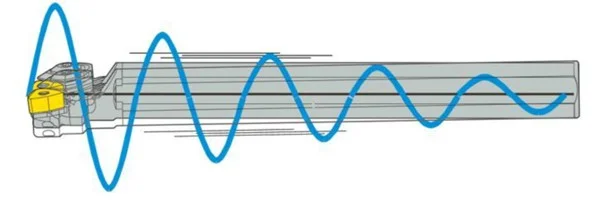
Many CNC machinists encounter vibration during the machining process. It occurs during the cutting process when a portion of the machine or one of its components vibrates. Common causes of vibration are excessive wear on bearings, an imbalance in the tool holder, and inappropriate cutting speed. Excessive vibrations negatively impact tool life, surface finish, and overall part accuracy. The easiest way to avoid vibration issues is to rebalance the tool holder. You must ensure all tools are correctly installed, lubricate any moving parts, replace any worn-out components, and adjust spindle speed to control vibration.
2. Machine Tool Errors
Machine tool error consists of several different fault types. These faults include misaligned tooling, spindle run out, and backlash. All these faults will produce inaccurate dimensions and/or unacceptable surface finishes. Misaligned tooling and spindle run out are usually caused by improper maintenance/calibration of the machine. Either excessive clearance between the table and saddle or excessive clearance between the saddle and column typically causes backlash. In addition to correcting faulty alignment or clearance, regular calibration and repairs can help assure accurate machining. Compensation can also be achieved by utilising specific tool settings (e.g., tool radius compensation and/or backlash correction).
3. Human Error
Human error can occur at any point during the machining process. Human error encompasses operator mistakes during setup/machining, including incorrect tool selections, improper settings, and/or incorrect materials selected for the machining operation. Any of the above can create production delays and/or reduce the quality of the product produced. Proper operator training and standard operating procedures can minimise most errors made by operators. Also, encourage operators to report any issues they encounter.
4. Inadequate Tool Strength
If a cutting tool cannot withstand the stresses generated during machining, it will bend, flex, or even break under load. A bent/flexed cutting tool will not generate an acceptable surface finish. Additionally, if a cutting tool lacks sufficient strength, it will require frequent replacement, thereby significantly increasing the cost of producing a part. When selecting a cutting tool, choose a tool that has the appropriate strength/rigidity for the machining operation being performed. Shorter tools can help reduce vibration, and carbide/ceramic tools are generally more suitable for machining harder materials than high-speed steel (HSS) tools.
5. Broken Tools
Tool breakage is typically caused by excessive cutting pressures and/or the use of an inappropriate cutting tool for the specific machining operation being performed. Broken cutting tools can be caused by machining tough materials, and/or due to the inability of the cutting tool to withstand the stresses generated during machining. Broken cutting tools render the product being produced unusable, creating downtime until a new cutting tool is installed. To eliminate broken cutting tools, use the appropriate cutting parameters and select a cutting tool that is specifically designed for the material being machined. Some modern machining operations, such as trochoidal milling, can also help reduce the amount of cutting pressure experienced during machining.
6. Programmer Errors
Programming errors can occur at any time during the CNC machining process. Programmer errors can cause the tool path to be incorrectly programmed, the feed rate to be incorrectly set, and/or errors in the G-Code programming. All of these programming errors can result in the production of parts that do not meet specifications, ultimately leading to the waste of materials and resources. Before production, always test your G-code program using simulation software or perform a trial cut to ensure accuracy and precision. Carefully review the G-Code before running it. Also, provide adequate training to the programmer to eliminate these errors.
7. Excessive Cutting Pressure
Excessive cutting pressure is generated when the cutting tool encounters excessive resistance while attempting to remove material from the part being machined. Excessive cutting pressure will result in excessive tool wear, increased vibration, and/or a poor surface finish. To mitigate these conditions, you must adjust your cutting speed, feed rate, and depth of cut accordingly. The use of coolants/fluids during machining can help reduce heat and friction associated with cutting pressure. New machining techniques, such as trochoidal milling, can also help to reduce cutting pressure.
8. Wear on Cutting Tools
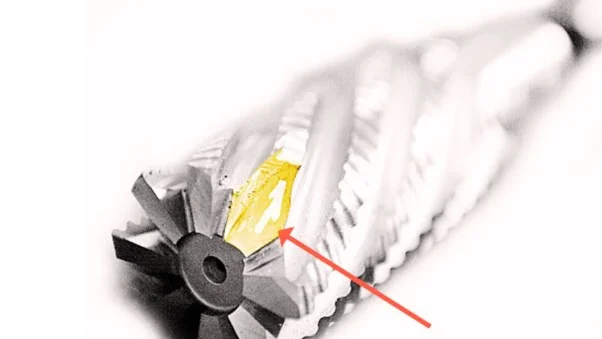
As cutting tools are used to machine parts, the cutting edges become dull, and eventually, the tool becomes ineffective. As the cutting edges become boring, the surface finish of the part being machined deteriorates, and the accuracy of the part being produced decreases. Inspection of the cutting tool(s) should be conducted regularly, and the tool(s) should be replaced as soon as possible after becoming dull. Coating the cutting tools and maintaining the recommended cutting speed/feed rate will help extend the life of the cutting tool.
9. Improper Tool Selection
Selecting the wrong cutting tool for the material being machined can lead to machining errors and/or tool failure. Different materials require different geometries and coatings on their cutting tools. Always follow the recommendations provided by the cutting tool manufacturer and consider the material properties, surface finish requirements, and other relevant factors when selecting a cutting tool. Monitoring the performance of the cutting tool(s) regularly will enable you to determine if modifications need to be made to optimise the performance of the cutting tool.
10. General Machining Defects
The most common machining defects encountered by machinists are rough surfaces, dimensional inaccuracies, and/or poor tolerance levels. The most common causes of these defects are tool wear, vibration, or unstable machine tooling. Regularly inspect the machined parts after each machining operation to identify and address any defects that may exist. Modify your machining parameters, tool paths, or tool selections as necessary to achieve the desired results. Maintaining stable machine tooling, performing routine calibrations, and making timely repairs will help minimise these defects.
Summary
CNC machining is, however, precise and accurate, but it still causes certain defects. These include vibration, chatter formation, breaking tools, and many more. When problems are found early, production becomes smoother and more reliable. Regular maintenance, proper inspection, and operator training are key to avoiding most issues. With support from trusted suppliers and customer feedback, the company continues to develop and improve its products, reducing machining errors. This steady effort ensures accuracy and consistent results in every project.


Helonium Explained: Formula, Chemistry, Uses & HeH⁺

Acamento: The Artful Science of Finishing with Purpose

Aura Farming: The Viral Slang Shaping Digital Identity

SoSoActive: Lifestyle & Culture for Millennials & Gen Z

Prasarita Padottanasana: How to Do It Correctly

From Webinar Recordings to Social Clips with Video Cutter AI

A Little Room to Breathe: Making Quieter AI Videos with Wan 3.0

Kouskousi: How Traditional Couscous Is Made and Served

When Should You Consider Lower Eyelid Surgery?

What to Look for When Choosing a Memory Care Community

Best IPTV Australia Services in 2026: A Comprehensive Review

Ashtanga Vs Vinyasa Yoga? Which One Should You Choose?

What Is Enhydro? Exploring Water-Filled Fossilized Amber

Unlocking Mamgatoto: The Cultural Phenomenon Shaping Communities Worldwide

DeviceURL in VEX Robotics: Node.js Communication Explained
-
 GENERAL1 year ago
Christofle – For Those Who Dream of Family Heirloom Silver
-
SPORTS2 months ago
Discover the World of Football with Streameast: Watch Your Favorite Leagues and Tournaments
-
HOME IMPROVEMENT2 years ago
Spacious and Stylish 300cm Round Rugs: Elegant and Modern Designs for a Chic Home Decor
-
GENERAL9 months ago
Uncovering the World of кинокрадко: The Dark Side of Film Piracy