
YOGA
What Is Tantra Yoga? Meaning, Practices, and Benefits

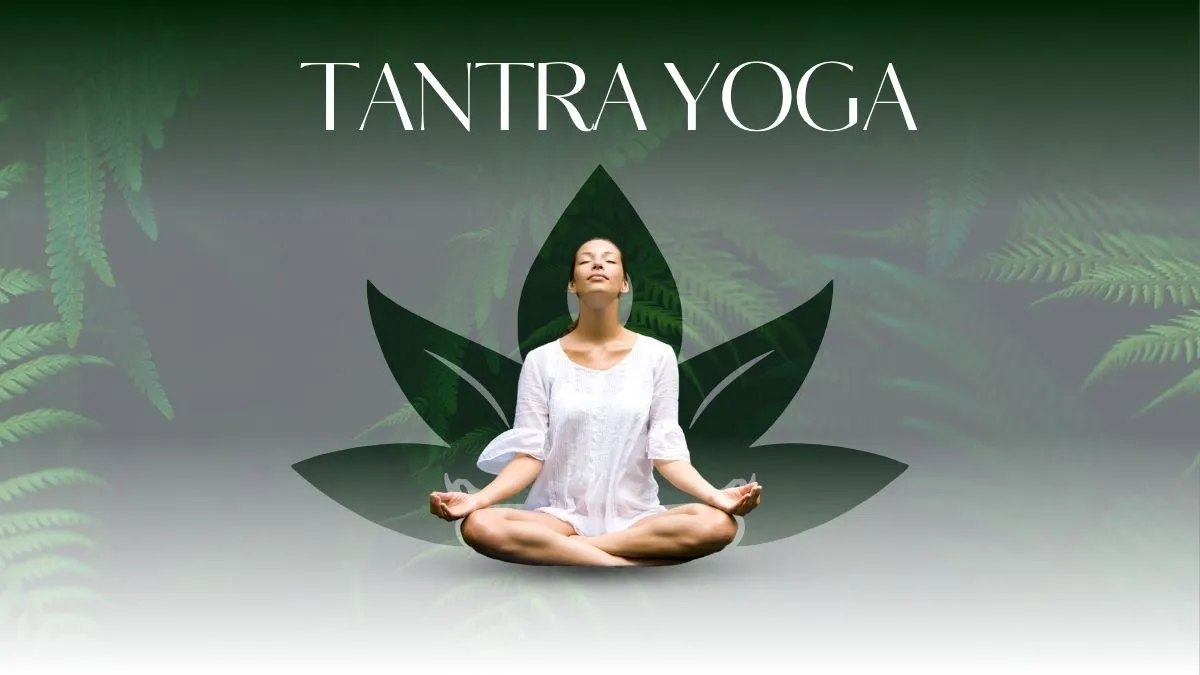
Tantra yoga is a sophisticated branch of yoga rooted in ancient tantric texts from India, dating to the 5th-9th centuries CE. The term “tantra” derives from Sanskrit roots meaning “to expand,” “to weave,” or “framework.” Beyond its literal meaning, tantra refers to a structured system designed to expand awareness, integrate the physical, mental, and spiritual dimensions, and facilitate the direct experience of consciousness. Unlike some philosophical systems that emphasize intellectual understanding, tantra yoga focuses on experiential practices that harmonize the mind, body, and subtle energy channels.
Table of Contents
Historical Background of Tantra Yoga
Tantra yoga emerged alongside classical Hindu, Shaiva, Shakta, and Buddhist traditions, as documented in sacred texts collectively known as the Tantras. These texts outline a range of methods, including ritualized practices, meditation, mantra recitation, and symbolic visualizations, often aimed at transforming consciousness and cultivating self-mastery.
The tantric approach differs from other spiritual paths by emphasizing the sacredness of the body and the material world as vehicles for awakening. Historical practices incorporated yantras (geometric diagrams used as meditative tools), mudras (symbolic hand gestures), and bija mantras (seed sounds) to direct energy and focus the mind. Over centuries, tantra yoga influenced other yoga forms and meditative practices, including Hatha and Kundalini yoga, leaving a legacy of techniques still practiced today.
Core Principles
1. Integration of Body and Mind
The body is not a mere instrument; it is a gateway to higher consciousness. Postures, breathing, and energy practices are considered essential to spiritual development.
2. Expansion of Consciousness
Through meditation, breathwork, and mindfulness, practitioners cultivate a heightened awareness of thoughts, emotions, and sensations, facilitating clarity and transformation.
3. Energy Awareness (Prana and Kundalini)
Tantra emphasizes subtle energies within the body. Practices often focus on awakening and balancing the chakras and cultivating the kundalini energy at the base of the spine to promote physical, mental, and emotional well-being.
4. Mindfulness and Presence
Sustained attention to the present moment is central, allowing practitioners to dissolve habitual mental patterns and experience life fully.
5. Holistic Perspective
Tantra yoga promotes a synthesis of physical, emotional, intellectual, and spiritual dimensions, fostering balance across all aspects of human experience.
Key Practices in Tantra Yoga
While practices vary among lineages, several core methods are commonly observed:
1. Breathing Techniques (Pranayama)
Advanced breath control techniques, such as Nadi Shodhana and Bhastrika, help regulate subtle energies, enhance focus, and calm the nervous system.
2. Meditation
Tantric meditation incorporates mantra repetition, visualization of yantras, and contemplation of symbolic deities to deepen concentration and self-awareness.
3. Physical Postures (Asanas)
Gentle asanas are integrated with breath and meditation to increase flexibility, bodily awareness, and the capacity to hold energy for longer periods.
4. Mantra Practice
Sacred sounds or seed syllables (bija mantras) like Om, Hreem, and Shreem are chanted to harmonize mind and body, and to activate specific energy centers.
5. Visualization Techniques
Practitioners mentally engage with symbolic imagery, deities, or mandalas to cultivate inner focus, insight, and emotional regulation.
6. Ritual Elements
Traditional tantra includes ceremonial practices and pujas designed to align intention, focus the mind, and reinforce discipline.
Tantra Yoga for Couples
Tantra yoga for couples focuses on mutual awareness, trust, and connection, extending beyond romantic intimacy. Couples engage in synchronized breathing, mindful eye contact, and shared meditative exercises to deepen emotional bonds.
The practice enhances empathy, patience, and emotional intelligence. While widely associated with romantic partnerships, its principles also strengthen collaboration, trust, and communication in broader relational contexts.
Differences Between Tantra Yoga and Other Yoga Styles
| Aspect | Tantra Yoga | Hatha Yoga | Ashtanga Yoga |
| Focus | Consciousness, energy, and awareness | Physical postures and breath | Structured posture sequences |
| Goal | Integration of body, mind, and spirit | Physical balance and health | Discipline, strength, and endurance |
| Techniques | Meditation, mantra, visualization, ritual | Postures, basic pranayama | Dynamic sequences with controlled breath |
| Philosophy | Sacredness of material and subtle energies | Mind-body equilibrium | Systematic progression of physical mastery |
Potential Benefits of Tantra Yoga
Mental Benefits
- Enhanced concentration, clarity, and cognitive resilience
- Reduced stress and anxiety through mindful regulation
- Greater awareness of emotional patterns
Physical Benefits
- Improved flexibility, posture, and breathing efficiency
- Reduction of muscular tension
- Support for relaxation and energy flow
Emotional and Psychological Benefits
- Deepened self-awareness and emotional regulation
- Cultivation of inner balance and equanimity
- Development of intentional, mindful habits
Lifestyle Benefits
- Integration of structured self-care routines
- Heightened awareness of behavioral patterns
- Greater focus and presence in daily life
Safety and Ethical Considerations
To ensure safe practice:
- Seek instruction from experienced and qualified teachers
- Communicate any medical conditions or limitations
- Avoid practices that produce discomfort or distress
- Maintain realistic expectations
- Approach teachings critically, blending traditional wisdom with evidence-based awareness
Modern Relevance of Tantra Yoga
In contemporary contexts, tantra yoga offers more than spiritual insight. Its techniques are incorporated into modern mindfulness therapies, emotional intelligence training, and stress management programs. By blending ancient wisdom with practical application, tantra yoga provides tools for personal development, emotional resilience, and relational depth.
Conclusion
Tantra yoga is a rich, multidimensional discipline integrating philosophy, ritual, meditation, and body practices. It empowers practitioners to cultivate awareness, harmonize energies, and balance the physical, mental, and spiritual aspects of life. Far from being merely a historical curiosity, tantra yoga continues to inform modern approaches to mindfulness, wellness, and holistic development.
By engaging with its practices, breath control, meditation, mantra, and mindful movement, practitioners can experience a framework for profound self-understanding and conscious living.







When the Mat Becomes a Mirror: Mindfulness, Emotional Regulation, and the Practice That Actually Lasts

Youtu-chan: Your Daily Dose of Anime & Game News

How Long Do Custom Orthotics Last? A Brampton Patient’s Guide

CoWordle: The Ultimate Multiplayer Word Game Experience

Solu Computer Review: Cloud-Based Mini PC

Coyyn.com: Revolutionizing Decentralized Finance (DeFi)

Exhentaime: The Art of Efficient Time Management

Cyanová : The Versatile Blue-Green Pigment Across Art, Design, and Nature

OnionPlay: The Shocking Truth About Free Streaming

Speciering: The Evolutionary Path to New Species

Tesla Balance Bike Explained: What the New Launch Means for Families and EV Fans

How to Find a Reliable Georgia Moving Company Without Overpaying

Joi Database: A Practical Guide to Data Validation and Database Integrity

AI Image Generators Explained: What They Are and Who’s Actually Using Them

Best Personal Trainer Software With a White-Label Branded App (2026)
-
 GENERAL1 year ago
Christofle – For Those Who Dream of Family Heirloom Silver
-
SPORTS1 year ago
Discover the World of Football with Streameast: Watch Your Favorite Leagues and Tournaments
-
GENERAL7 months ago
Uncovering the World of кинокрадко: The Dark Side of Film Piracy
-
GENERAL3 months ago
Unveiling the Art of преводсч: How Translators Bridge Language Barriers