
HEALTH AND FITNESS
How Healthy Smiles Support Whole-Body Wellness

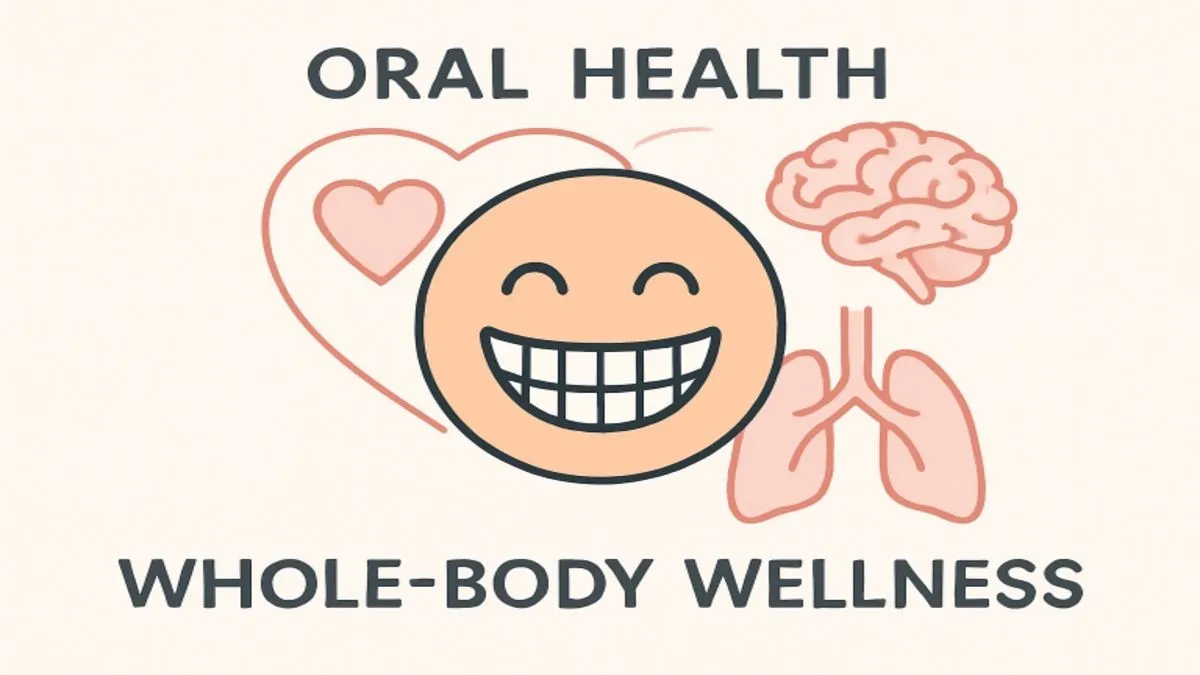
A healthy smile is much more than an attractive feature; it signals robust overall health. The mouth is the entry point to the body, so its condition can profoundly affect systemic wellness. Ignoring oral care doesn’t just endanger your teeth and gums; it can have far-reaching consequences for organs, metabolism, and mental state. Alongside routine cleaning and professional dental visits, modern solutions such as dental implants play a vital role in supporting both oral function and lifelong health.
Scientific research continues to reveal strong connections between oral health and a range of medical conditions, including heart disease, diabetes, and respiratory problems. Even the simple act of smiling can influence psychological well-being. In this article, you’ll discover how caring for your teeth and mouth helps protect your heart, lungs, mental state, and more.
Table of Contents
Oral Health and Cardiovascular Disease
Cardiovascular disease remains one of the world’s leading causes of death. Surprisingly, poor oral hygiene and untreated gum disease can increase the risk of heart attacks and strokes. Chronic inflammation caused by gum infections allows bacteria and toxins to enter the bloodstream, which may contribute to inflammation and narrowing of the arteries. Routine dental care and treating gum disease early are important strategies to reduce heart disease risk. This important link is highlighted in recent reports from the American Heart Association as well as the Centers for Disease Control and Prevention (CDC).
Diabetes and Oral Health
The relationship between diabetes and oral health is bidirectional. Individuals with diabetes are more likely to develop gum infections and oral complications because high blood sugar weakens the immune system and increases inflammation. Conversely, untreated gum disease can make it harder to control blood sugar, which can worsen symptoms for people already diagnosed with diabetes. According to the National Institute of Diabetes and Digestive and Kidney Diseases, maintaining healthy gums with regular care can help manage diabetes and prevent its complications.
Respiratory Health and Oral Hygiene
Good oral hygiene is vital for protecting lung health, especially among older adults and those with compromised immune systems. Studies show that oral bacteria can be inhaled into the lower respiratory tract, causing conditions such as bacterial pneumonia and exacerbating chronic illnesses like COPD. Brushing and flossing not only preserve teeth, but can also minimize the risk of serious lung infections. The National Institutes of Health notes this risk is highest in nursing home residents and hospital patients.
Mental Health and Smiling
The act of smiling is closely connected to emotions and mental well-being. Researchers have found that people who smile more frequently report higher levels of happiness and reduced stress. The psychological benefit of smiling is not limited to social situations; it can enhance brain chemistry, regulate mood, and even lower blood pressure. A recent study using digital monitoring found that the number and intensity of daily smiles closely track mental well-being. These findings suggest that maintaining a confident smile is key to emotional and psychological resilience.
Nutritional Impacts of Oral Health
Dental health affects how easily you can bite, chew, and process food. When teeth and gums are healthy, people enjoy a wider range of foods that provide vital nutrients. In contrast, oral pain or missing teeth can lead individuals to avoid crunchy fruits and vegetables, settling for softer, more processed foods. Over time, this dietary limitation can result in deficiencies in essential vitamins, fiber, and minerals. Good oral care supports digestion and energy, providing a solid foundation for full-body health.
Preventive Measures for Oral and Overall Health
Taking preventive measures for oral health can improve quality of life and lower the risk of several chronic diseases. This involves daily brushing, flossing, and using fluoridated toothpaste. Limiting sugar intake and eating a balanced diet also strengthens your teeth and body. Regular dental visits for professional cleanings and exams help catch small issues before they escalate. Vaccinations, such as for HPV, can prevent oral cancers linked to systemic health. Healthy habits like quitting smoking and reducing alcohol consumption are crucial for optimal oral and whole-body wellness.
Community Initiatives Promoting Oral Health
Community and public health programs foster awareness and access to good dental care. One leading effort is the “Have a Healthy Smile” campaign in Tennessee, which provides children with education about oral hygiene through public schools and local media. Such programs invest in children’s futures, teaching healthy habits early and promoting equal opportunities for all. Supporting preventive education and free or low-cost dental screenings ensures everyone can experience the lifelong benefits of a healthy smile.
Conclusion
A healthy smile is a gateway to total-body wellness. By understanding the connections between oral health and the cardiovascular system, metabolic diseases, respiratory health, mental well-being, and nutrition, individuals are empowered to make choices that benefit every aspect of their health. Prioritizing simple daily habits and participating in community health initiatives can lead to a brighter, more resilient future.


Lizard Pose: A Complete Guide to Form & Flexibility

Dermatologist: Why This Specialist Matters for Your Skin Health

How AI Is Reshaping the Way We Edit Video

Tech Etruesports: The Evolution of Competitive Gaming

Ceıvır: Traditional Turkish Dish with Rich Flavors

GNHUSTGames: The Ultimate Platform for Unblocked Games

Kraams: The Heart of Dutch Market Culture

Butterfly Position: How to Do Baddha Konasana Safely

Tissariss Textile Art: A Tradition of Cultural Weaving

Anna Archive: Free Shadow Library Search Engine

Bl_Faceless: Anonymous Digital Creators Redefining the Digital Space

Pepe Coin Overview: Inside the Meme Cryptocurrency Craze

Lotus Position (Padmasana): How to Do It Safely and Avoid Knee Pain

How to Prepare for a Gynaecology Appointment

RPDJAFUD: The Future of AI-Driven Cybersecurity and Automation
-
 GENERAL1 year ago
Christofle – For Those Who Dream of Family Heirloom Silver
-
SPORTS1 month ago
Discover the World of Football with Streameast: Watch Your Favorite Leagues and Tournaments
-
HOME IMPROVEMENT1 year ago
Spacious and Stylish 300cm Round Rugs: Elegant and Modern Designs for a Chic Home Decor
-
GENERAL8 months ago
Uncovering the World of кинокрадко: The Dark Side of Film Piracy