
YOGA
Yoga Exercises: Benefits, Types, and Safe Practice Guide

Yoga exercises represent a structured system of physical postures, controlled breathing, and mindful awareness designed to promote both physical and psychological well-being. While yoga originated in ancient South Asian philosophical traditions more than 3,000 years ago, modern research increasingly examines its physiological and therapeutic value in contemporary healthcare and fitness settings. Today, yoga exercises are widely incorporated into rehabilitation programs, stress management interventions, and preventive health practices due to their broad and measurable benefits.
Table of Contents
Historical and Conceptual Foundations of Yoga
The practice of yoga has roots in classical Indian philosophy, where it was originally developed as a comprehensive system for achieving harmony between the body, mind, and consciousness. Ancient texts such as the Yoga Sutras describe yoga as a discipline that integrates ethical principles, physical practices, breath control, and meditation.
In modern contexts, yoga exercises primarily refer to asanas, or physical postures, often combined with pranayama, breathing techniques. Although traditional yoga included spiritual and philosophical dimensions, contemporary practice typically emphasizes the physical and psychological benefits of movement and breath regulation.
Over the past several decades, yoga has transitioned from a primarily cultural practice into a globally recognized form of exercise supported by growing scientific investigation.
Physiological Mechanisms of Yoga Exercises
| Physiological Mechanism | Body System Involved | How Yoga Influences It | Health Outcomes |
| Neurological Regulation | Nervous system (Autonomic nervous system) | Controlled breathing and mindful movements stimulate the parasympathetic nervous system while reducing sympathetic activity. | Reduced stress, improved emotional regulation, lower heart rate, and enhanced relaxation response. |
| Musculoskeletal Adaptation | Muscles, joints, ligaments, and connective tissues | Yoga postures involve stretching and isometric muscle engagement, which strengthen stabilizing muscles and increase tissue elasticity. | Improved flexibility, stronger core muscles, better posture, and increased joint mobility. |
| Respiratory Efficiency | Respiratory system (lungs and diaphragm) | Breathing techniques such as deep diaphragmatic breathing improve lung expansion and oxygen exchange. | Enhanced lung capacity, improved breathing control, and better oxygen delivery throughout the body. |
| Hormonal Regulation | Endocrine system | Regular yoga practice can help regulate stress hormones, particularly cortisol, through relaxation and controlled breathing. | Reduced stress levels, improved mood stability, and better immune function. |
| Cardiovascular Function | Heart and blood vessels | Gentle movement, stretching, and breathing exercises promote circulation and may improve heart rate variability. | Better blood circulation, lower blood pressure, and improved cardiovascular health. |
Major Categories of Yoga Practice
Yoga exercises are practiced in several structured styles, each emphasizing different aspects of movement and breathing.
Hatha Yoga
Hatha yoga is commonly considered the foundational style for beginners. It focuses on slow transitions between postures and emphasizes proper alignment and breathing awareness. Because of its moderate intensity, Hatha yoga is frequently used in introductory classes and therapeutic programs.
Vinyasa Yoga
Vinyasa yoga is characterized by continuous movement sequences coordinated with breath. Each posture transitions smoothly into the next, creating a dynamic flow that improves both muscular endurance and cardiovascular activity.
Ashtanga Yoga
Ashtanga yoga follows a fixed series of poses performed in a specific order. This structured system requires strength, flexibility, and stamina, making it more suitable for experienced practitioners.
Iyengar Yoga
Iyengar yoga places particular emphasis on biomechanical precision and alignment of posture. Practitioners often use supportive props, such as blocks, straps, and bolsters, to maintain proper alignment and prevent strain.
Restorative Yoga
Restorative yoga focuses on deep relaxation rather than physical intensity. Postures are supported by props and held for extended periods, allowing the body to release tension and recover from stress or fatigue.
Common Yoga Exercises and Their Functional Benefits
Many yoga exercises are widely practiced because they target essential muscle groups and improve functional movement.
Mountain Pose (Tadasana)
Mountain pose is often used as a foundational alignment posture. It encourages balanced weight distribution across the feet while engaging the core muscles and lengthening the spine. This pose helps develop body awareness and proper standing posture.
Downward-Facing Dog (Adho Mukha Svanasana)
This inverted posture stretches the hamstrings, calves, and back muscles while strengthening the shoulders and arms. It also promotes spinal decompression, which may help relieve tension associated with prolonged sitting.
Warrior Pose (Virabhadrasana)
Warrior poses are powerful standing postures that build strength in the legs, hips, and core muscles. They also enhance balance and improve lower-body stability.
Cobra Pose (Bhujangasana)
Cobra pose gently extends the spine and activates the lower back muscles. This movement helps counteract forward-rounded posture, which is commonly associated with desk work and prolonged device use.
Tree Pose (Vrikshasana)
Tree pose is a balancing posture that strengthens the ankle and leg muscles while improving concentration and proprioception, the body’s sense of position in space.
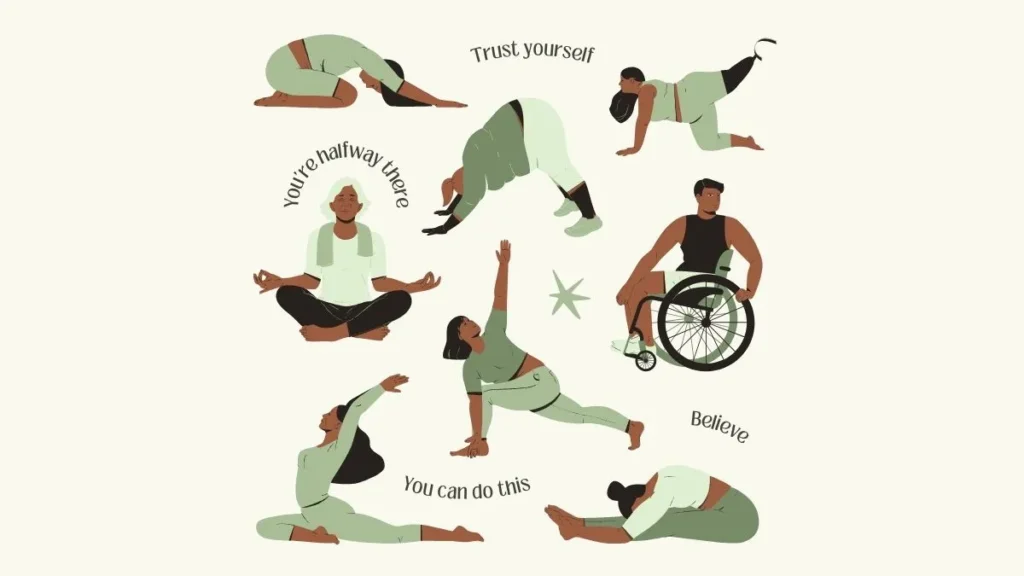
Evidence-Based Health Benefits
Research conducted by universities and medical institutions worldwide suggests that regular yoga practice may provide a range of measurable health benefits.
Improved Flexibility and Mobility
Controlled stretching within yoga exercises increases muscle length and joint range of motion. This can reduce stiffness and improve overall mobility, particularly in individuals with sedentary lifestyles.
Enhanced Core Strength and Stability
Many yoga poses require stabilization of the abdominal and spinal muscles. Strengthening these muscles supports better posture and may reduce the risk of lower back pain.
Stress and Anxiety Reduction
Studies in behavioral medicine have shown that yoga can reduce perceived stress and symptoms of anxiety. Breathing exercises and mindfulness components contribute to improved emotional regulation.
Better Sleep Quality
Yoga’s calming effect on the nervous system may promote more restful sleep. Regular yoga practice often leads to improved sleep duration and reduced insomnia symptoms.
Cardiovascular Health
Some forms of yoga can improve circulation and support healthy blood pressure levels. Although yoga is generally less intense than aerobic exercise, its effects on stress reduction and metabolic regulation contribute to cardiovascular well-being.
Safety and Best Practices
| Safety Practice | Short Explanation |
| Maintaining Proper Alignment | Keep correct posture during poses to prevent strain or injury. |
| Avoid Overstretching | Stretch within comfortable limits and never force the body into a pose. |
| Warm Up Before Practice | Gentle warm-up movements prepare muscles and joints for yoga postures. |
| Practice Controlled Breathing | Maintain slow and steady breathing throughout the exercises. |
Integrating Yoga into Modern Lifestyles
One reason yoga exercises remain widely practiced is their adaptability. They can be performed in homes, fitness centers, rehabilitation clinics, or outdoor environments without specialized equipment.
Yoga can complement other forms of physical activity, such as strength training, walking, or athletic sports. By improving flexibility, balance, and recovery, yoga supports overall physical performance and long-term musculoskeletal health.
Many individuals incorporate yoga into morning routines to increase mobility and mental focus, while others practice in the evening to release tension accumulated throughout the day.
Conclusion
Yoga exercises combine structured movement, controlled breathing, and mindful awareness to create a comprehensive approach to physical and mental health. Rooted in ancient traditions yet supported by growing scientific research, yoga offers measurable benefits for flexibility, strength, stress regulation, and overall well-being.


Social Media Scheduler Guide: Features, Benefits, Best Practices & Tools

Eagle Pose: Quick and Easy Guide

Happy Baby Pose: Benefits, Steps, and Tips for Beginners

Detoxify Your Body and Mind with Dragon Pose: A Step-by-Step Guide

Flemington’s Complete Healthcare Network: Top Providers Working Together for Community Wellness

How Shared Workspaces Accumulate Bacteria in Places Nobody Thinks to Clean

How Varifocal Glasses Are Better Than the Rest

How Guests Leave a Space Differently Than Residents and What That Means for Effective Cleaning Practices

Retail Store Layout Mistakes That Cost Businesses Sales

Common Conditions Managed by Rheumatologists in Singapore
What to Know Before Getting Dental Implants in The Woodlands, TX

Respiratory Health Supplements: Supporting Healthy Breathing Naturally

Why a Clean Workplace Is Central to Employee Wellness and Focus

When the Mat Becomes a Mirror: Mindfulness, Emotional Regulation, and the Practice That Actually Lasts

Youtu-chan: Your Daily Dose of Anime & Game News
-
 GENERAL1 year ago
Christofle – For Those Who Dream of Family Heirloom Silver
-
SPORTS1 year ago
Discover the World of Football with Streameast: Watch Your Favorite Leagues and Tournaments
-
GENERAL7 months ago
Uncovering the World of кинокрадко: The Dark Side of Film Piracy
-
GENERAL4 months ago
Unveiling the Art of преводсч: How Translators Bridge Language Barriers