
YOGA
Solar Plexus Chakra: Meaning, Power, and Inner Confidence

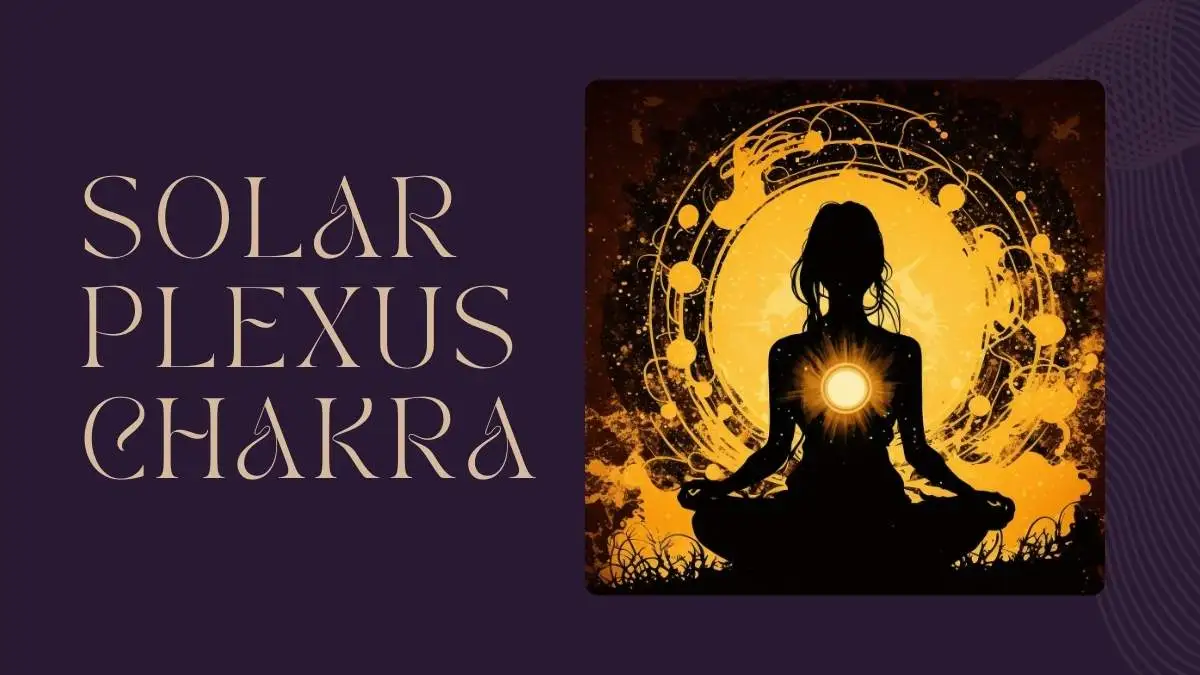
Human traditions across cultures have long attempted to explain the relationship between inner awareness and physical experience. Within the philosophical framework of yogic spirituality, this connection is described through the chakra system, a network of symbolic energy centers believed to influence different dimensions of human life. Among these centers, the solar plexus chakra, known in Sanskrit as Manipura, occupies a crucial position. It represents the dynamic point where intention, identity, and action converge.
Table of Contents
The Meaning of Manipura: The “City of Jewels”
The Sanskrit word Manipura translates to “city of jewels” or “resplendent gem.” This metaphor reflects the belief that the solar plexus chakra is a reservoir of inner strength and vitality. In classical yogic texts, it is described as a radiant center of energy that fuels determination and self-expression.
Unlike the lower chakras, which are traditionally associated with survival and physical grounding, Manipura represents the emergence of individuality. It is the stage at which instinct evolves into conscious choice. This transformation is why the chakra is symbolically associated with fire, an element historically linked to transformation, digestion, and the release of energy.
From a philosophical perspective, the solar plexus chakra represents the transition from dependency to self-direction, marking the development of personal identity and responsibility.
Location and the Physiological Parallel
The solar plexus chakra is traditionally located in the upper abdomen, just below the sternum and above the navel. This location corresponds to the celiac plexus, a dense network of nerves situated behind the stomach. The celiac plexus regulates many functions related to digestion and organ activity.
Although the chakra system originates from spiritual traditions rather than modern anatomy, this location is noteworthy because the solar plexus region is closely linked with the autonomic nervous system, which influences stress responses, metabolism, and gut function.
The common phrase “having a gut feeling” reflects how strongly emotional states can affect the abdominal region. Feelings such as anxiety, anticipation, or excitement often produce sensations in the stomach area. This physiological reality has likely contributed to the symbolic association between the solar plexus region and emotional power.
Psychological Dimensions of the Solar Plexus Chakra
In contemporary interpretations, the solar plexus chakra is often associated with self-efficacy, a psychological concept that describes a person’s belief in their ability to influence outcomes. When individuals feel capable of shaping their circumstances, they tend to demonstrate higher motivation and persistence.
The symbolic functions attributed to Manipura mirror many characteristics studied in behavioral psychology, including:
- Confidence and self-trust
- Goal-directed behavior
- Healthy personal boundaries
- Decision-making ability
- Emotional resilience
When these qualities are present, individuals often experience a sense of internal stability and purpose. In chakra terminology, this state is described as balance within the solar plexus chakra.
However, challenges in self-perception or autonomy may lead to patterns that chakra traditions interpret as imbalance.
Low Personal Power
A diminished sense of internal authority may manifest as hesitation, avoidance of responsibility, or difficulty asserting personal needs. In symbolic chakra language, this is often described as a blocked or underactive solar plexus chakra.
Excessive Control
At the opposite extreme, an overemphasis on control or dominance can reflect insecurity masked by assertiveness. In chakra philosophy, this pattern is sometimes described as an overactive Manipura, in which the drive for power overshadows empathy and cooperation.
The Fire Element and the Process of Transformation
In yogic philosophy, every chakra is associated with a natural element, and the solar plexus chakra corresponds to fire. Fire has long symbolized transformation across many cultures. It converts raw material into energy, warmth, and light.
In the human body, digestion serves a similar role by breaking down food into nutrients and energy. Ancient Ayurvedic teachings describe this process through the concept of Agni, the digestive fire responsible for metabolic balance.
Within this symbolic framework, the solar plexus chakra represents the psychological equivalent of digestion, the ability to process experiences, learn from challenges, and convert knowledge into purposeful action.
Solar Plexus Chakra in Mindfulness and Personal Development
Although the chakra system originated within spiritual traditions, many modern wellness practices incorporate its concepts as tools for introspection. Rather than viewing chakras as literal energy structures, contemporary practitioners often use them as symbolic maps for understanding emotional patterns.
Reflective Awareness
Self-reflection is one of the most effective ways to strengthen personal awareness. Journaling, mindfulness meditation, and cognitive self-analysis can help individuals identify beliefs that influence confidence and decision-making.
By examining internal narratives such as fear of failure or excessive self-criticism, people may gradually develop a more balanced sense of identity.
Movement and Posture
Physical posture can influence psychological states. Research in embodied cognition suggests that body positioning affects confidence and emotional perception. Core-strengthening exercises and upright posture may indirectly reinforce feelings of stability and control.
Traditional yoga practices emphasize core activation and balanced breathing, which symbolically correspond to strengthening the solar plexus chakra.
Intentional Goal Setting
Manipura is closely linked with purposeful action. Setting clear and achievable goals encourages the development of discipline and self-direction. This process aligns with psychological models of motivation that emphasize autonomy and intrinsic drive.
Cultural Origins and Historical Context
The chakra system emerged from ancient Indian philosophical traditions, particularly within Tantric and yogic literature dating back more than a thousand years. Early references appear in Sanskrit texts that describe the human body as a network of subtle channels through which prana, or life energy, flows.
As yoga practices spread globally during the twentieth century, the chakra system became widely integrated into wellness and spiritual communities. Today, it is studied not only within spiritual traditions but also within interdisciplinary discussions involving psychology, philosophy, and holistic health.
A Balanced Perspective on the Solar Plexus Chakra
While the chakra system holds deep cultural and spiritual significance, it is important to approach it with context and critical understanding. Scientific research has not identified chakras as measurable physiological structures. However, many of the emotional and behavioral themes associated with the solar plexus chakra correspond with well-established psychological principles related to confidence, motivation, and emotional regulation.
For this reason, the concept of Manipura can be viewed as a symbolic framework rather than a literal anatomical system. It provides language and imagery that help individuals reflect on their sense of identity, autonomy, and personal power.
Conclusion
The solar plexus chakra, or Manipura, represents a profound philosophical idea centered on transformation, self-confidence, and personal responsibility. Positioned symbolically in the upper abdomen and associated with the element of fire, it reflects humanity’s enduring attempt to understand how internal energy translates into action.








Social Media Scheduler Guide: Features, Benefits, Best Practices & Tools

Common Conditions Managed by Rheumatologists in Singapore
What to Know Before Getting Dental Implants in The Woodlands, TX

Respiratory Health Supplements: Supporting Healthy Breathing Naturally

Why a Clean Workplace Is Central to Employee Wellness and Focus

When the Mat Becomes a Mirror: Mindfulness, Emotional Regulation, and the Practice That Actually Lasts

Youtu-chan: Your Daily Dose of Anime & Game News

How Long Do Custom Orthotics Last? A Brampton Patient’s Guide

CoWordle: The Ultimate Multiplayer Word Game Experience

Solu Computer Review: Cloud-Based Mini PC

Coyyn.com: Revolutionizing Decentralized Finance (DeFi)

Exhentaime: The Art of Efficient Time Management

Cyanová : The Versatile Blue-Green Pigment Across Art, Design, and Nature

OnionPlay: The Shocking Truth About Free Streaming

Speciering: The Evolutionary Path to New Species
-
 GENERAL1 year ago
Christofle – For Those Who Dream of Family Heirloom Silver
-
SPORTS1 year ago
Discover the World of Football with Streameast: Watch Your Favorite Leagues and Tournaments
-
GENERAL7 months ago
Uncovering the World of кинокрадко: The Dark Side of Film Piracy
-
GENERAL4 months ago
Unveiling the Art of преводсч: How Translators Bridge Language Barriers