HEALTH AND FITNESS
The Smart Way to Think About Teeth Whitening

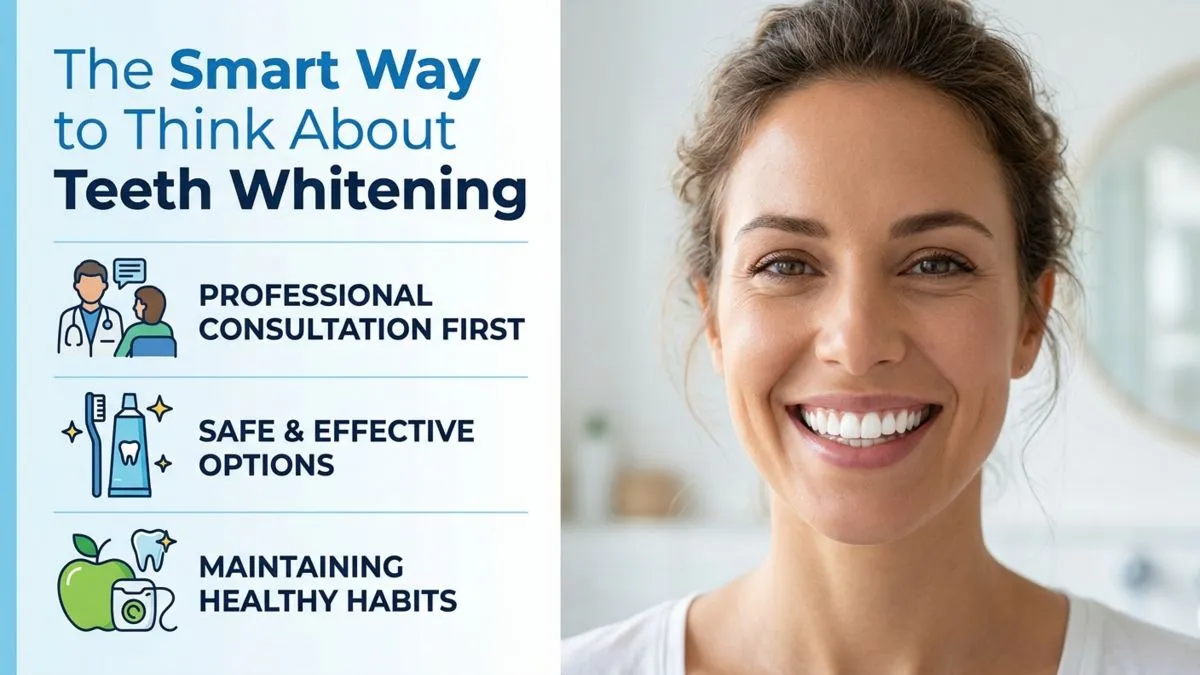
Teeth whitening is one of the most common cosmetic dental treatments, but it is also one of the easiest to misunderstand. A brighter smile can look fresher and healthier, yet whitening is not simply about making teeth as white as possible. The best results usually come from understanding why teeth darken, what whitening can and cannot change, and when it makes sense to involve a dental professional.
For many adults, tooth color changes gradually. Coffee, tea, red wine, tobacco, aging, enamel wear, and certain medications can all affect the way teeth look. Some stains sit on the surface. Others are deeper inside the tooth structure. That distinction matters because not every discoloration responds to the same whitening approach.
Table of Contents
Why Teeth Change Color Over Time
Natural tooth color varies from person to person. Some people have teeth that are naturally more ivory, gray, or yellow in tone. That does not automatically mean the teeth are unhealthy. Still, daily habits and age can make teeth appear darker or duller.
Surface Stains
Surface stains form on the enamel surface. These are often linked to foods and drinks with strong pigments, such as coffee, tea, berries, tomato-based sauces, and red wine. Tobacco can also create stubborn surface discoloration.
Whitening toothpastes may help with some surface stains because they use mild abrasives or polishing ingredients. However, they do not usually produce the same shade change as peroxide-based whitening products.
Deeper Stains
Deeper stains are harder to address because they are inside the tooth structure. Aging is a common reason for this. As enamel thins over time, the warmer-colored dentin beneath it can show through more clearly. Trauma, some medications, and older dental work can also affect tooth color.
This is one reason a dental exam can be useful before whitening. If one tooth is much darker than the others, the cause may not be simple staining.
How Whitening Products Actually Work
Most true whitening products use peroxide-based ingredients, such as hydrogen peroxide or carbamide peroxide. These ingredients help break up stains so teeth appear lighter. The American Dental Association notes that tooth whitening is commonly done with peroxide-based bleaching agents and that patients should consider factors such as sensitivity, allergies, and the cause of discoloration.
There are several ways to use whitening products, including in-office treatments, dentist-provided take-home trays, over-the-counter strips, gels, rinses, and whitening toothpastes. Each option has different strengths, limitations, and risks.
In-Office Whitening vs. At-Home Whitening
Teeth whitening is not one-size-fits-all. The right option depends on the current shade of the teeth, the type of staining, the sensitivity history, the dental restorations, and how quickly someone wants results.
In-Office Whitening
Professional in-office whitening is typically the fastest option. It uses whitening material under controlled conditions, with the gums and soft tissues protected during treatment. Many patients choose this route when they want more noticeable results in a shorter period.
In-office whitening may be helpful for people with stubborn stains or those who want guidance before an event. The goal should be a brighter, natural smile, not an artificial-looking shade that clashes with the person’s complexion or existing dental work.
Custom Take-Home Trays
Dentist-provided take-home whitening trays are made to fit the patient’s teeth and hold whitening gel more evenly than many generic trays. Treatment usually happens over several days or weeks, depending on the product and desired result.
This approach can be useful for people who prefer gradual whitening or want more control over timing. It may also reduce the risk of uneven application compared with poorly fitting over-the-counter trays.
Over-the-Counter Products
Whitening strips and gels can work for some people, especially when staining is mild to moderate. The biggest challenge is fit and consistency. If the product does not contact the teeth evenly, results can look uneven. If it touches the gums too much, irritation may occur.
Patients with crowns, veneers, bonding, cavities, gum recession, or significant sensitivity should be especially cautious. A dental consultation can help determine whether whitening is appropriate before spending time and money on products that may not work well for their situation.
What Whitening Cannot Change?
One of the most important things to know is that whitening does not lighten everything in the mouth.
Crowns, Veneers, and Fillings
Dental restorations do not whiten the same way natural enamel does. Crowns, veneers, tooth-colored fillings, and bonding will generally stay the same shade. If visible restorations were matched to a darker tooth color years ago, whitening the natural teeth may make those restorations stand out.
This does not mean whitening is off the table. It just means timing matters. In some cases, whitening should be completed before replacing visible restorations so the new dental work can be matched to the brighter shade.
Gray or Trauma-Related Discoloration
Some types of discoloration respond less predictably to whitening. A tooth that darkened after trauma may need a different cosmetic or restorative approach. Internal bleaching, bonding, veneers, or crowns may be considered depending on the tooth’s health and appearance.
Sensitivity Is Common, But It Should Be Managed
Temporary sensitivity is one of the most common side effects of teeth whitening. Some people feel brief zings when drinking cold water or breathing in cool air. Others notice gum tenderness if the whitening gel contacts the soft tissue.
Why Sensitivity Happens
Whitening ingredients can temporarily affect the tooth’s outer structure and irritate areas where enamel is thin or roots are exposed. Sensitivity is more likely if a patient already has gum recession, untreated cavities, cracked teeth, or worn enamel.
How to Reduce the Risk
A dental cleaning and exam before whitening can help identify issues that may worsen sensitivity. Using a sensitive toothpaste before and during treatment may also help. Patients should follow product instructions carefully and avoid extending whitening time in hopes of getting faster results.
More whitening does not always mean better whitening. Overuse can lead to discomfort, uneven results, and irritation.
How to Maintain Whitening Results
Whitening is not permanent. Teeth can gradually darken again, especially when exposed to staining foods and drinks. The goal is not to avoid every enjoyable food or beverage, but to build habits that help results last.
Rinsing with water after coffee or tea, using a straw for certain drinks, brushing consistently, flossing daily, and keeping up with professional cleanings can all help. Touch-up whitening may be appropriate for some patients, but it should be done thoughtfully rather than constantly.
A Natural Result Is Usually the Best Result
The most attractive whitening result is usually one that looks clean, healthy, and believable. Teeth do not need to be paper-white to look good. A thoughtful whitening plan considers the whole smile: tooth shape, gum health, enamel condition, restorations, and long-term maintenance. That is what separates a quick cosmetic experiment from a result that fits comfortably into real life.
About the Contributor
Carolina Complete Dentistry provides preventive, cosmetic, and restorative dental care in Charlotte, NC. The practice helps patients find the right whitening approach and other smile improvements with a dentist in Charlotte focused on healthy, natural-looking results.


Bebasinindo: Championing Freedom in Indonesia

Ankwave: Future of Connectivity with Energy-Efficient Solutions

Afruimwagens: Efficient Mobile Carts for Workspaces

Understanding Formula 1 Standings and Championship Rankings

Do Cats Fart? A Scientific and Behavioral Look at Feline Gas

Hatha Yoga: Balancing Body, Mind, and Energy

Wave_of_Happy_: Cultivating a Positive Mindset for Lasting Joy

Gamer Challenger: Definition, Role, and Competitive Focus

Slope Unblocked: Free Online 3D Ball Running Game

Brand Name Normalization Rules: A Complete Practical Guide

Veneajelu: The Finnish Art of Peaceful Summer Boating

The Journey of iamnobody89757: From Anonymous User to Internet Sensation

Adsy.pw/hb3: The Future of High-Impact Digital Advertising

Soutaipasu: Understanding Relative Paths in Computing

Omaha, Nebraska Mental Health Routines for School, Work, and Changing Seasons
-
 GENERAL1 year ago
Christofle – For Those Who Dream of Family Heirloom Silver
-
GENERAL9 months ago
Uncovering the World of кинокрадко: The Dark Side of Film Piracy
-
SPORTS2 months ago
Discover the World of Football with Streameast: Watch Your Favorite Leagues and Tournaments
-
HOME IMPROVEMENT2 years ago
Spacious and Stylish 300cm Round Rugs: Elegant and Modern Designs for a Chic Home Decor