GENERAL
The Hidden World of Metal Wire Forming Applications

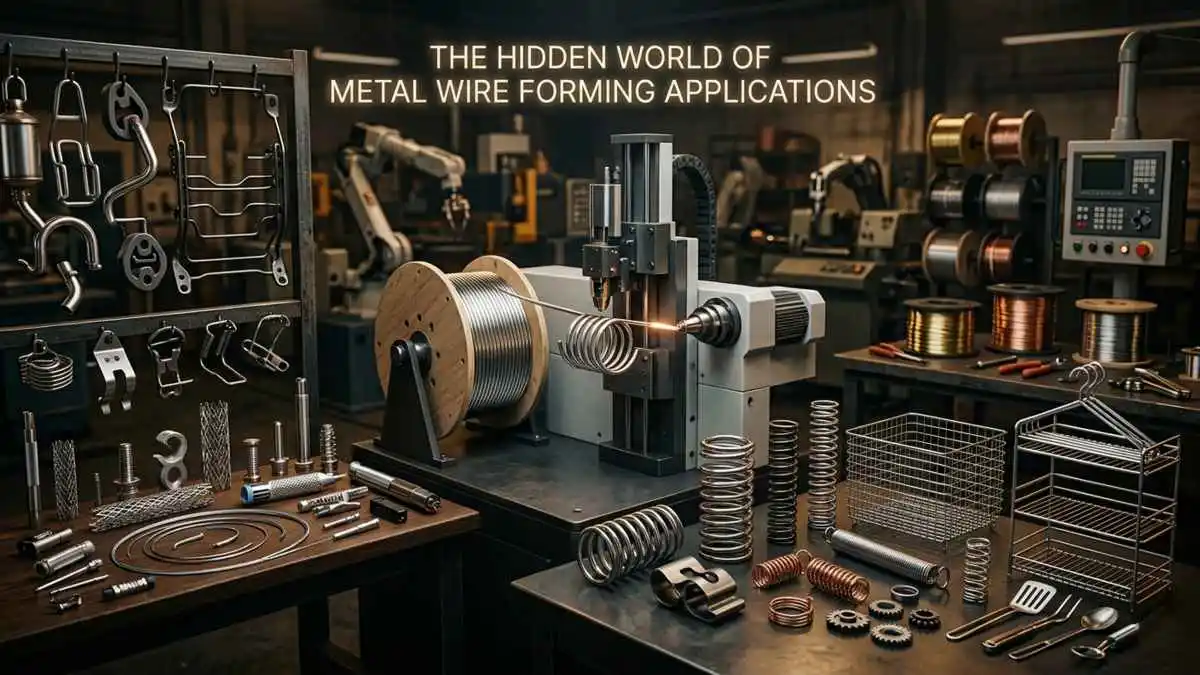
Metal wire forming is a manufacturing process that shapes countless everyday products, from mattress springs to surgical tools. The process involves bending, cutting, and shaping raw metal wire to create items with both structural integrity and adaptability.
Table of Contents
The Basics of Metal Wire Forming
Before looking at specific use cases, it helps to understand how the process actually works. Wire forming takes spooled metal and transforms it into functional parts using specialized machinery.
Understanding the Process
The journey begins with continuous coils of metal wire. Machines feed this wire through straighteners before applying force to bend, twist, or cut the material. Depending on the complexity of the part, manufacturers might use simple manual presses or highly advanced computer numerical control (CNC) equipment to achieve the desired shape.
Common Wire Materials
Manufacturers select materials based on the final product’s specific requirements. Stainless steel is a popular choice due to its corrosion resistance and strength. Aluminum offers a lightweight alternative, while copper is frequently chosen for its electrical conductivity. High-carbon steel provides the tension needed for springs and load-bearing components.
Key Advantages
Wire forming brings several distinct advantages to the production floor. It creates very little material waste compared to stamping or machining. The process is also highly repeatable, ensuring that the ten-thousandth part matches the very first one with exact precision.
Industrial Applications
Heavy industries rely heavily on wire-formed components. These parts often operate out of sight but are critical for machinery and vehicles to function properly.
Automotive Components
The automotive sector uses wire-formed parts extensively. Seat frames, suspension springs, exhaust hangers, and hood props all begin as simple metal wire. These components must withstand constant vibration and heavy loads, making the inherent strength of formed steel an ideal solution.
Medical Devices
In the medical field, precision is a matter of life and death. Wire forming produces essential surgical instruments, catheter guide wires, and orthodontic braces. The ability to work with biocompatible materials like titanium and medical-grade stainless steel makes this process indispensable for healthcare manufacturing.
Aerospace Parts
Aerospace engineering demands materials that are both lightweight and incredibly strong. Wire formed retaining rings, specialized fasteners, and control cables are vital for aircraft assembly. The strict tolerances achievable with CNC wire forming ensure these parts meet rigorous aviation safety standards.
Commercial and Retail Applications
The retail sector utilizes wire forming to organize spaces and present products attractively. These applications prioritize aesthetics and functionality.
Merchandising Racks and Hooks
Walk into any grocery store or clothing shop, and you will see wire forming at work. Retailers use pegboard hooks, grid panels, and shelving units to maximize their floor space. Brands often rely on custom wire pop displays to grab consumer attention at the checkout counter. These displays are durable, lightweight, and easy to move around the store.
Office Organization Solutions
Desks and workspaces stay clutter-free thanks to wire-formed accessories. Letter trays, file holders, and wastebaskets made from coated wire provide a clean, modern aesthetic. The open design of these items prevents dust accumulation and keeps important documents visible.
Artistic and Decorative Applications
Beyond heavy industry and retail, metal wire forming serves as a medium for creative expression and personal style.
Sculptures and Art Installations
Artists frequently use metal wire to create stunning three-dimensional sculptures. The material allows them to sketch in the air, forming intricate geometric shapes or lifelike figures. Because wire is malleable yet holds its shape, it provides a unique balance of freedom and permanence for large-scale public art installations.
Jewelry and Fashion Accessories
Jewelers have practiced wire wrapping and forming for centuries. Artisans bend precious metals like gold, silver, and platinum into beautiful rings, necklaces, and earrings. The technique allows for delicate, filigree designs that catch the light and complement gemstones.
Home Decor Items
Interior designers incorporate wire-formed pieces to add texture to living spaces. Wire fruit bowls, lampshades, and wall art bring a touch of industrial chic to modern homes. These items are often powder-coated in vibrant colors or left with a raw metallic finish to suit different design themes.
Benefits Across Industries
Why do so many different sectors choose wire forming over alternative manufacturing methods? The answer lies in three main benefits.
Cost-Effectiveness
Because the process uses metal efficiently, raw material costs remain low. The speed of CNC machinery also reduces labor expenses. When companies need to produce thousands of identical parts, wire forming consistently proves to be a budget-friendly option.
Design Flexibility
If a designer can imagine a shape, a wire forming machine can likely create it. The process accommodates sharp angles, sweeping curves, and complex three-dimensional geometries. This flexibility allows engineers to prototype quickly and adjust designs without investing in expensive new molds.
Durability and Strength
Bending metal wire actually cold-works the material, which can increase its overall strength. The resulting parts can bear heavy loads, resist impacts, and endure harsh environmental conditions.
Challenges and Innovations in Wire Forming
Like any manufacturing process, wire forming continues to evolve to meet modern demands and overcome traditional limitations.
Material Science Advancements
Engineers are constantly testing new metal alloys to push the boundaries of what wire forming can achieve. New alloys offer better heat resistance, higher tensile strength, and reduced weight. These material advancements allow formed wire to replace heavier cast or machined parts in fuel-efficient vehicles.
Automation and Precision
The integration of artificial intelligence and advanced robotics is transforming the factory floor. Modern CNC machines can detect material inconsistencies and adjust their bending force in real-time. This level of automation reduces human error and speeds up production cycles significantly.
Sustainability Practices
Manufacturing must adapt to environmental concerns. The wire forming industry is responding by using recycled metals and adopting energy-efficient machinery. Furthermore, because the process inherently produces minimal scrap metal, it aligns well with modern zero-waste manufacturing initiatives.
Conclusion
Metal wire forming remains a foundational manufacturing process with a bright future. By combining traditional bending techniques with modern robotics and advanced materials, manufacturers can produce stronger, lighter, and more complex parts than ever before.


Why Hospital-Employed Physician Practices Keep Losing Money

Wearable Air Purifiers: A Closer Look at the Personal Clean-Air Trend

Preparing for Your Child’s First Dental Visit: A Practical Guide for Parents

What to Look for in a Pilates Studio or Instructor

Why Recurrent Cleaning Services Keep Homes Spotless All Year

AI PPT Maker for Teachers: Turn Lesson Notes into Slides That Leave Room to Teach

Chief Technical Examiner: Roles, Rules and Responsibilities

When Should You Visit an Orthopaedic Clinic for a Sports Injury?

How to Choose an E-Bike for a More Active Everyday Lifestyle

What is Chin Mudra? Discover Its Meaning and Health Benefits

Classroom20x: Future of Hybrid Learning Explained

Exploring the World of Futbolear: A Comprehensive Guide

LeahRoseVIP: Trusted Lifestyle Magazine for Holistic Wellbeing

Daily Spine Care: Simple Habits for Less Strain and More Comfortable Movement

Switching 2nd: Understanding the Shift into Second Gear
-
 GENERAL1 year ago
Christofle – For Those Who Dream of Family Heirloom Silver
-
GENERAL10 months ago
Uncovering the World of кинокрадко: The Dark Side of Film Piracy
-
SPORTS3 months ago
Discover the World of Football with Streameast: Watch Your Favorite Leagues and Tournaments
-
HOME IMPROVEMENT2 years ago
Spacious and Stylish 300cm Round Rugs: Elegant and Modern Designs for a Chic Home Decor