
HEALTH AND FITNESS
PRP Therapy: A Game-Changer in Modern Orthopedics

Key Takeaways
- PRP (Platelet-Rich Plasma) therapy is changing the way orthopedic conditions are managed by using the body’s own healing agents.
- The procedure involves minimal invasiveness and offers reduced recovery times compared to traditional surgery.
- PRP therapy is backed by emerging clinical evidence, but its effectiveness may vary depending on individual patient factors and the method of preparation.
- Ongoing research aims to further unlock the potential of PRP in conjunction with other regenerative therapies.
Table of Contents
Understanding PRP Therapy
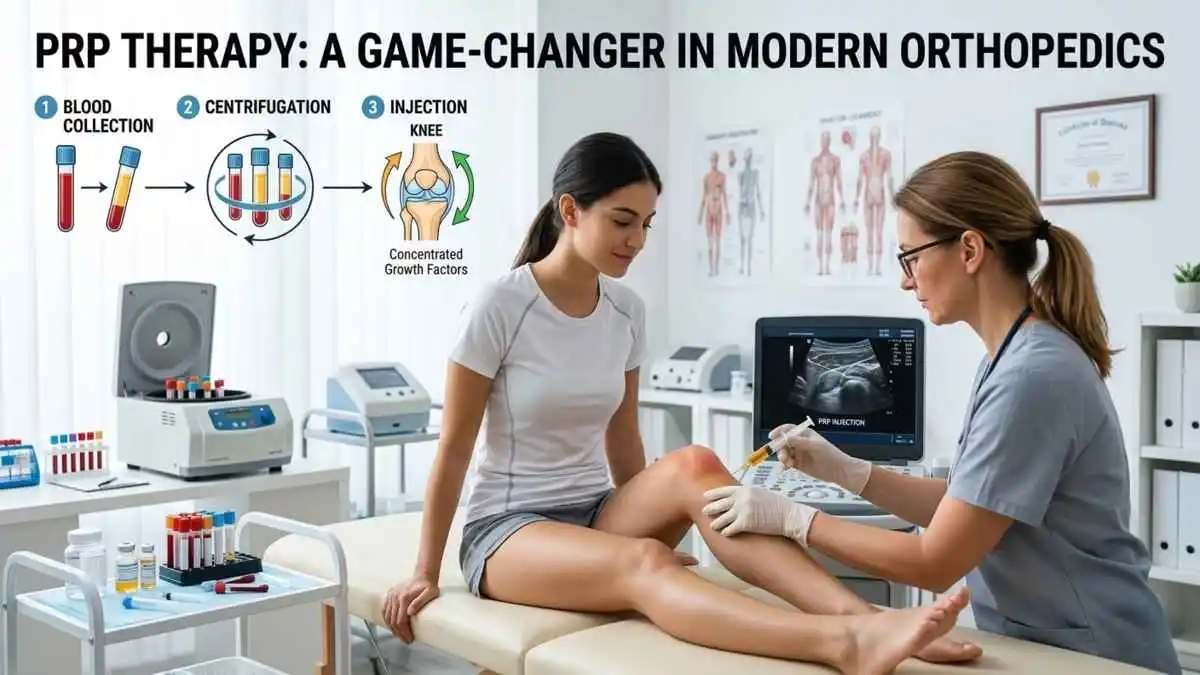
Platelet-Rich Plasma (PRP) therapy is revolutionizing orthopedics by harnessing the healing power of an individual’s own blood. The treatment starts with a simple blood draw, after which the blood sample is spun in a centrifuge to concentrate the platelets, the tiny cell fragments responsible for clotting and tissue repair. These platelets are then suspended in a small amount of plasma and injected back into the affected joint or tissue, providing a natural boost to the body’s healing process. PRP Injections have become a popular choice for patients seeking minimally invasive alternatives to surgery and drug therapies.
What makes PRP intriguing is its ability to deliver growth factors directly where they are most needed, helping repair cell damage and stimulate the production of new tissue. This process harnesses the body’s innate healing capacity, making it an attractive option for a range of musculoskeletal injuries, from degenerative joint diseases to sports injuries.
As more people prioritize rehabilitation methods that avoid the risks and downtime of surgery, PRP therapy stands out for its safety profile. The risk of complications is low because it uses autologous material, derived from the patient’s own body, greatly reducing the likelihood of allergic reactions or transmissible infections. PRP therapy is also shaping the standard of care by offering potential improvements in function and comfort with fewer side effects, making it suitable for active individuals and those for whom surgery is not appropriate. As a regenerative technique, PRP continues to attract attention within both the medical community and among patients exploring innovative solutions for joint and tendon pain.
Applications in Orthopedics
Orthopedic doctors increasingly rely on PRP injections to treat a spectrum of conditions that previously required more invasive intervention. The most common applications include:
- Tendinopathies: Chronic injuries to tendons such as tennis elbow (lateral epicondylitis) or Achilles tendinitis often respond well to PRP, especially when conservative treatments have failed.
- Osteoarthritis: Early-stage osteoarthritis sufferers report pain relief and improved joint mobility following PRP administration, with studies indicating slowed disease progression in some cases.
- Ligament and Muscle Injuries: Sprains, strains, and partial tears sustained by athletes or those with active lifestyles can heal more rapidly with PRP’s regenerative boost, often allowing a quicker return to activity.
According to Harvard Health Publishing, clinical trials continue to support the expanding use of PRP for knee osteoarthritis, rotator cuff injuries, and other joint disorders, as it can provide longer-lasting symptom relief than cortisone injections or physical therapy alone.
Advantages Over Traditional Treatments
What sets PRP therapy apart is its minimally invasive nature. Unlike surgery, which can involve lengthy recovery and significant risks, PRP typically involves little downtime. Most patients can return to their normal activities soon after the procedure, with only mild soreness at the injection site.
- Safety: Since PRP utilizes the patient’s own blood, it almost eliminates the chance of immune rejection or transmission of disease.
- Convenience: Appointments require less time than surgical procedures, and there is no need for general anesthesia.
- Clinical Outcomes: Many patients experience pain reduction and functional improvement that outlasts steroid injections, especially for chronic conditions.
These advantages make PRP particularly suitable for individuals unable or unwilling to undergo surgery, as well as for athletes who need a faster recovery with minimal interruption to their training.
Scientific Evidence Supporting PRP
A growing body of research confirms PRP’s effectiveness in orthopedics, but results can be mixed due to differences in how the therapy is prepared and administered. A review of the literature found that patients with osteoarthritis achieved statistically significant reductions in pain and improvements in function when treated with PRP compared with placebo or hyaluronic acid injections. Real-world results support these findings, with many orthopedic clinics reporting high satisfaction among patients with joint and tendon issues resistant to conventional therapy. Still, experts recognize the need for larger randomized trials and better standardization to maximize the therapy’s potential and guide best practices.
Considerations and Limitations
No single therapy is perfect for everyone. The success of PRP depends on several variables, including the specific technique used to separate and concentrate platelets, as well as the patient’s health status and injury type. Not all patients will benefit equally, and some musculoskeletal problems may not respond to PRP.
- Variability in Results: Because of the wide variance in PRP formulations and dosages, results may differ even among patients with similar conditions.
- Patient Suitability: A thorough examination by an orthopedic specialist can help determine if PRP is appropriate; those with active infections or certain blood disorders are usually not candidates.
- Regulatory Oversight: PRP is classified differently across countries and regions, leading to variations in availability, cost, and insurance coverage.
Future Directions
The future of PRP therapy in orthopedics looks promising. Scientists are working to establish standardized protocols for blood processing and injection timing to ensure consistent results. In addition, research is examining the synergy between PRP and other regenerative interventions such as stem cell therapy, scaffolds, or advanced imaging techniques, which may further improve outcomes in complex cases. With new studies constantly underway, the hope is that PRP will ultimately expand its role not only in joint pain and tendon injuries but also in accelerating rehabilitation after surgery or trauma.
Conclusion
PRP therapy offers a natural and innovative solution for those suffering from orthopedic conditions, providing pain relief and improved function by activating the body’s intrinsic healing capabilities. As research continues to evolve, the future holds even greater potential for integrating PRP into mainstream regenerative medicine. Patients interested in exploring this therapy should consult a board-certified orthopedic specialist to determine if it is an appropriate option for their specific needs.


Tech Etruesports: The Evolution of Competitive Gaming

Ceıvır: Traditional Turkish Dish with Rich Flavors

GNHUSTGames: The Ultimate Platform for Unblocked Games

Kraams: The Heart of Dutch Market Culture

Butterfly Position: How to Do Baddha Konasana Safely

Tissariss Textile Art: A Tradition of Cultural Weaving

Anna Archive: Free Shadow Library Search Engine

Bl_Faceless: Anonymous Digital Creators Redefining the Digital Space

Pepe Coin Overview: Inside the Meme Cryptocurrency Craze

Lotus Position (Padmasana): How to Do It Safely and Avoid Knee Pain

How to Prepare for a Gynaecology Appointment

RPDJAFUD: The Future of AI-Driven Cybersecurity and Automation

News JotechGeeks: Leading Source for Tech Updates

How to Meditate Daily Without Trying to “Empty Your Mind”

Eporer: Modern Data Visualization & Analytics Platform
-
 GENERAL1 year ago
Christofle – For Those Who Dream of Family Heirloom Silver
-
SPORTS1 month ago
Discover the World of Football with Streameast: Watch Your Favorite Leagues and Tournaments
-
HOME IMPROVEMENT1 year ago
Spacious and Stylish 300cm Round Rugs: Elegant and Modern Designs for a Chic Home Decor
-
GENERAL8 months ago
Uncovering the World of кинокрадко: The Dark Side of Film Piracy