
HEALTH AND FITNESS
Privacy Curtain Design Considerations for Hospitals, Clinics, and Medical Centers

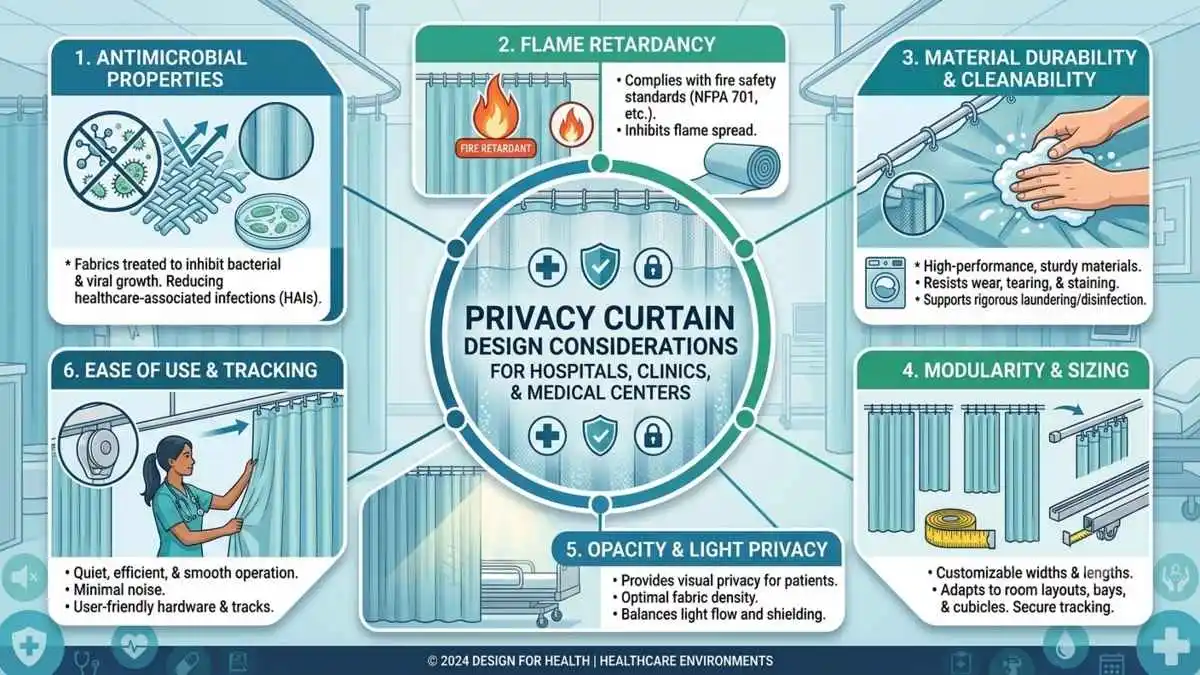
Privacy curtains are a standard feature in hospitals, clinics, medical centers, and other healthcare environments. While they are often viewed primarily as tools for creating visual separation between patients, research and healthcare facility experience show that curtain design plays a much larger role in patient safety, infection prevention, operational efficiency, regulatory compliance, and overall patient satisfaction.
Modern healthcare facilities face increasing pressure to improve infection control, enhance patient experiences, maintain compliance with healthcare regulations, and manage operational costs. As a result, privacy curtains are no longer selected solely based on appearance or price. Healthcare leaders now evaluate curtain systems as critical components of the patient care environment.
From fabric selection and antimicrobial performance to fire safety compliance and quick-change functionality, multiple design factors influence how effectively privacy curtains support healthcare operations.
Table of Contents
KEY TAKEAWAYS
- Privacy curtain design directly affects patient safety, infection prevention, compliance, and operational efficiency.
- Healthcare facilities increasingly prioritize healthcare-grade materials, antimicrobial fabrics, and durable construction.
- Fire safety compliance, ease of maintenance, and replacement efficiency are critical design considerations.
- Patient comfort and perception are influenced by curtain color, appearance, and overall condition.
- Modern quick-change curtain systems help facilities maintain evidence-based replacement schedules while reducing labor requirements.
Why Privacy Curtain Design Matters
Healthcare environments are fundamentally different from commercial buildings, hotels, or office spaces.
Every element within a patient care environment can influence safety, infection prevention, workflow efficiency, and patient experience. Privacy curtains are among the most frequently touched surfaces in healthcare settings, making their design particularly important.
Patients, nurses, physicians, technicians, visitors, and environmental services personnel may interact with privacy curtains dozens of times each day. Research has demonstrated that these repeated interactions can contribute to microbial contamination, making curtain design a relevant consideration for infection prevention programs.
A well-designed hospital privacy curtain system should do more than provide privacy. It should support healthcare objectives while helping facilities maintain a clean, safe, and efficient environment.
Supporting Patient Privacy and Dignity
The primary purpose of any privacy curtain is to protect patient dignity and confidentiality.
Healthcare facilities routinely use curtains to create temporary private spaces for:
- Physical examinations
- Medical consultations
- Personal care activities
- Patient assessments
- Family discussions
- Recovery and observation
Patients often feel vulnerable during healthcare encounters. Privacy curtains help create a sense of personal space and comfort, particularly in multi-bed rooms, emergency departments, and treatment bays.
When privacy solutions are poorly designed, damaged, or inadequate, they can negatively affect patient perceptions of care quality and professionalism.
For this reason, effective privacy curtain design begins with ensuring sufficient coverage, appropriate dimensions, and reliable functionality.
Infection Prevention Considerations
One of the most significant developments in healthcare curtain design has been the growing emphasis on infection prevention.
Research has consistently shown that privacy curtains can become contaminated with microorganisms within days of installation. Studies have identified contamination involving pathogens commonly associated with healthcare-associated infections (HAIs), including:
- Methicillin-resistant Staphylococcus aureus (MRSA)
- Vancomycin-resistant Enterococci (VRE)
- Clostridioides difficile
- Acinetobacter species
- Other multidrug-resistant organisms
Because curtains function as high-touch surfaces, design features that support infection-control efforts have become increasingly important.
Healthcare organizations now frequently prioritize curtain systems that facilitate routine cleaning, replacement, and maintenance.
Selecting Healthcare-Grade Curtain Fabrics
Fabric selection is one of the most important design considerations.
Healthcare-grade curtain fabrics are specifically engineered to withstand the unique demands of clinical environments.
Key characteristics often include:
- Durability
Hospital curtains experience frequent handling, laundering, and replacement.
High-quality fabrics maintain their structural integrity through repeated cleaning cycles while resisting tears, fraying, and premature wear.
- Antimicrobial Protection
Many modern healthcare curtains incorporate antimicrobial technologies designed to inhibit bacterial growth on fabric surfaces.
While antimicrobial treatments do not eliminate the need for routine laundering and replacement, they may help slow contamination buildup between maintenance cycles.
- Fluid Resistance
Some healthcare fabrics are designed to resist fluid absorption, reducing the likelihood of contaminants penetrating curtain materials.
This can help support environmental hygiene efforts in patient care areas.
- Color Retention
Healthcare facilities often require curtains that maintain their appearance despite frequent laundering and heavy use.
Fade-resistant fabrics help preserve a clean and professional appearance over time.
Fire Safety and Regulatory Compliance
Privacy curtains must comply with applicable fire safety standards.
Healthcare facilities operate under strict safety regulations designed to protect patients, visitors, and staff. Curtain materials that fail to meet required fire performance standards may create compliance risks and potential safety concerns.
Healthcare facility managers typically evaluate privacy curtains based on:
- Flame resistance
- Fire code compliance
- Manufacturer certifications
- Documentation requirements
- Healthcare-specific safety standards
Selecting compliant curtain systems helps support accreditation readiness and regulatory compliance efforts.
Designing for Efficient Maintenance
Research increasingly suggests that contamination can accumulate long before curtains show visible signs of dirt or wear.
As a result, many healthcare facilities implement scheduled curtain replacement programs rather than relying solely on visual inspections.
However, replacement efficiency depends heavily on curtain system design.
Traditional curtain systems often require:
- Rolling ladders
- Multiple staff members
- Extended labor time
- Workflow interruptions
These operational barriers can make frequent replacement difficult to sustain.
Modern privacy curtain systems increasingly incorporate quick-change designs that simplify curtain replacement.
Benefits may include:
- Faster curtain exchange
- Reduced labor costs
- Improved compliance with replacement schedules
- Enhanced staff safety
- Minimal disruption to patient care activities
Healthcare organizations increasingly view maintenance efficiency as an essential design consideration rather than an afterthought.
Ceiling Track System Compatibility
Curtain performance depends not only on fabric design but also on the supporting track system.
Well-designed curtain systems should integrate seamlessly with healthcare facility layouts and workflows.
Important considerations include:
- Smooth curtain movement
- Reliable track durability
- Compatibility with existing infrastructure
- Ease of installation
- Future replacement flexibility
Track systems that are difficult to maintain or operate can create frustration for healthcare staff and reduce operational efficiency.
Healthcare facilities often favor systems designed for long-term reliability and simplified maintenance.
Balancing Privacy and Accessibility
Healthcare spaces must balance patient privacy with rapid access to care.
Curtain design should support both objectives.
For example:
- Curtains should provide sufficient visual separation.
- Staff should be able to access patients quickly during emergencies.
- Curtain systems should not interfere with medical equipment.
- Designs should accommodate changing room configurations.
This balance is particularly important in emergency departments, intensive care units, and treatment areas where rapid response may be critical.
Effective curtain design allows facilities to maintain privacy without compromising clinical functionality.
Patient Experience and Environmental Design
Research increasingly shows that healthcare environments influence patient perceptions, comfort levels, and overall satisfaction.
Privacy curtains contribute to the visual environment of patient care spaces and can affect how patients perceive cleanliness and professionalism.
Healthcare designers often consider factors such as:
Color Selection
Colors may influence patient mood and environmental comfort.
Many facilities choose calming tones such as:
- Soft blues
- Greens
- Neutral colors
- Nature-inspired palettes
These selections help create a more welcoming healthcare environment.
Visual Appearance
Clean, modern curtain designs can contribute to a positive impression of the facility.
Conversely, faded, stained, or outdated curtains may negatively affect patient perceptions even when clinical care remains excellent.
Consistency Across Departments
Consistent curtain design throughout a facility can reinforce branding, professionalism, and a cohesive patient experience.
Cost Considerations Beyond Initial Purchase Price
Healthcare procurement teams often focus on acquisition costs when evaluating hospital curtains options.
However, research and operational experience suggest that long-term value extends beyond the initial purchase price.
Factors affecting total ownership costs may include:
- Curtain lifespan
- Laundering requirements
- Replacement frequency
- Labor costs
- Compliance support
- Maintenance efficiency
Lower-cost products may require more frequent replacement or create additional labor burdens that offset upfront savings.
Many healthcare organizations evaluate privacy curtain systems based on lifecycle costs rather than purchase price alone.
What Healthcare Facilities Look for in Modern Privacy Curtain Systems
As healthcare environments evolve, privacy curtain design continues to advance.
Healthcare leaders increasingly prioritize solutions that support both patient safety and operational efficiency.
Common priorities include:
- Healthcare-grade fabrics
- Antimicrobial options
- Fire safety compliance
- Durable construction
- Fluid-resistant materials
- Quick-change functionality
- Easy maintenance
- Compatibility with healthcare workflows
- Documentation support for compliance programs
These features help healthcare facilities address multiple objectives simultaneously while simplifying the management.
The Bottom Line
Privacy curtain design plays a far greater role in healthcare operations than many facilities realize. Beyond providing visual separation, privacy curtains contribute to infection prevention, patient safety, regulatory compliance, workflow efficiency, and patient satisfaction.
Research demonstrates that privacy curtains are high-touch environmental surfaces that require thoughtful selection and management. Healthcare organizations increasingly prioritize healthcare-grade materials, antimicrobial fabrics, fire safety compliance, durability, and maintenance efficiency when evaluating curtain systems.
Modern solutions such as ZipQuick Original Quick-Change Hospital Curtains are designed around these considerations, helping hospitals, clinics, and medical centers maintain safer, cleaner, and more efficient patient care environments while supporting long-term operational goals.
FREQUENTLY ASKED QUESTIONS
Q: Why is privacy curtain design important in healthcare facilities?
Privacy curtain design affects patient safety, infection prevention, compliance, maintenance efficiency, and patient experience.
Q: What type of fabric is best for healthcare privacy curtains?
Healthcare-grade fabrics designed for durability, antimicrobial protection, fluid resistance, and repeated laundering are often preferred.
Q: Do antimicrobial curtains prevent infections?
Antimicrobial fabrics may help slow bacterial growth on curtain surfaces, but they should be used alongside routine cleaning, replacement, and infection-control practices.
Q: Why do hospitals use quick-change curtain systems?
Quick-change systems simplify curtain replacement, reduce labor requirements, improve compliance, and support more consistent infection-control practices.
Q: How do privacy curtains affect patient satisfaction?
Clean, attractive, and well-maintained curtains contribute to perceptions of cleanliness, professionalism, comfort, and overall quality of care.
Q: What compliance requirements apply to hospital privacy curtains?
Privacy curtains must typically meet applicable fire safety standards and support healthcare facility infection-control and environmental safety policies.


Tech Etruesports: The Evolution of Competitive Gaming

Ceıvır: Traditional Turkish Dish with Rich Flavors

GNHUSTGames: The Ultimate Platform for Unblocked Games

Kraams: The Heart of Dutch Market Culture

Butterfly Position: How to Do Baddha Konasana Safely

Tissariss Textile Art: A Tradition of Cultural Weaving

Anna Archive: Free Shadow Library Search Engine

Bl_Faceless: Anonymous Digital Creators Redefining the Digital Space

Pepe Coin Overview: Inside the Meme Cryptocurrency Craze

Lotus Position (Padmasana): How to Do It Safely and Avoid Knee Pain

How to Prepare for a Gynaecology Appointment

RPDJAFUD: The Future of AI-Driven Cybersecurity and Automation

News JotechGeeks: Leading Source for Tech Updates

How to Meditate Daily Without Trying to “Empty Your Mind”

Eporer: Modern Data Visualization & Analytics Platform
-
 GENERAL1 year ago
Christofle – For Those Who Dream of Family Heirloom Silver
-
SPORTS1 month ago
Discover the World of Football with Streameast: Watch Your Favorite Leagues and Tournaments
-
HOME IMPROVEMENT1 year ago
Spacious and Stylish 300cm Round Rugs: Elegant and Modern Designs for a Chic Home Decor
-
GENERAL8 months ago
Uncovering the World of кинокрадко: The Dark Side of Film Piracy