HEALTH AND FITNESS
Can Ruptured Disc Heal on Its Own? What Actually Happens

The Short Answer
Many people recover without surgery, especially when the herniation is causing pain but not severe nerve damage. Studies using MRI scans have shown that large herniated discs can shrink over months as the body reabsorbs the displaced disc material.
The important distinction is this:
| What heals | What may remain |
| Inflammation around the nerve | Degeneration of the disc |
| Nerve irritation | Some loss of disc height |
| Pain symptoms | Structural changes on MRI |
| Disc bulge size (often decreases) | Risk of future flare-ups |
So if you are asking “Can ruptured disc heal on its own?”, the evidence-based answer is yes, symptoms often improve substantially without surgery, and the herniated fragment may partially or completely shrink over time.
Table of Contents
What Is a Ruptured Disc?
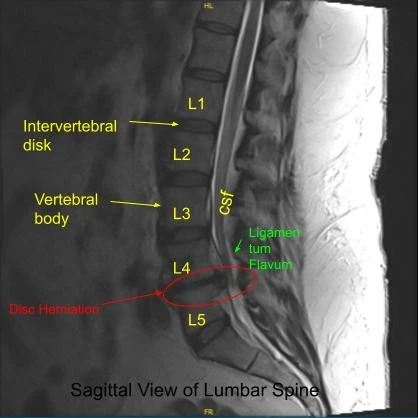
A ruptured disc occurs when the soft inner material of an intervertebral disc pushes through a tear in the tougher outer layer. The most common location is the lumbar spine (lower back), particularly at L4-L5 or L5-S1.
This matters because the escaped disc material can press on nearby nerve roots, causing:
- Low back pain
- Leg pain (sciatica)
- Numbness or tingling
- Weakness in the leg or foot
- Pain that worsens with sitting, coughing, or bending
How Does the Body Heal a Ruptured Disc?
The body uses a process called spontaneous resorption. This is one of the most overlooked facts in many articles.
Here is what happens:
- Inflammation identifies the disc material as abnormal. Once disc material escapes outside its normal space, the immune system can recognize it.
- Blood vessels grow into the area. This allows immune cells to reach the herniated fragment.
- Macrophages break down the disc material. These cells gradually digest and remove portions of the herniation.
- The fragment shrinks. MRI studies often show a measurable reduction in size over several months.
- Nerve pressure decreases. As inflammation and compression lessen, pain improves.
Interestingly, larger extruded or sequestrated herniations may shrink more dramatically than small, contained bulges because the immune system can access them more easily.
How Long Does It Take?
Recovery is rarely immediate. A realistic timeline is:
| Time | What often happens |
| 1–2 weeks | Acute pain may be severe |
| 2–6 weeks | Inflammation begins to settle |
| 6–12 weeks | Many people notice major improvement |
| 3–6 months | Herniation may shrink significantly |
| 6–12 months | Continued gradual recovery |
A common mistake is expecting complete recovery within a few days. Nerve tissue heals much more slowly than muscle.
What Are the Chances of Healing Without Surgery?
Research suggests that a large percentage of lumbar disc herniations improve with conservative treatment. Many patients experience substantial pain relief within 6–12 weeks.
Your chances are better if:
- Pain is improving week by week
- You can walk normally
- There is no significant muscle weakness
- Bowel and bladder function are normal
- Symptoms are primarily pain rather than progressive neurologic loss
What Conservative Treatment Actually Helps?
The goal is not to “push the disc back in.” The goal is to reduce inflammation, maintain movement, and allow natural healing.
Most Helpful
- Short period of relative rest (not prolonged bed rest)
- Walking several times daily
- Physical therapy focused on mobility and core stability
- Anti-inflammatory medications if appropriate
- Gradual return to normal activities
- Good sitting and lifting mechanics
Less Helpful Than Many People Think
- Complete bed rest for days or weeks
- Aggressive spinal manipulation during severe acute pain
- Repeated heavy lifting “to strengthen the back”
- Wearing a back brace continuously
Signs Your Disc Is Probably Healing
These are encouraging signs:
- Leg pain is becoming less intense
- Pain is moving out of the foot and back toward the buttock
- You can sit longer than before
- Walking distance is increasing
- Need for pain medication is decreasing
- Sleep is improving
An expert observation: Improvement in leg pain is often more important than improvement in back pain. Sciatica usually reflects nerve irritation, so when it decreases, the nerve is often recovering, even if some back stiffness remains.
When a Ruptured Disc May Not Heal Adequately
Some situations require closer medical evaluation:
- Progressive muscle weakness
- Foot drop
- Loss of bowel or bladder control
- Numbness in the groin or saddle area
- Severe pain that remains unchanged after several weeks
- Symptoms that repeatedly recur despite appropriate rehabilitation
These may indicate significant nerve compression that could require surgical treatment.
What Does Surgery Do?
Surgery does not “heal” the disc either. The most common procedure, microdiscectomy, removes the portion of the disc material that is pressing on the nerve.
Why choose surgery?
- Faster relief of severe leg pain
- Treatment of significant neurologic deficits
- Relief when conservative treatment fails
Long-term outcomes between surgery and non-surgical treatment are often more similar than many people expect, especially when there is no major neurologic deficit.
A Useful Decision Framework
Ask yourself these questions:
| Question | What does it suggests |
| Is the pain improving each week? | Continue conservative care |
| Can I walk and perform basic activities? | Good sign for natural recovery |
| Is the weakness getting worse? | Seek urgent medical evaluation |
| Any bowel/bladder changes? | Emergency evaluation needed |
| Has there been no improvement after 6–12 weeks? | Discuss further imaging or surgery |
The Bottom Line
So, can ruptured disc heal on its own? In many cases, yes. The body can reduce the size of the herniated disc through an immune-mediated resorption process, and symptoms often improve substantially within 6–12 weeks.
The key insight is that healing is usually defined by recovery of function and reduction of pain, not by the disc returning to a perfectly normal appearance on MRI. Many people continue to show some disc abnormality on imaging long after they are pain-free and fully active.
Authoritative References
- National Institute of Arthritis and Musculoskeletal and Skin Diseases (NIAMS): Back Pain
- National Institute of Neurological Disorders and Stroke: Low Back Pain
FAQs
1. Can a ruptured disc completely disappear?
Yes. In some cases, MRI scans show near-complete disappearance of the herniated fragment after several months.
2. Can I exercise with a ruptured disc?
Usually yes, but the type of exercise matters. Walking and guided physical therapy are generally safer than heavy lifting during the acute phase.
3. Is bed rest recommended?
No. More than a day or two of bed rest is usually discouraged because it can lead to stiffness, muscle weakness, and slower recovery.
4. Will the pain come back?
It can. The disc remains vulnerable to future degeneration, but many people stay symptom-free for years with good conditioning and movement habits.
5. Do I need an MRI immediately?
Not always. If there are no red-flag symptoms such as progressive weakness, bowel/bladder problems, or severe neurologic deficits, many guidelines recommend initial conservative treatment before obtaining advanced imaging.


Lizard Pose: A Complete Guide to Form & Flexibility

Tech Etruesports: The Evolution of Competitive Gaming

Ceıvır: Traditional Turkish Dish with Rich Flavors

GNHUSTGames: The Ultimate Platform for Unblocked Games

Kraams: The Heart of Dutch Market Culture

Butterfly Position: How to Do Baddha Konasana Safely

Tissariss Textile Art: A Tradition of Cultural Weaving

Anna Archive: Free Shadow Library Search Engine

Bl_Faceless: Anonymous Digital Creators Redefining the Digital Space

Pepe Coin Overview: Inside the Meme Cryptocurrency Craze

Lotus Position (Padmasana): How to Do It Safely and Avoid Knee Pain

How to Prepare for a Gynaecology Appointment

RPDJAFUD: The Future of AI-Driven Cybersecurity and Automation

News JotechGeeks: Leading Source for Tech Updates

How to Meditate Daily Without Trying to “Empty Your Mind”
-
 GENERAL1 year ago
Christofle – For Those Who Dream of Family Heirloom Silver
-
SPORTS1 month ago
Discover the World of Football with Streameast: Watch Your Favorite Leagues and Tournaments
-
HOME IMPROVEMENT1 year ago
Spacious and Stylish 300cm Round Rugs: Elegant and Modern Designs for a Chic Home Decor
-
GENERAL8 months ago
Uncovering the World of кинокрадко: The Dark Side of Film Piracy