
HEALTH AND FITNESS
Breast Augmentation in Your 20s, 30s and 40s: What May Differ?

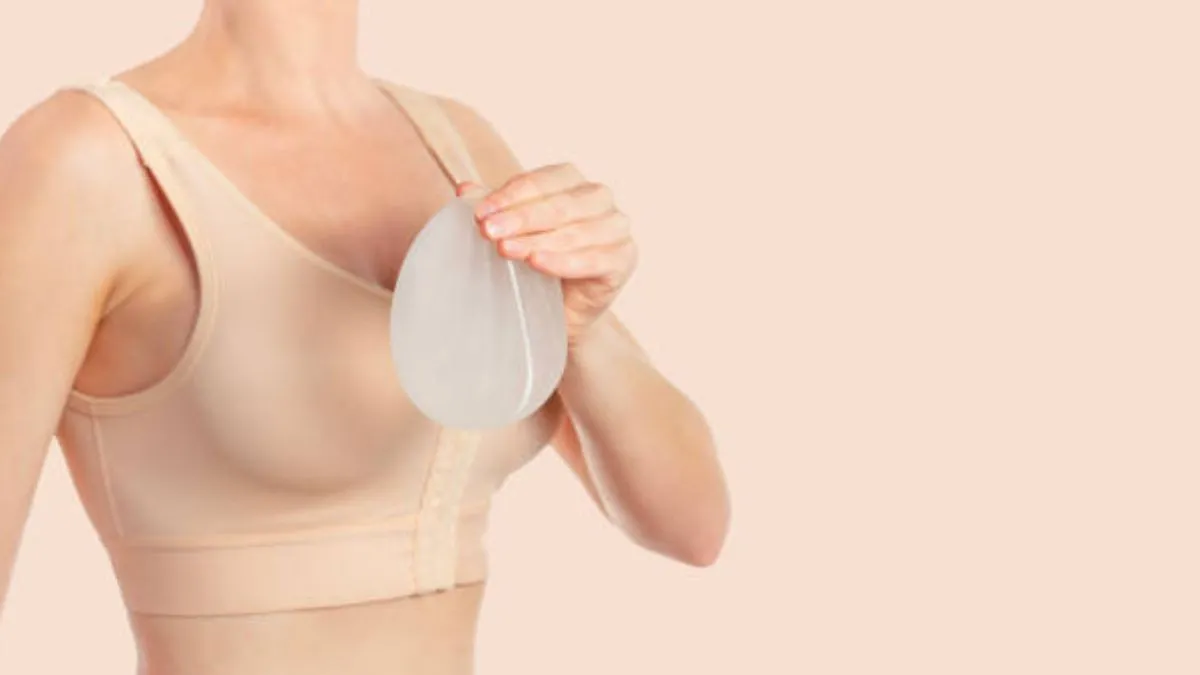
Breast augmentation is a procedure that may be considered by women who want to change breast size, shape, fullness, or symmetry. It may involve breast implants, fat transfer, or a combination approach, depending on patient goals, body anatomy, available tissue, and medical suitability.
Age can affect the consultation because breast tissue, skin quality, pregnancy plans, breastfeeding history, screening needs, and long-term implant planning may differ between women in their 20s, 30s and 40s. However, age alone does not determine whether someone is suitable for surgery. A woman’s health, expectations, breast anatomy, lifestyle, family plans and personal reasons all matter.
Table of Contents
What Is Breast Augmentation?
Breast augmentation is a surgical procedure that changes breast volume and shape. It is commonly performed using implants, although fat transfer may also be discussed for selected patients.
Breast implants may be placed by a plastic surgeon through different incision sites and may sit above or below the chest muscle, depending on anatomy and surgical planning. Fat transfer involves removing fat from another area of the body through liposuction, processing it, and placing it into the breast area.
The suitable option depends on:
- Current breast size and shape
- Breast skin quality
- Amount of existing breast tissue
- Chest wall shape
- Breast symmetry
- Nipple position
- Desired change
- Availability of donor fat, if considering fat transfer
- Pregnancy and breastfeeding plans
- Screening history
- General health
- Willingness to accept future maintenance or revision
A consultation should include discussion of benefits, limitations, risks, recovery, follow-up and long-term considerations.
Why Age May Affect Breast Augmentation Planning
Breast augmentation planning may differ by life stage because the body and priorities can change over time. Women in their 20s may be thinking about long-term lifestyle, future pregnancy and implant maintenance. Women in their 30s may be weighing surgery against pregnancy, breastfeeding, career, childcare or body changes after childbirth. Women in their 40s may need to discuss breast screening, tissue changes, skin laxity, and whether augmentation alone is enough to address their concern.
Age-related planning may involve:
- Skin elasticity
- Breast tissue volume
- Nipple position
- Degree of breast sagging
- Pregnancy plans
- Breastfeeding considerations
- Mammogram or breast screening needs
- Healing and recovery logistics
- Implant lifespan and future revision
- Health conditions and medication use
The goal is not to choose surgery based only on age, but to match the surgical plan to the patient’s anatomy, health and priorities.
Breast Augmentation in Your 20s
Women in their 20s may consider breast augmentation because of naturally smaller breast size, breast asymmetry, body proportion concerns, or personal preference. Some may have thought about the procedure for several years, while others may be exploring it for the first time.
Common considerations in this age group may include:
- Whether breast development has fully stabilised
- Whether the patient’s reasons are personal and not due to outside pressure
- Future pregnancy and breastfeeding plans
- Long-term implant maintenance
- Possible need for revision later in life
- Lifestyle, sports, exercise and clothing preferences
- Budgeting for surgery and future follow-up
Women in their 20s should understand that implants are not lifetime devices. Even if recovery goes smoothly, future monitoring, replacement or revision may be needed. This is an important part of decision-making for younger patients because the implants may remain in place for many years.
Pregnancy and Breastfeeding Considerations in Your 20s
Some women in their 20s have not yet had children. Breast augmentation does not automatically prevent future pregnancy or breastfeeding, but surgery may affect the breast tissue, nipple sensation or milk production in some cases.
Patients should discuss:
- Whether they plan to become pregnant in the future
- Whether breastfeeding is important to them
- Incision placement
- Implant placement
- Possible changes to breast size and shape after pregnancy
- Whether pregnancy may affect the surgical result
- Whether they may need revision later
Some women decide to proceed before pregnancy, while others prefer to wait. The decision depends on personal timing, anatomy, expectations and medical advice.
Breast Augmentation in Your 30s
Women in their 30s may consider breast augmentation for reasons that overlap with their 20s, but additional factors may be part of the consultation. Some patients may be planning pregnancy, currently between pregnancies, breastfeeding, or noticing breast changes after childbirth or weight changes.
Common concerns in this age group may include:
- Loss of breast fullness after pregnancy
- Breast volume changes after breastfeeding
- Mild breast sagging
- Breast asymmetry
- Desire to restore previous breast proportions
- Balancing surgery with work and family responsibilities
- Planning recovery around childcare
- Considering whether a breast lift is also needed
In some cases, implants alone may change volume but may not correct sagging. If the nipple sits lower or there is significant loose skin, a breast lift may be discussed together with or instead of augmentation.
Recovery Planning in Your 30s
Recovery planning may be especially practical for women in their 30s who have work, caregiving or childcare responsibilities. Breast augmentation recovery often involves avoiding heavy lifting, strenuous activity and certain upper body movements for a period of time.
Patients with young children should ask:
- When can I carry my child again?
- How long should I avoid lifting?
- Do I need help at home after surgery?
- When can I drive?
- When can I return to work?
- When can I resume exercise?
- What type of support garment is needed?
Arranging help at home and planning leave from work can make recovery more manageable.
Breast Augmentation in Your 40s
Women in their 40s may consider breast augmentation because of breast volume loss, changes after pregnancy, ageing-related tissue changes, breast asymmetry, or previous implant concerns. This life stage may require additional discussion about breast screening, skin quality, breast sagging and medical history.
Common considerations in this age group may include:
- Mammogram or breast screening history
- Family history of breast cancer
- Breast lumps or previous breast biopsies
- Skin laxity
- Breast sagging
- Nipple position
- Need for breast lift with augmentation
- General health and medication use
- Longer-term implant monitoring
- Recovery around work and lifestyle
Women in their 40s should tell the doctor about any breast symptoms, previous abnormal scans, family history or breast procedures. If screening is due, the doctor may advise completing appropriate breast assessment before elective surgery.
Breast Screening and Implants
Breast implants do not replace breast screening. Women should continue age-appropriate screening and medical review for breast symptoms.
Before surgery, patients should discuss:
- Whether a mammogram is due
- Whether ultrasound is needed
- Family history of breast cancer
- Previous breast lumps or biopsy results
- How implants may affect future imaging
- Whether special mammogram views may be needed
- What symptoms should prompt review
Patients with implants should inform the radiographer before a mammogram so that appropriate imaging techniques can be used. Any new breast lump, swelling, pain, nipple discharge, skin change, or change around an implant should be assessed.
Implant Choice Across Different Ages
Implant choice should be based on anatomy and goals rather than age alone. The doctor may discuss implant size, shape, surface, fill type, placement and incision location.
Factors that may affect implant choice include:
- Chest width
- Existing breast tissue
- Skin thickness
- Breast shape
- Nipple position
- Degree of sagging
- Lifestyle and exercise habits
- Desired degree of change
- Future pregnancy plans
- Screening needs
- Revision risk
Patients should avoid choosing implant size based only on photographs or trends. The same implant can look different on different bodies.
Fat Transfer Across Different Ages
Fat transfer may be discussed for selected patients who want a limited increase in breast volume and have suitable donor fat. It may be considered by women in their 20s, 30s or 40s, but suitability depends on body shape, fat availability, breast tissue, expectations and medical history.
Fat transfer may involve:
- Liposuction from another body area
- Processing of fat
- Placement of fat into the breast area
- Possibility that some transferred fat may not remain
- Need for realistic expectations about volume change
- Possible need for further procedures
Fat transfer may not be suitable for patients seeking a larger volume change or those without enough donor fat. The doctor should also discuss how future breast imaging may be interpreted after fat grafting.
When a Breast Lift May Be Discussed
Breast augmentation increases or changes volume, but it does not always correct sagging. If the breast skin is stretched or the nipple sits lower, a breast lift may be considered.
A breast lift may be discussed when there is:
- Nipple position below the breast fold
- Loose or stretched breast skin
- Significant breast sagging
- Downward-pointing nipples
- Volume loss with skin excess
- Asymmetry involving nipple position
Some patients may need augmentation alone. Others may need a lift, or a combined augmentation and lift. The trade-off is that a breast lift involves additional scars and recovery considerations.
Risks and Long-Term Considerations
Breast augmentation has risks, and patients should understand them before deciding. Risks vary depending on the procedure, implant type, incision, placement, patient health and healing.
Possible risks may include:
- Bleeding
- Infection
- Scarring
- Changes in nipple or breast sensation
- Implant rupture
- Implant movement
- Capsular contracture
- Asymmetry
- Pain or tightness
- Breastfeeding-related uncertainty
- Interference with some breast imaging views
- Need for revision surgery
- Anaesthesia-related risks
- Dissatisfaction with size or shape
Breast implants are also associated with rare implant-related conditions. Patients should ask their doctor about implant safety, warning symptoms, follow-up and when implant removal or replacement may be considered.
Recovery After Breast Augmentation
Recovery varies from patient to patient. Some discomfort, swelling, tightness and bruising may occur after surgery. Patients may need to wear a support garment and avoid heavy lifting or strenuous exercise for a period of time.
Recovery instructions may include:
- Taking medication as prescribed
- Wearing a surgical bra or support garment
- Avoiding strenuous exercise until cleared
- Avoiding heavy lifting
- Sleeping in a recommended position
- Caring for wounds as instructed
- Attending follow-up appointments
- Watching for warning signs
Patients should seek medical advice if they notice fever, worsening redness, pus, heavy bleeding, sudden swelling, severe pain, chest pain, shortness of breath, or symptoms that feel unusual.
Breast augmentation in your 20s, 30s and 40s may involve different considerations. Women in their 20s may need to think carefully about future pregnancy, breastfeeding and long-term implant maintenance. Women in their 30s may need to consider pregnancy-related breast changes, childcare, work schedules and whether a breast lift is needed. Women in their 40s may need additional discussion about screening, skin laxity, breast sagging, medical history and long-term follow-up.
Age alone does not decide suitability. The decision should be based on breast anatomy, health, screening history, expectations, recovery planning, costs, future pregnancy plans and willingness to maintain follow-up.
Patients in Singapore should consult a qualified doctor, understand the risks and limitations, ask about screening and future implant care, and make the decision without pressure.
FAQ
Is there a right age for breast augmentation?
There is no single right age for breast augmentation. Suitability depends on breast anatomy, health, expectations, pregnancy plans, screening needs and medical assessment.
Can I have breast augmentation before pregnancy?
Some women choose breast augmentation before pregnancy, while others prefer to wait. Pregnancy and breastfeeding may change breast size, shape and skin, so future revision may be discussed.
Can I breastfeed after breast augmentation?
Some women can breastfeed after breast augmentation, but breastfeeding may be affected in some cases. This depends on factors such as incision placement, implant placement, breast tissue and individual healing.
Do women in their 40s need a mammogram before breast augmentation?
Women in their 40s should discuss breast screening with their doctor before elective breast surgery, especially if they are due for screening, have symptoms, or have family history.
Is a breast lift needed with breast augmentation?
A breast lift may be discussed if there is significant sagging, loose skin, or low nipple position. Implants can change volume, but they may not correct sagging on their own.
How long do breast implants last?
Breast implants are not lifetime devices. Some patients may need implant replacement, removal or revision in the future because of rupture, capsular contracture, changes in breast shape, or personal preference.
This article is for general information only and should not replace medical advice from a qualified healthcare professional.


What a Transparent Chiropractic Fee Structure Covers

What Is a Medical Pedicure? Why Podiatrist Foot Care Matters Most

Bebasinindo: Championing Freedom in Indonesia

Ankwave: Future of Connectivity with Energy-Efficient Solutions

Afruimwagens: Efficient Mobile Carts for Workspaces

Understanding Formula 1 Standings and Championship Rankings

Do Cats Fart? A Scientific and Behavioral Look at Feline Gas

Hatha Yoga: Balancing Body, Mind, and Energy

Wave_of_Happy_: Cultivating a Positive Mindset for Lasting Joy

Gamer Challenger: Definition, Role, and Competitive Focus

Slope Unblocked: Free Online 3D Ball Running Game

Brand Name Normalization Rules: A Complete Practical Guide

Veneajelu: The Finnish Art of Peaceful Summer Boating

The Journey of iamnobody89757: From Anonymous User to Internet Sensation

Adsy.pw/hb3: The Future of High-Impact Digital Advertising
-
 GENERAL1 year ago
Christofle – For Those Who Dream of Family Heirloom Silver
-
GENERAL9 months ago
Uncovering the World of кинокрадко: The Dark Side of Film Piracy
-
SPORTS2 months ago
Discover the World of Football with Streameast: Watch Your Favorite Leagues and Tournaments
-
HOME IMPROVEMENT2 years ago
Spacious and Stylish 300cm Round Rugs: Elegant and Modern Designs for a Chic Home Decor