
HOME IMPROVEMENT
What Is Standard Exterior Door Size? A Complete Homeowner’s Guide

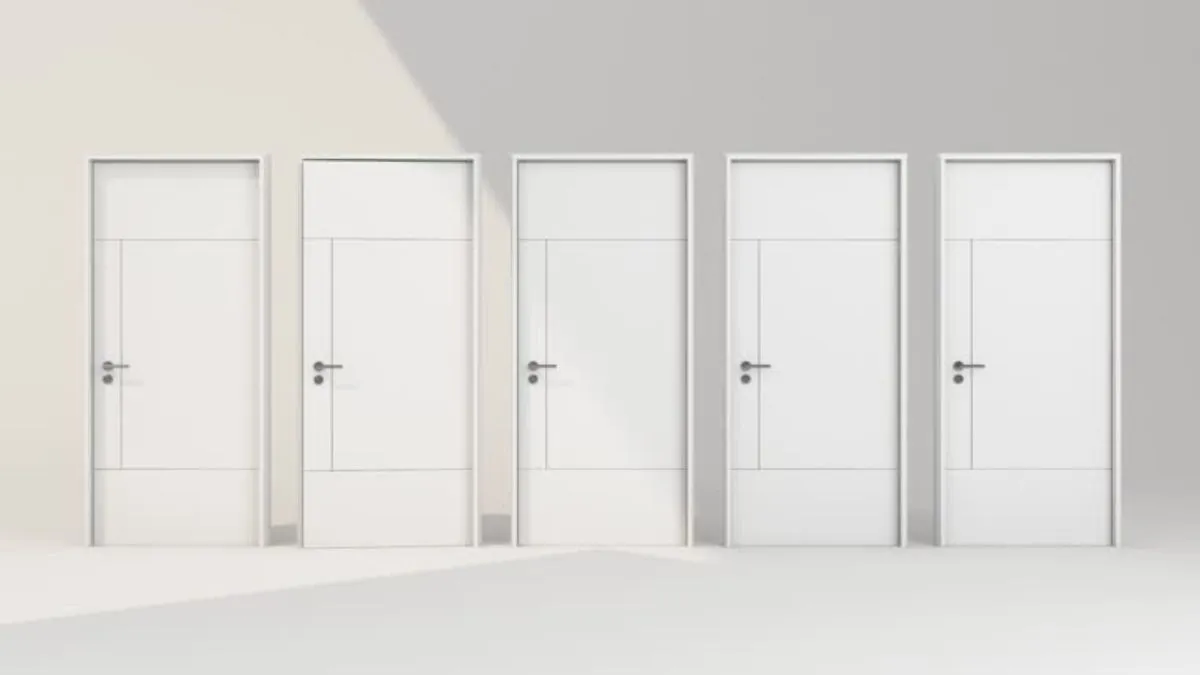
Introduction: Why Exterior Door Size Matters
If you are replacing a front door, planning a renovation, or building a new home, one of the first questions you will ask is: what is standard exterior door size? The short answer is that the most common standard exterior front door size in many modern U.S. homes is 36 inches wide by 80 inches tall. This size is popular because it offers a practical balance of accessibility, curb appeal, security, and convenience.
Choosing the right exterior door size is not just about filling an opening in the wall. Your front door affects energy efficiency, home security, furniture movement, natural light, and the overall first impression of your property. A door that is too small can feel cramped and outdated, while a door that is too large may require expensive structural changes.
Whether you are upgrading your main entrance, replacing a back door, or comparing interior and exterior door sizes, this guide will help you understand the basics clearly.
Table of Contents
What Is Standard Exterior Door Size?
The standard exterior door size is typically 36 inches wide by 80 inches tall, also written as 3 feet by 6 feet 8 inches. This is considered the most common front entry door size and is widely available from manufacturers, making it easier to shop for ready-made options.
Exterior doors are usually wider than interior doors, and 36 inches is the most common exterior door width. That extra width can make a real difference when moving furniture, carrying groceries, or creating a more welcoming entrance.
The standard exterior door height is generally 80 inches, and interior and exterior doors are commonly used the same 80-inch standard height. This makes planning easier because many residential door systems follow similar height conventions.
So, if you are asking, “What size is a standard exterior door?” the most reliable answer is:
Standard exterior door size: 36 inches wide × 80 inches tall
Common Exterior Door Sizes
Although 36 × 80 inches is the most common size, it is not the only option. Stock exterior doors are also commonly available in 30-inch and 32-inch widths. These narrower options may be used for side doors, older homes, utility entrances, or secondary access points.
Another increasingly popular option is the taller 96-inch exterior door, also known as an 8-foot door. Doors that are 96 inches tall are now common in newer homes, especially in modern, luxury, and open-concept properties where homeowners want a more dramatic entryway.
Here are common exterior door dimensions:
- 30 × 80 inches – Often used for smaller exterior access points
- 32 × 80 inches – Common for secondary exterior doors
- 36 × 80 inches – Standard front exterior door size
- 36 × 96 inches – Tall modern exterior door option
If your home has high ceilings, a larger porch, or a modern architectural style, an 8-foot exterior door can create a more elegant and upscale look.
Exterior Door Size vs. Interior Door Size
Many homeowners confuse exterior and interior door dimensions. While the height is often similar, the width and purpose are different.
Standard interior doors are typically 30 to 32 inches wide and 80 inches tall. For bedrooms and bathrooms, common sizes include 30 × 80 inches or 32 × 80 inches. Exterior main entry doors, however, are commonly 36 × 80 inches.
That means your front door is usually wider than your bedroom, bathroom, or hallway doors. This makes sense because exterior doors need to handle more traffic and larger items.
A simple comparison:
| Door Type | Common Size | Typical Use |
| Interior bedroom door | 30 × 80 inches | Bedrooms, bathrooms |
| Interior wider door | 32 × 80 inches | Main rooms, accessibility |
| Exterior front door | 36 × 80 inches | Main entrance |
| Tall exterior door | 36 × 96 inches | Newer or luxury homes |
How to Measure for a Standard Exterior Door
Before buying a new exterior door, you need to measure carefully. Even a small measurement error can create installation problems. Door dimensions must be converted carefully when working with metric plans because even a few millimeters off can make a door too tall or too wide for the frame to close correctly.
Here is a simple way to measure:
- Measure the width
Measure from one side of the door slab to the other. Take measurements at the top, middle, and bottom. - Measure the height
Measure from the top of the door slab to the bottom edge. - Measure the frame or rough opening
The frame must be slightly larger than the slab to allow space for hinges and weatherproofing. - Check the swing direction
Determine whether your door swings inward or outward and whether the hinges are on the left or right. - Look at the threshold
Exterior doors include thresholds, weatherstripping, and seals, so they require more planning than many interior doors.
If you are not confident, it is worth asking a professional installer to confirm the measurements before you place an order.
Why Exterior Door Frame Size Is Important
A common mistake is measuring only the visible door slab and ignoring the frame. However, a door is only as strong and functional as its frame, and exterior door frame sizes must be slightly larger than the slab to fit hinges and weatherproofing.
This matters because your exterior door must protect your home from wind, rain, drafts, noise, and unwanted entry. If the frame is damaged, out of square, or too small, even a high-quality door may not perform well.
A properly sized frame helps with:
- Security
- Weather resistance
- Smooth opening and closing
- Energy efficiency
- Long-term durability
When replacing an exterior door, decide whether you are buying a door slab or a prehung exterior door. A slab is just a door panel, while a prehung door includes the slab already installed in a frame. Prehung doors are often easier for major replacements because the frame and door are designed to work together.
What About Garage Entry Doors?
The door between a garage and the house is another important exterior-style door. A garage entry door must meet specific building code requirements for safety, especially around fire resistance and energy efficiency. These doors also come in standard sizing, which can make replacement and installation more straightforward.
If you are replacing a garage-to-house door, do not choose a regular light-weight interior door. This area usually requires a more durable, code-appropriate option.
Design Trends: Bigger, Brighter, and More Stylish Entry Doors
Exterior doors are no longer just functional. Today, homeowners want entry doors that improve curb appeal and make the home feel more personalized.
Trending exterior door ideas include:
- Tall 8-foot doors for a luxury feel
- Black or dark bronze finishes for modern curb appeal
- Natural wood-look doors for warmth and character
- Glass panels or sidelights for more daylight
- Energy-efficient insulated doors for comfort
- Minimalist hardware for a clean architectural look
Since 96-inch or 8-foot doors are now very common for newer homes, taller doors are especially popular in modern renovations and new-build properties.
However, style should never come before practicality. The best exterior door is one that fits your opening, matches your climate needs, supports security, and complements the home’s architecture.
Lindsey Vonn House-Inspired Interior Door Example
For a stylish interior design example, imagine a Lindsey Vonn house inspired mountain-modern home: warm wood tones, clean white walls, large windows, and a mix of rustic and contemporary finishes. In this type of home, interior doors could use a 32 × 80-inch size, which is a common interior door size for residential spaces.
For example, a bedroom hallway might feature matte black hardware, smooth-panel white doors, and natural oak trim. A primary suite could use taller-looking doors or doors with vertical panel details to create a luxury lodge atmosphere. Bathrooms and bedrooms often use 30 × 80-inch or 32 × 80-inch doors, so this style can still work within standard residential sizing.
This kind of design approach gives a home the feel of a high-end retreat while still using practical, widely available door dimensions.
How to Choose the Right Exterior Door Size
When deciding on the best exterior door size, ask yourself these questions:
- Is this the main front entrance or a secondary door?
- Do I need a wider opening for accessibility?
- Am I replacing only the slab or the full frame?
- Is my current rough opening standard or custom?
- Do I want a traditional 80-inch door or a taller 96-inch modern door?
- Will the new door match the home’s exterior style?
For most homeowners, a 36 × 80-inch exterior door is the easiest and most practical choice because it is the standard front entry size. If your home is newer, larger, or more contemporary, a 36 × 96-inch door may be worth considering because 8-foot doors are common in newer homes.
Final Thoughts
So, what is standard exterior door size? The most common answer is 36 inches wide by 80 inches tall. This size works well for front entrances, offers comfortable access, and is widely available. Interior doors are usually narrower, often 30 to 32 inches wide and 80 inches tall, while newer homes may feature taller 96-inch exterior doors.
Before purchasing, always measure the door slab, frame, and rough opening carefully. Remember that the frame needs extra space for hinges and weatherproofing. A properly sized exterior door improves comfort, security, appearance, and everyday convenience. For more home inspiration, design guidance, décor ideas, and improvement tips, you can also explore Home Comfort Experts. The website shares helpful ideas for homeowners who want to create a more beautiful, functional, and comfortable living space.


Veneajelu: The Finnish Art of Peaceful Summer Boating

The Journey of iamnobody89757: From Anonymous User to Internet Sensation

Adsy.pw/hb3: The Future of High-Impact Digital Advertising

Soutaipasu: Understanding Relative Paths in Computing

Omaha, Nebraska Mental Health Routines for School, Work, and Changing Seasons

Smoothiepussit in Finland: Uses, Nutrition, and Context

Pigeimmo: Real Estate Platform for Transparent Transactions

Tumbons in Thailand: Role, Structure, and Administration

Tractor Supply Sales Associate Job Description: A Comprehensive Career Overview

Image Search Techniques: A Practical Search Guide

Telegraph247: A Comprehensive Guide to the Leading Online News Platform

Antarayas: Understanding and Overcoming Obstacles on the Path to Growth

Flying Pigeon Pose: Benefits, Tips, and How to Perfect It

Insoya: Fermented Soy Protein for Better Nutrition

Felixing: The Authentic Art of Personal Growth
-
 GENERAL1 year ago
Christofle – For Those Who Dream of Family Heirloom Silver
-
GENERAL9 months ago
Uncovering the World of кинокрадко: The Dark Side of Film Piracy
-
SPORTS2 months ago
Discover the World of Football with Streameast: Watch Your Favorite Leagues and Tournaments
-
HOME IMPROVEMENT2 years ago
Spacious and Stylish 300cm Round Rugs: Elegant and Modern Designs for a Chic Home Decor