HEALTH AND FITNESS
Damon Self-Ligating Braces: How They Differ From Traditional Braces

Orthodontic technology has changed considerably since the days of thick metal brackets and tight elastic ties. Damon braces represent one of the more significant advancements in fixed orthodontic appliances, using a self-ligating mechanism that changes how the wire interacts with the bracket. This article explains how Damon braces work, how they compare to conventional braces, and who tends to benefit most from this approach.
Table of Contents
What Makes Damon Braces Self-Ligating?
Traditional braces use small elastic bands, called ligatures, to hold the archwire in place against each bracket. These ligatures create friction against the wire, which can slow tooth movement and require more frequent adjustments to compensate for that resistance.
Damon braces use a different design. Each bracket has a small built-in clip or door that holds the wire in place without the need for elastic ties. This self-ligating mechanism significantly reduces the friction between the wire and the bracket, allowing teeth to move more freely in response to lighter, more consistent forces.
The result is a system that many orthodontists find allows for more efficient tooth movement with less force, which can translate into a more comfortable experience for the patient throughout treatment.
Damon Braces vs. Traditional Braces
The most noticeable difference between Damon braces and traditional braces is the ligation mechanism itself, but several practical differences follow from that core design change.
Because there is no elastic tie to replace at each visit, Damon brackets are generally easier and faster for the orthodontist to work with during adjustments. Patients sometimes find their appointments take less time as a result.
The reduced friction in the system also means that some patients experience appointment intervals that are spaced slightly further apart than with traditional braces, often every eight to ten weeks rather than every four to six weeks, though this varies depending on the individual treatment plan and what stage of movement is occurring.
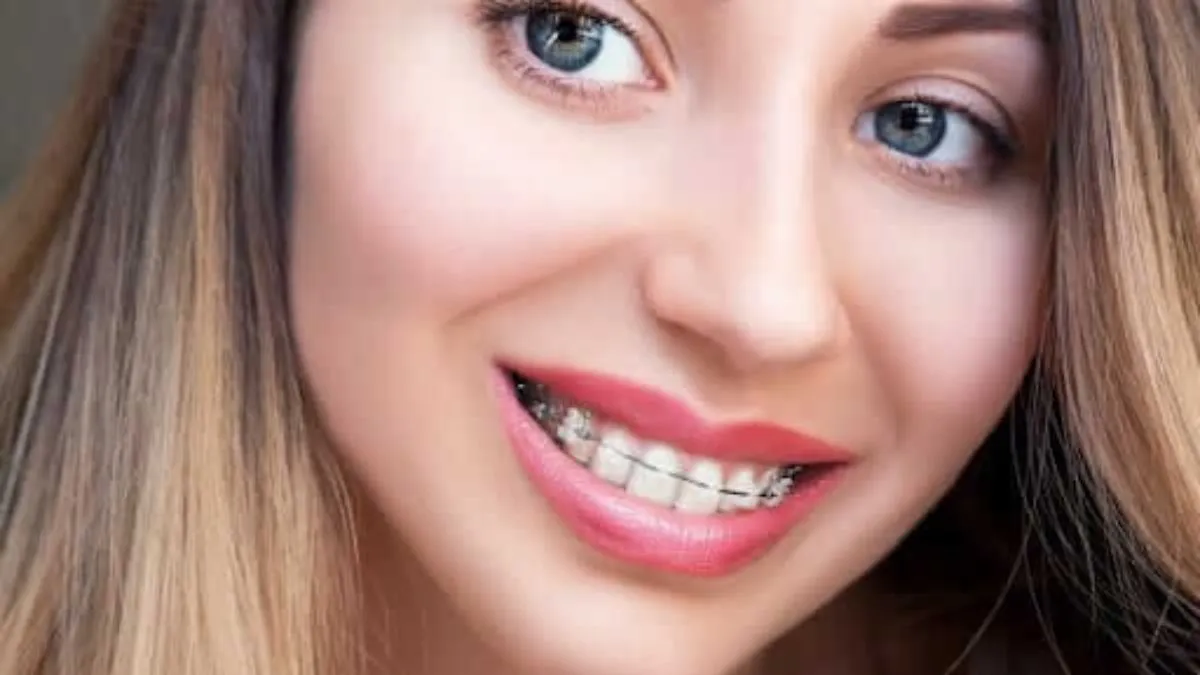
In terms of appearance, Damon braces are available in both a traditional metal bracket and Damon Clear, a ceramic version that blends more closely with the natural color of the teeth. This gives patients more options for discretion compared to standard metal braces, though the archwire itself remains visible in either version.
Comfort is another area where many patients report a difference. The lower friction design and lighter forces used in Damon treatment are often associated with less discomfort during the early adjustment period compared to traditional braces, though individual experiences vary.
Who Benefits Most from Damon Braces?
Damon braces are particularly well suited to patients who need the reliable, continuous control that fixed appliances provide but want a system designed to work efficiently with lighter forces. Patients with more complex bite corrections, significant crowding, or cases involving rotations that benefit from a fixed appliance’s consistent pressure are often good candidates.
Damon’s design philosophy also tends to favor working with the natural arch form of the teeth and jaw rather than relying heavily on tooth extraction to create space. For patients and orthodontists who prefer to preserve natural tooth structure and arch width when clinically appropriate, this is a meaningful consideration in treatment planning.
Patients who are concerned about appointment frequency, comfort during treatment, or who want a ceramic option for a more discreet appearance while still needing the predictability of fixed braces often find Damon to be a strong fit.
What About Treatment Time?
Treatment length with Damon braces depends heavily on the complexity of the individual case rather than the bracket system alone. Straightforward cases might be completed in twelve to eighteen months, while more complex bite corrections can take longer. The reduced friction design is associated with efficient tooth movement, but the orthodontist’s assessment of your specific bite is what ultimately determines the expected timeline.
What to Expect During Treatment
The day-to-day experience of having Damon braces is similar to traditional braces in most respects. Patients need to maintain good oral hygiene around the brackets and wires, avoid certain hard or sticky foods that could damage the appliance, and attend scheduled adjustment appointments throughout treatment.
The main difference patients notice is during the actual adjustment visits, where the orthodontist opens the small clip on each bracket to change the wire rather than removing and replacing elastic ties.
Frequently Asked Questions
Are Damon braces more expensive than traditional braces?
Cost can vary by practice and case complexity, and Damon braces are sometimes priced similarly to or slightly above traditional braces depending on the specific treatment plan. Discussing cost directly during a consultation will give you the most accurate picture for your situation.
Do Damon braces hurt less than traditional braces?
Many patients report less discomfort with Damon braces due to the lighter, more consistent forces used in the self-ligating system, though individual experiences vary and some soreness during the adjustment period is normal with any orthodontic appliance.
Can I get colored elastics with Damon braces?
Since Damon braces do not use elastic ligatures to hold the wire, the colored band customization available with some traditional braces is not part of the standard Damon system. Some patients use colored elastic chains for other purposes during specific treatment phases, which your orthodontist can discuss if that is something you are interested in.
Is Damon Clear as effective as the metal version?
Yes. Damon Clear uses the same self-ligating mechanism and treatment philosophy as the metal version, simply with a ceramic bracket material that is less visible. The functional effectiveness is comparable, though ceramic brackets can be more prone to staining if oral hygiene and diet are not carefully managed.
How often do I need to see the orthodontist with Damon braces?
Appointment frequency depends on your specific treatment plan, but many Damon patients are seen every eight to ten weeks, sometimes less frequently than the four-to-six-week interval common with traditional braces, due to the reduced friction design.
If you are exploring orthodontic treatment and want to know whether Damon braces are the right fit for your bite, a thorough evaluation is the best way to find out. Burke & Redford Orthodontists in Temecula and Lake Elsinore, California, offers free consultations where pediatric orthodontist Dr. Ryan Redford can assess your case and explain which appliance option will produce the best result for your specific needs.


Damon Self-Ligating Braces: How They Differ From Traditional Braces

How to Evaluate a Dental Marketing Agency Before Hiring One

What Lifestyle Habits Can Help Protect Your Dental Implants for Years to Come?

Innovative Deer Control Solutions That Safeguard Gardens in Suffolk County

Back Casting Room: Definition, Setup & Best Practices

NFLBite: A Fan-Driven Hub for Free NFL Game Streams

How To Build a Back-Friendly Daily Routine In 2026

How Project-Based Learning Transforms Third Grade Classrooms

What Entrepreneurs Can Learn From the MAKE Wellness Growth Strategy

Why More People Are Choosing 1-to-1 Personal Training

Streaming Your Workouts at Home: How to Build the Perfect Fitness Setup

Social Media Scheduler Guide: Features, Benefits, Best Practices & Tools

Eagle Pose: Quick and Easy Guide

Happy Baby Pose: Benefits, Steps, and Tips for Beginners

Detoxify Your Body and Mind with Dragon Pose: A Step-by-Step Guide
-
 GENERAL1 year ago
Christofle – For Those Who Dream of Family Heirloom Silver
-
SPORTS1 year ago
Discover the World of Football with Streameast: Watch Your Favorite Leagues and Tournaments
-
GENERAL7 months ago
Uncovering the World of кинокрадко: The Dark Side of Film Piracy
-
GENERAL4 months ago
Unveiling the Art of преводсч: How Translators Bridge Language Barriers