
GENERAL
How Shared Workspaces Accumulate Bacteria in Places Nobody Thinks to Clean

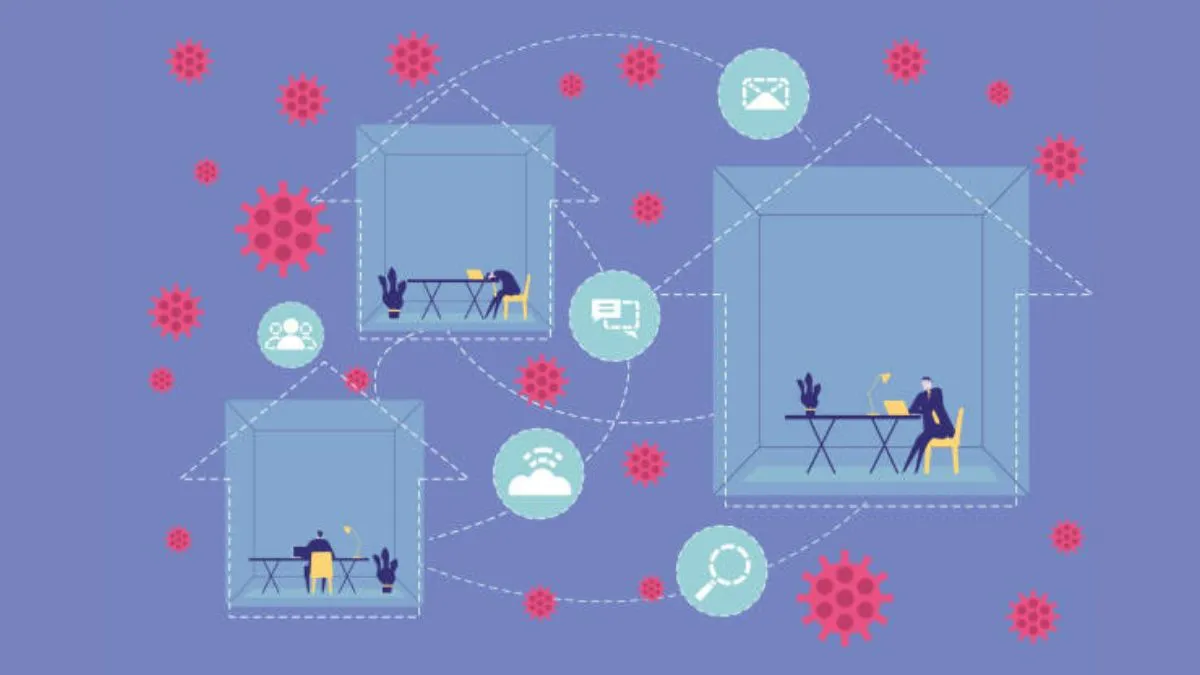
The modern shared workspace has become a defining feature of how people work, from the open-plan offices that replaced private offices in corporate environments to the coworking spaces that serve freelancers, remote workers, and startups who need professional infrastructure without dedicated square footage. These environments are designed around flexibility, collaboration, and density, all of which are excellent for productivity and community but create specific hygiene challenges that their design also tends to obscure.
The problem with shared workspaces from a bacterial contamination standpoint is not that they are dirtier than dedicated offices in the conventional sense. It is that the contamination pattern is different and that the areas of highest concern are often invisible during the visual assessment that most people use to decide whether a space is clean enough to work in comfortably.
Table of Contents
The Hot Desk Contamination Cycle
Hot desking, the practice of unassigned seating where different workers occupy the same desk on different days, is the defining feature of most shared workspaces. From a flexibility and space utilization standpoint, it is highly efficient. From a surface contamination standpoint, it creates a situation where every person who uses a desk brings their own microbial environment into contact with a surface that the next person will use without the kind of relationship continuity that would otherwise regulate that contact.
Research on hot desk environments consistently finds that the surfaces of hot desks carry significantly higher bacterial loads than dedicated desks in traditional office environments. The mechanism is straightforward: dedicated desk users develop familiarity with their own contamination of the surface and unconsciously maintain it at a level their immune system is accustomed to. Hot desk users encounter a surface that may have been used by ten different people in the previous week, each contributing their own bacterial population to a cumulative surface environment that no individual occupant has any relationship with or responsibility for maintaining.
Standard hot desk cleaning protocols in most shared workspaces involve a general wipe of the surface between users, which addresses visible contamination but does not achieve the level of disinfection that the contamination pattern described above actually requires. The distinction between cleaning, which removes visible soil, and disinfecting, which reduces pathogen populations to safe levels, is one that most casual workspace cleaning practices blur in ways that leave bacterial contamination on surfaces well above what a dedicated desk user would typically encounter.
Shared Technology Surfaces
Shared printers, copiers, and communal technology stations are among the most contaminated surfaces in any workspace environment, and they are among the least frequently cleaned surfaces in standard workspace cleaning protocols. A printer touchscreen used by 20 different people in a workday accumulates contact from 20 different microbial environments without any cleaning between uses. The grooved edges and recessed areas around buttons and touchscreens that are difficult to reach with a standard cleaning wipe accumulate contamination over extended periods that no casual wipe between users addresses.
Phone handsets in conference rooms and reception areas present a similar contamination profile. The handset surfaces that contact the face and hands of every person who uses them represent intimate contact with a surface that multiple previous users have also had intimate contact with. Conference room phone handsets are cleaned on whatever schedule the general conference room receives cleaning, which in most shared workspaces is far less frequently than the use intensity of those surfaces warrants.
Meeting Room Realities
Conference rooms and meeting spaces in shared workspaces are used by combinations of people who have no ongoing relationship with each other, which creates a contamination dynamic different from meetings among colleagues who work together regularly. External visitors, clients, interviewers, and participants from other companies all bring their microbial environments into meeting spaces that subsequent users then occupy.
The chair surfaces, table edges, and armrests of conference room furniture represent the most direct contact points for this accumulated contamination. Standard conference room cleaning typically addresses the table surface and may vacuum the chairs, but the armrests and contact surfaces of seating in heavily used meeting rooms accumulate skin contact contamination throughout every day of use without disinfection between sessions.
Whiteboard ledges, presentation remotes, and room control panels are similarly high-contact surfaces that standard cleaning passes over. The AV remote control in a conference room is touched by every presenter who uses the room but is almost never included in cleaning protocols as a surface requiring specific attention and disinfection.
Kitchen and Coffee Station Hotspots
Shared kitchen spaces in coworking environments serve an entire community of workers who do not share the social accountability that a traditional office kitchen creates. In a traditional office, social pressure to maintain shared kitchen standards provides at least informal maintenance between cleaning visits. In a coworking space serving rotating members who may not know each other, that social accountability is absent or significantly reduced.
The result is a kitchen environment that accumulates contamination more rapidly between cleaning visits and requires more frequent professional attention to maintain standards that protect the health of everyone who uses it. Coffee station surfaces that see constant contact throughout the day, sink areas where food debris and moisture create ideal bacterial growth conditions, and shared appliance handles that receive no disinfection between users all represent contamination accumulation that affects the health of the entire workspace population.
For DC residents who understand this contamination dynamic from their experience in shared workspaces and want equivalent attention to the high-contact surfaces in their own homes, Solaris Cleaning Services DC applies the same targeted approach to kitchen surfaces, bathroom fixtures, and high-touch areas throughout DC residences that the most hygiene-conscious workspace environments apply to their equivalent contamination hotspots. The surfaces that matter most get the most specific attention rather than being included in a general cleaning pass that does not address their actual contamination profile.
The Ventilation Dimension in Dense Workspaces
Shared workspaces tend to operate at higher occupancy densities than traditional offices, which has direct implications for indoor air quality that compound the surface contamination issues described above. More people in the same volume of air means more respiratory aerosol production, more CO2 accumulation, and more particulate matter introduced into the air through normal activity.
HVAC systems serving dense coworking environments require more frequent filter changes, more rigorous attention to air exchange rates, and more careful monitoring of humidity levels that affect both biological growth in the system and the comfort and health of occupants. When these systems are not maintained appropriately for the density of use they serve, the air quality that workers breathe throughout their day in a shared workspace can be measurably worse than what they experience in a traditional lower-density office environment, compounding the surface contamination issues that the hot desk model creates.
Building a Cleaning Protocol That Matches Actual Use
The fundamental gap in most shared workspace cleaning programs is that they are designed around what a space looks like rather than how it is actually used. A cleaning protocol built around visual inspection misses the contamination categories that shared workspace use generates at the surface and air quality level. A protocol built around contamination dynamics, understanding which surfaces receive the most contact from the most diverse range of users, treats those surfaces with the frequency and specificity their actual contamination profile requires.
Solaris Cleaning Services DC builds residential cleaning approaches around the same principle of matching cleaning specificity to actual use patterns, ensuring that the surfaces in DC homes that receive the most contact from the most diverse range of users get the attention those contact patterns generate rather than being included in a general cleaning sweep that does not differentiate between a guest bathroom used weekly and a kitchen countertop touched dozens of times daily.


Lizard Pose: A Complete Guide to Form & Flexibility

Dermatologist: Why This Specialist Matters for Your Skin Health

How AI Is Reshaping the Way We Edit Video

Tech Etruesports: The Evolution of Competitive Gaming

Ceıvır: Traditional Turkish Dish with Rich Flavors

GNHUSTGames: The Ultimate Platform for Unblocked Games

Kraams: The Heart of Dutch Market Culture

Butterfly Position: How to Do Baddha Konasana Safely

Tissariss Textile Art: A Tradition of Cultural Weaving

Anna Archive: Free Shadow Library Search Engine

Bl_Faceless: Anonymous Digital Creators Redefining the Digital Space

Pepe Coin Overview: Inside the Meme Cryptocurrency Craze

Lotus Position (Padmasana): How to Do It Safely and Avoid Knee Pain

How to Prepare for a Gynaecology Appointment

RPDJAFUD: The Future of AI-Driven Cybersecurity and Automation
-
 GENERAL1 year ago
Christofle – For Those Who Dream of Family Heirloom Silver
-
SPORTS1 month ago
Discover the World of Football with Streameast: Watch Your Favorite Leagues and Tournaments
-
HOME IMPROVEMENT1 year ago
Spacious and Stylish 300cm Round Rugs: Elegant and Modern Designs for a Chic Home Decor
-
GENERAL9 months ago
Uncovering the World of кинокрадко: The Dark Side of Film Piracy