
YOGA
Weighted Vest Yoga: The Emerging Fitness Trend That Blends Strength Training and Mindful Movement

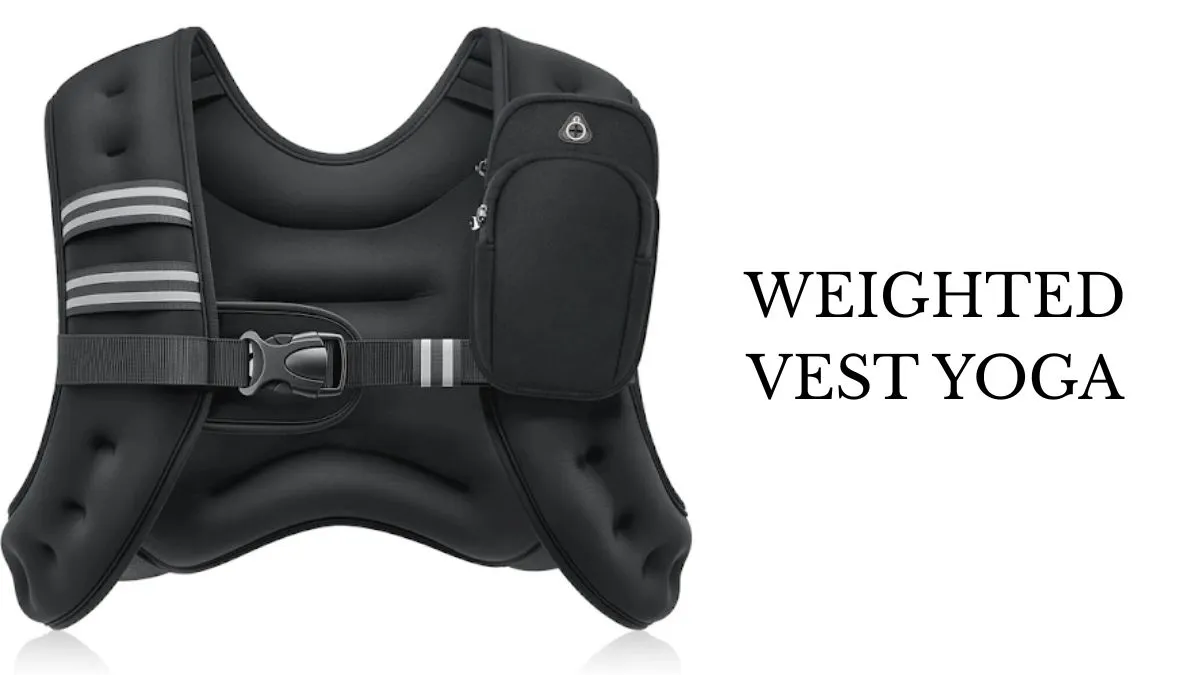
Weighted vest yoga is emerging as a new hybrid fitness trend that combines traditional yoga practice with light external resistance. By wearing a weighted vest during yoga sessions, practitioners aim to increase strength demands, improve body awareness, and slightly boost calorie burn without turning yoga into a high-impact workout. This approach fits neatly into the broader wellness movement focused on low-impact, sustainable fitness methods that can be practiced consistently.
Table of Contents
What Is Weighted Vest Yoga?
Weighted vest yoga simply means performing yoga while wearing a vest that adds extra load to the body, usually ranging from about 3% to 10% of body weight. The vest is designed to distribute weight evenly across the torso so that it does not interfere too much with movement patterns.
Unlike traditional strength training, weighted vest yoga does not require lifting external weights. Instead, the body itself becomes the resistance system. Every movement—from holding a plank to transitioning between poses—becomes slightly more demanding due to the added load.
Why People Are Trying Weighted Vest Yoga
One of the main reasons people are adopting weighted vest is to make yoga more physically challenging without changing the practice itself. Yoga is often praised for flexibility and mindfulness benefits, but it may not always provide enough resistance for those seeking strength or fat loss improvements. Adding a vest increases muscular engagement, especially in the core, legs, and postural muscles.
Another reason is the growing interest in low-impact fat loss strategies. While weighted vest yoga does not dramatically increase calorie burn, it does slightly raise energy expenditure and may help people stay more active for longer periods. For individuals who prefer gentle exercise, this can be an appealing way to enhance results without switching to high-intensity training.
The Science Behind Weighted Vests and Body Weight Regulation
Research into weighted vests has introduced the idea of the “gravitostat” hypothesis. This theory suggests that the body may have a biological system that senses mechanical load and adjusts energy balance accordingly. In simple terms, when the body experiences extra weight for extended periods, it may respond by altering appetite and fat storage signals.
Some studies have found that wearing a weighted vest equivalent to around 11% of body weight for several hours per day can lead to modest reductions in fat mass. While yoga-specific studies are limited, the same principle of mechanical loading still applies when the vest is worn during movement-based practices like yoga flows.
Benefits of Weighted Vest Yoga
A weighted vest with adjustable weights can increase the strength demand of traditional poses without introducing high-impact stress on the joints. Holding positions like warrior poses, planks, or lunges becomes more challenging, which can improve muscular endurance over time. The added load also engages stabilizing muscles more deeply, particularly around the core and spine.
Balance and coordination may also improve because the vest slightly shifts the body’s center of gravity. This forces the nervous system to work harder to maintain stability during transitions and static holds. Over time, this may enhance proprioception, which is the body’s ability to sense its position in space.
Potential Role in Fat Loss and Metabolism
Although weighted vest yoga is not a high-calorie-burning activity, it can contribute to overall energy expenditure. The added weight increases the effort required for movement, which may slightly raise the number of calories burned during a session. More importantly, it can make yoga sessions feel more physically engaging, encouraging longer and more consistent practice.
From a weight management perspective, the most meaningful benefit is likely not immediate calorie burn but long-term consistency. People who enjoy weighted vest yoga may be more likely to stay active regularly, which is a key factor in maintaining a healthy body weight over time.
Bone Health and Functional Strength Considerations
Mechanical loading plays an important role in maintaining bone density, and weighted vests are often studied in this context. While results are mixed, some research suggests that adding external load may provide a mild stimulus for bone health. However, it is not strong enough to replace traditional resistance training or impact-based exercise.
In the context of yoga, weighted vests may offer a gentle form of weight-bearing activity that supports functional strength. This can be especially relevant for older adults or individuals who prefer low-impact exercise options but still want to maintain musculoskeletal health.
How to Practice Weighted Vest Yoga Safely
Safety is essential when introducing additional load to yoga practice. Most beginners should start with a vest that is around 3% to 5% of body weight. This allows the body to adapt gradually without compromising movement quality or breathing patterns.
It is also important to choose appropriate yoga styles. Slow flows, Hatha yoga, or strength-focused sequences tend to work best with a weighted vest. Faster-paced or highly advanced flows may increase the risk of strain if the load interferes with balance or alignment.
Proper posture should always take priority over intensity. If the vest causes discomfort, restricts breathing, or alters form, it should be adjusted or removed. The goal is to enhance the practice, not overwhelm it.
Who Should Consider Weighted Vest Yoga?
Weighted vest yoga may be suitable for individuals looking to increase the intensity of their yoga practice without switching to high-impact training. It can be particularly appealing for beginners who want a gradual introduction to strength training or for those focused on low-impact fat loss strategies.
However, it may not be appropriate for everyone. People with back issues, joint problems, or balance disorders should approach it cautiously or consult a healthcare professional before starting. In some cases, traditional yoga without added load may be the safer and more effective option.
Final Thoughts on Weighted Vest Yoga
Weighted vest yoga represents an interesting evolution in fitness, blending mindfulness-based movement with principles of resistance training. While the science is still developing, early research on weighted vests suggests potential benefits for strength endurance, energy expenditure, and long-term weight management.
Ultimately, it should be viewed as a supportive tool rather than a standalone solution. When used correctly, it can make yoga more physically engaging and slightly more metabolically demanding, while still preserving the core benefits of flexibility, balance, and mindfulness.


Bebasinindo: Championing Freedom in Indonesia

Ankwave: Future of Connectivity with Energy-Efficient Solutions

Afruimwagens: Efficient Mobile Carts for Workspaces

Understanding Formula 1 Standings and Championship Rankings

Do Cats Fart? A Scientific and Behavioral Look at Feline Gas

Hatha Yoga: Balancing Body, Mind, and Energy

Wave_of_Happy_: Cultivating a Positive Mindset for Lasting Joy

Gamer Challenger: Definition, Role, and Competitive Focus

Slope Unblocked: Free Online 3D Ball Running Game

Brand Name Normalization Rules: A Complete Practical Guide

Veneajelu: The Finnish Art of Peaceful Summer Boating

The Journey of iamnobody89757: From Anonymous User to Internet Sensation

Adsy.pw/hb3: The Future of High-Impact Digital Advertising

Soutaipasu: Understanding Relative Paths in Computing

Omaha, Nebraska Mental Health Routines for School, Work, and Changing Seasons
-
 GENERAL1 year ago
Christofle – For Those Who Dream of Family Heirloom Silver
-
GENERAL9 months ago
Uncovering the World of кинокрадко: The Dark Side of Film Piracy
-
SPORTS2 months ago
Discover the World of Football with Streameast: Watch Your Favorite Leagues and Tournaments
-
HOME IMPROVEMENT2 years ago
Spacious and Stylish 300cm Round Rugs: Elegant and Modern Designs for a Chic Home Decor