
HEALTH AND FITNESS
Active Rehabilitation Exercises for Injury Recovery: A Comprehensive Guide

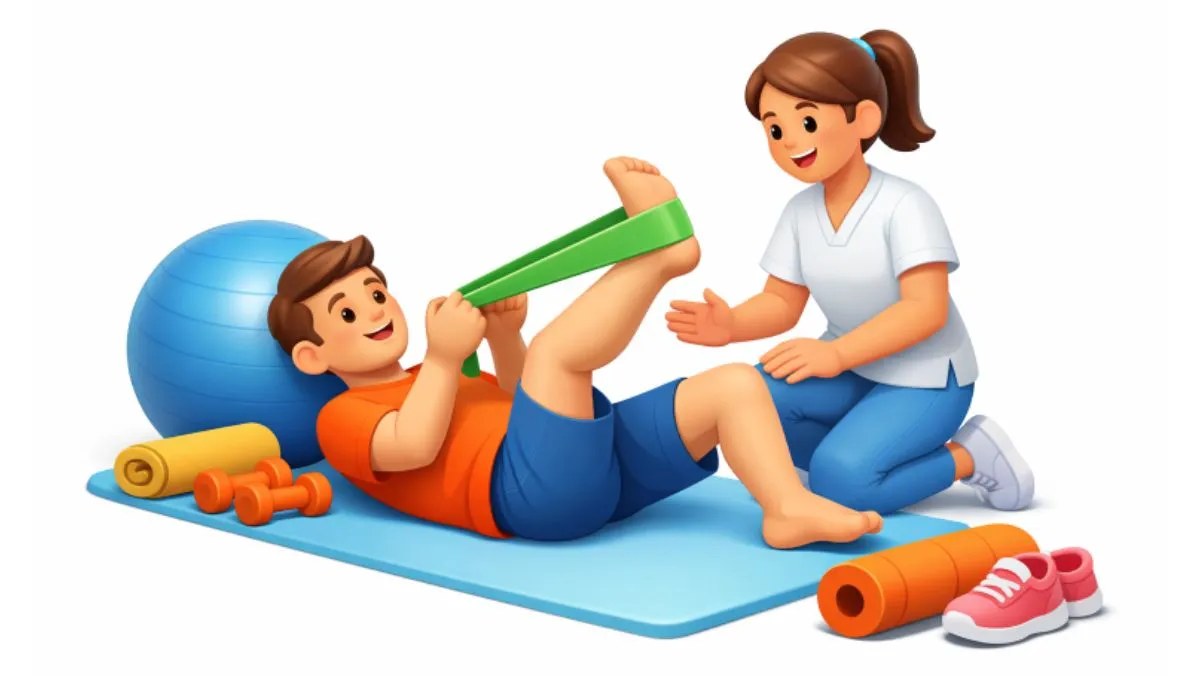
Recovering from an injury often demands patience, perseverance, and the right blend of rest and activity. Engaging in active rehabilitation exercises can significantly accelerate healing while offering long-term health benefits. With these methods, individuals enhance their chances of regaining mobility and returning to their regular routines. By consulting trusted professionals like Reflex Physiotherapy, you gain access to expert guidance tailored to support your recovery journey.
The active approach is rooted in structured movement, encouraging gentle yet purposeful exercise. This method stands in contrast to more passive forms of rest, which can sometimes lead to loss of mobility or muscle strength. Whether you are healing from a sports-related injury or surgery, active rehabilitation offers a roadmap to improve both body and mind.
Beyond the clear physical rewards, actively engaging in the recovery process promotes resilience and fosters a sense of accomplishment. Restoring function through controlled movement not only supports tissue healing but also aids in keeping up mental spirits, reducing anxiety and stress that often accompany extended downtime post-injury.
The beauty of this approach lies in its adaptability for all ages and injury types. With professional oversight, active rehabilitation can be customized to each person’s unique needs, ensuring the chosen exercises are safe and effective. Health professionals often recommend starting gradually, closely monitoring progress, and making adjustments as needed for optimal results.
Table of Contents
Understanding Active Rehabilitation
Active rehabilitation is a targeted process that uses specific, low-intensity exercises to help restore function and mobility in an injured area. The emphasis is on movement and gentle tissue loading rather than on expected periods of inactivity. According to the Mayo Clinic, active rehabilitation helps prevent long-term complications that can arise from immobilization, such as joint stiffness and muscle atrophy.
Many rehabilitation programs employ a multidisciplinary team approach, involving physiotherapists, occupational therapists, and fitness specialists. Each of these professionals provides insight into different aspects of active recovery, ensuring thorough attention to biomechanics, ergonomics, and personal goals. This collaborative method not only addresses the immediate effects of the injury but also identifies and corrects underlying patterns that may have contributed to the original problem. By assessing mechanics and movement quality, therapists help prevent recurring injuries and lay the groundwork for better future performance. Consistency is vital in active rehabilitation, and even small daily gains can add up to substantial improvements over time.
Key Benefits of Active Rehabilitation
There are several evidence-based reasons why engaging in active rehabilitation is advantageous for injury recovery:
- Enhanced Blood Circulation: Gentle exercise can increase blood flow to injured tissues, supporting the delivery of essential nutrients involved in repair and regeneration.
- Reduced Muscle Stiffness: Movement helps keep muscles pliable, preventing stiffness and contractures that can occur when a body part is immobilized.
- Improved Mental Health: Physical activity during recovery has been shown to benefit emotional well-being. Activities that promote endorphin release are known to counteract symptoms of depression and anxiety, offering much-needed psychological support throughout the healing process. More detailed information on the impact of exercise on mental health can be found at Harvard Health Publishing.
Additionally, active rehabilitation enhances neuromuscular coordination, helping individuals regain normal movement patterns. Regular engagement with tailored exercises retrains the body to move efficiently, reducing compensatory habits that can stress other joints or muscles. In the context of post-surgical recovery, studies have shown that early mobilization leads to shorter hospital stays and a more rapid return to daily activities.
Types of Active Rehabilitation Exercises
The variety of exercises that may form part of an active rehabilitation program depends on the nature and location of the injury. The following types of exercise are commonly prescribed:
- Stretching: Gentle, controlled stretches help maintain or improve flexibility and range of motion around the affected area.
- Low-Impact Aerobics: Activities such as walking, cycling, or swimming allow cardiovascular conditioning without placing excessive stress on healing tissues.
- Strength Training: Light resistance exercises can safely rebuild muscle strength, support surrounding joints, and enhance functional stability.
Balance and proprioceptive exercises are also frequently integrated, especially for lower limb or spinal injuries. These movements challenge stability and awareness of body position, which are critical for safe return to sports or everyday tasks. In addition, functional exercises that mimic daily activities, such as rising from a chair or reaching overhead, ensure that gains during rehabilitation translate directly into improved independence and confidence.
Implementing Active Rehabilitation Safely
To ensure the greatest benefit and avoid setbacks, follow these safety guidelines:
- Consult a Professional: Work with a healthcare provider or qualified physiotherapist to design an individualized exercise plan. This ensures that movements are safe and specific to your injury stage.
- Listen to Your Body: Pay close attention to any pain or unusual discomfort. If you experience pain, it is important to pause and reassess to prevent aggravating the injury.
- Progress Gradually: Increase intensity and duration slowly. The focus should always be on steady, sustainable improvement rather than rushing back to full activity prematurely.
These safety measures help protect healing tissues and prevent complications. Additional tools such as braces, physiotherapy bands, or supportive devices may be used for added safety until strength and stability are restored. Proper warm-up and cool-down routines should become standard practice, reducing the risk of reinjury and helping to prepare the body for functional activities ahead. Practicing mindfulness or relaxation strategies alongside physical activity can further support recovery by reducing perceived pain and managing stress.
Real-Life Success Stories
Recovery success with active rehabilitation is supported by clinical research and countless personal experiences. For example, the University at Buffalo’s research demonstrated that students who followed an active rehabilitation protocol after concussions returned to their regular activities sooner and experienced fewer lingering symptoms. The study’s outcomes underscore the value of structured movement over strict rest post-injury. More on this topic can be found in the referenced study from UB.
Countless individuals recovering from orthopedic surgeries, ligament sprains, or chronic conditions like back pain have reported significant improvements thanks to personalized active rehabilitation programs. These stories highlight the importance of persistence and adaptability, demonstrating how even those facing lengthy recoveries can overcome setbacks and rebuild confidence. Health professionals frequently use outcome tracking, for instance, measuring range of motion or pain scores over time, to illustrate tangible progress and keep motivation high throughout the rehabilitation journey.
Conclusion
Injury recovery is not just about waiting for tissues to heal. Incorporating active rehabilitation exercises under professional supervision empowers individuals to play an active role in their own healing process. By combining careful movement with expert advice, people can restore function, prevent complications, and bolster their mental health. Investing in an active recovery approach creates a strong foundation for returning to daily activities and maintaining long-term wellness.
Ultimately, active rehabilitation embodies a holistic philosophy that integrates physical, mental, and emotional recovery. By embracing consistent, purposeful activity, always under expert supervision, patients not only address their immediate injury but also cultivate lifelong habits that support movement, independence, and health for years ahead. If you’re on the path to recovery, remember that each small step matters, and with professional support, a safe and full return to your favorite activities is well within reach.


Veneajelu: The Finnish Art of Peaceful Summer Boating

The Journey of iamnobody89757: From Anonymous User to Internet Sensation

Adsy.pw/hb3: The Future of High-Impact Digital Advertising

Soutaipasu: Understanding Relative Paths in Computing

Smoothiepussit in Finland: Uses, Nutrition, and Context

Pigeimmo: Real Estate Platform for Transparent Transactions

Tumbons in Thailand: Role, Structure, and Administration

Tractor Supply Sales Associate Job Description: A Comprehensive Career Overview

Image Search Techniques: A Practical Search Guide

Telegraph247: A Comprehensive Guide to the Leading Online News Platform

Antarayas: Understanding and Overcoming Obstacles on the Path to Growth

Flying Pigeon Pose: Benefits, Tips, and How to Perfect It

Insoya: Fermented Soy Protein for Better Nutrition

Felixing: The Authentic Art of Personal Growth

Starhoonga: Myth, Astrology & Cosmic Storytelling
-
 GENERAL1 year ago
Christofle – For Those Who Dream of Family Heirloom Silver
-
GENERAL9 months ago
Uncovering the World of кинокрадко: The Dark Side of Film Piracy
-
SPORTS2 months ago
Discover the World of Football with Streameast: Watch Your Favorite Leagues and Tournaments
-
HOME IMPROVEMENT2 years ago
Spacious and Stylish 300cm Round Rugs: Elegant and Modern Designs for a Chic Home Decor