
HEALTH AND FITNESS
Breast Augmentation Surgery: Step-by-Step Overview

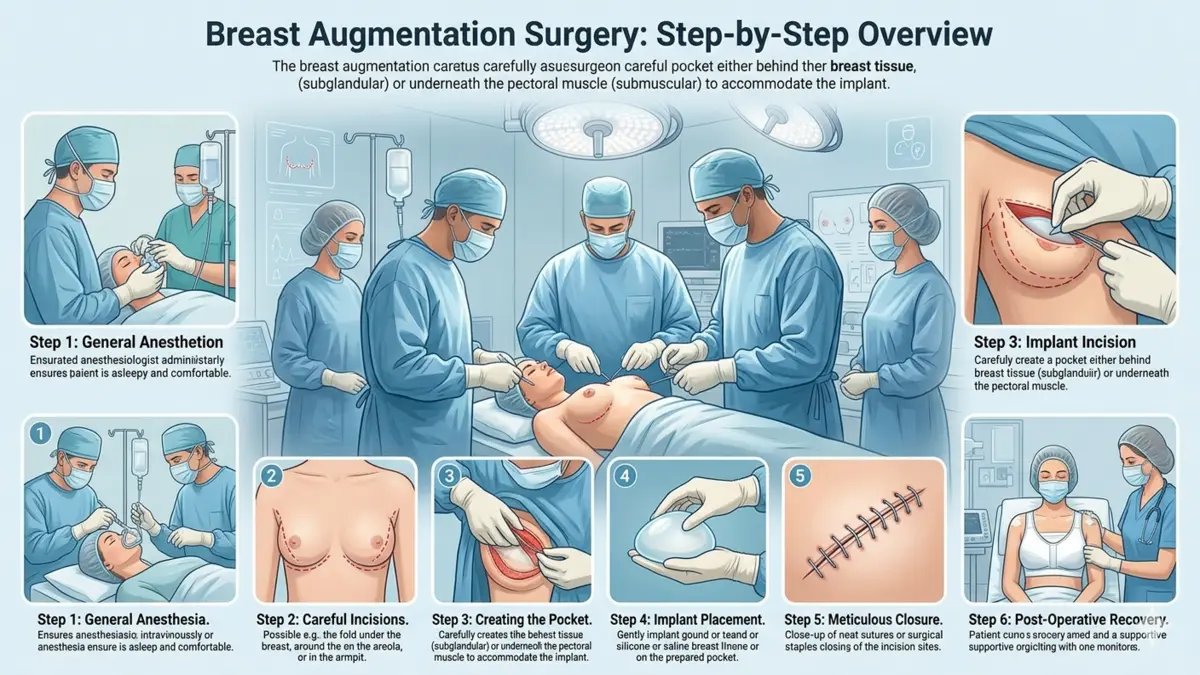
Breast augmentation surgery is a procedure that changes breast size or shape using breast implants or, in selected cases, fat transfer. Patients may consider breast augmentation for different reasons, including naturally smaller breast volume, changes after pregnancy or weight changes, asymmetry, or personal body proportion goals.
As with any surgery, breast augmentation requires medical assessment, planning, informed consent, and follow-up care. The procedure is not the same for every patient. Implant type, incision location, implant placement, recovery time, and possible risks should be discussed with a plastic surgeon before deciding whether to proceed.
Table of Contents
Step 1: Initial Consultation with a Plastic Surgeon
The first step is usually a consultation with a plastic surgeon. During this visit, the patient can discuss their concerns, goals, medical history, and expectations.
The plastic surgeon may ask about:
- Current breast concerns
- Desired breast size or shape
- Previous breast surgery
- Pregnancy or breastfeeding history
- Breast screening history
- Medical conditions
- Allergies
- Current medications or supplements
- Smoking or vaping history
- Previous reactions to anaesthesia
- Any history of poor wound healing or scarring
The consultation may also include a physical examination. The plastic surgeon may assess breast size, chest width, breast tissue thickness, skin quality, nipple position, breast symmetry, and body proportions.
This step helps determine whether breast augmentation may be appropriate and whether other procedures, such as a breast lift, may need to be discussed.
Step 2: Discussing Goals and Suitability
After the initial assessment, the plastic surgeon may discuss whether the patient’s goals are realistic based on their anatomy and health.
Patients may have a specific size in mind, but breast augmentation planning involves more than choosing implant volume. The plastic surgeon may consider chest width, skin stretch, breast tissue coverage, existing asymmetry, lifestyle, and recovery needs.
Some patients may be suitable for breast implants, while others may need to consider different options. For example, if there is noticeable breast drooping or excess skin, a breast lift may be discussed. If the patient has certain medical risks, surgery may need to be delayed or avoided.
This stage is also when patients should ask about the limits of surgery, possible changes over time, and whether future revision surgery may be needed.
Step 3: Choosing the Type of Breast Implant
If implants are being considered, the patient and plastic surgeon may discuss implant type. Breast implants commonly vary by filling material, shape, surface, size, and projection.
Implants may be filled with silicone gel or saline. The choice may depend on patient preference, anatomy, availability, medical considerations, and the plastic surgeon’s assessment.
Patients may also discuss:
- Round or shaped implants
- Implant profile or projection
- Implant size
- Implant surface
- Implant width and fit
- How the implant may feel under existing breast tissue
- Long-term monitoring and possible replacement in future
Breast implants are medical devices and are not considered lifetime devices. Patients should understand that implants may require monitoring and that future surgery may be needed for replacement, removal, or revision.
Step 4: Choosing the Incision Location
The incision is where the plastic surgeon places the implant into the breast pocket. Incision options may vary depending on implant type, patient anatomy, previous scars, and surgical plan.
Common incision locations include:
- Under the breast fold
- Around the areola
- In the underarm area
Each incision option has different considerations. These may include scar location, access for implant placement, breast tissue characteristics, and whether future revision surgery may be needed.
The plastic surgeon should explain where the scar may be placed, how it may heal, and what scar care may involve after surgery.
Step 5: Choosing Implant Placement
Breast implants may be placed in different positions, depending on the patient’s anatomy and the surgical plan.
Implants may be placed:
- Behind the breast tissue and over the chest muscle
- Partly or fully behind the chest muscle
- In a dual-plane position, depending on the surgical approach
Placement affects how the implant sits, how much tissue covers it, how the breast may look and feel, and what recovery may involve. The plastic surgeon may consider breast tissue thickness, skin quality, activity level, implant size, and the patient’s goals before discussing placement.
Patients should ask why a particular placement is being recommended and how it may affect recovery, implant visibility, and future breast screening.
Step 6: Pre-Surgery Preparation
Before surgery, patients may be given instructions to help reduce risks and support recovery. These instructions may vary depending on the clinic, surgical facility, anaesthesia plan, and patient’s health.
Pre-surgery instructions may include:
- Stopping or adjusting certain medications, if medically appropriate
- Avoiding smoking or vaping before and after surgery
- Avoiding certain supplements that may affect bleeding risk
- Arranging transport home after surgery
- Preparing a recovery area at home
- Following fasting instructions before anaesthesia
- Completing required tests or imaging, if advised
Patients should follow the instructions provided by their surgical team. They should also inform the clinic if they develop fever, infection, skin changes, or any new health concern before the procedure.
Step 7: Anaesthesia and Surgical Preparation
On the day of surgery, the patient will usually be checked before the procedure begins. This may include confirming the surgical plan, reviewing consent, marking the surgical site, and checking relevant medical details.
Anaesthesia is used so the procedure can be performed safely and with appropriate comfort. The type of anaesthesia depends on the surgical plan, patient health, and facility protocol.
Before surgery starts, the surgical team may clean the treatment area, prepare sterile drapes, and confirm procedural details.
Step 8: Creating the Incision and Implant Pocket
During the operation, the plastic surgeon makes the planned incision and creates a pocket for the breast implant. The pocket is the space where the implant will sit.
The pocket may be created over or under the chest muscle, depending on the agreed surgical plan. The plastic surgeon then places the implant into the pocket and checks the position, symmetry, and breast shape.
Adjustments may be made during surgery to help position the implants as planned. However, final breast shape will continue to change during healing as swelling settles and tissues adapt.
Step 9: Closing the Incisions
After the implants are placed and checked, the incisions are closed. Closure may involve sutures, skin adhesive, dressings, or surgical tape, depending on the technique used.
A support bra, bandage, or dressing may be applied after surgery. Some patients may have drains placed, although this depends on the surgical plan and the plastic surgeon’s preference.
The patient is then moved to a recovery area for monitoring.
Step 10: Immediate Recovery After Surgery
After breast augmentation surgery, the patient is monitored as the anaesthesia wears off. It is common to feel tightness, soreness, swelling, or pressure in the chest area.
Patients are usually given instructions on:
- Wound care
- Pain medication
- Support bra use
- Sleeping position
- Arm movement
- Showering
- Activity restrictions
- Follow-up appointments
- Symptoms that require medical review
Most patients need someone to take them home after surgery and stay with them during the early recovery period, especially if general anaesthesia or sedation was used.
Step 11: Recovery at Home
Recovery varies between patients. Swelling, bruising, tightness, and temporary changes in sensation may occur. Some patients may feel pressure across the chest, particularly when implants are placed under the muscle.
Patients are usually advised to avoid strenuous activity, heavy lifting, and certain upper-body movements during early recovery. The timing for returning to work, exercise, and normal activities depends on the surgery performed and the plastic surgeon’s instructions.
Follow-up appointments are important to monitor wound healing, implant position, swelling, and any symptoms that arise.
Step 12: Long-Term Follow-Up and Implant Monitoring
Breast augmentation does not end once the initial recovery period is over. Patients with breast implants should continue to monitor their breasts and attend follow-up care as advised.
Patients should seek medical review if they notice:
- Breast pain
- Swelling
- Firmness
- Sudden shape changes
- Skin changes
- Lump or fluid build-up
- Implant movement
- Wound changes
- Fever or increasing discomfort
Patients should also continue routine breast screening based on their age, risk factors, and local screening advice. They should inform the screening team that they have breast implants, as imaging techniques may need to be adjusted.
Possible Risks and Complications
Breast augmentation surgery carries risks, as with any surgical procedure. These should be discussed before surgery so patients can make an informed decision.
Possible risks may include:
- Bleeding
- Infection
- Scarring
- Changes in nipple or breast sensation
- Implant rupture
- Capsular contracture
- Implant malposition
- Breast asymmetry
- Pain or tightness
- Fluid collection
- Need for revision surgery
- Anaesthesia-related risks
Some risks may occur soon after surgery, while others may develop months or years later. Patients should ask how complications are managed and what follow-up support is available.
What Patients Should Discuss Before Surgery
Before deciding on breast augmentation surgery, patients should understand the full treatment pathway, not just the surgery itself.
Useful points to discuss include:
- Whether breast augmentation is suitable
- Whether a breast lift or another procedure may be needed
- Implant type, size, and placement
- Incision location and scar position
- Expected recovery time
- Activity restrictions
- Possible risks and complications
- Breast implant monitoring
- Future replacement or revision surgery
- Costs and possible additional fees
- Follow-up schedule
Patients should also ask what results may be realistic for their anatomy and what limitations may apply.
____________________________________________________________________________
Breast augmentation surgery involves several stages, from consultation and implant planning to surgery, recovery, and long-term follow-up. The procedure may involve decisions about implant type, size, incision location, implant placement, and recovery care.
A plastic surgeon can assess the patient’s anatomy, medical history, goals, and suitability before discussing a surgical plan. Patients should understand the risks, possible need for future surgery, and importance of follow-up care before deciding whether to proceed.


Holistic Chiropractic Care: A Comprehensive Approach to Health and Wellness

How to Stay Anonymous on the Internet

How Medical Treatment Timing Affects Your Car Accident Claim

OTI IAS: Modern UPSC Preparation Competency Model

Why Local Connection Still Matters When Choosing NDIS Providers in Preston

Privacy Curtain Design Considerations for Hospitals, Clinics, and Medical Centers

Medical Software Solutions: Comprehensive Guide for Choosing a Robust DAX Copilot Alternative

How DAX AI Scribe Transforms Patient Documentation Efficiency

Artificial Fall Wreath vs Natural Fall Wreath: Which Looks More Authentic?

Faux Plants vs Real Plants: Which Is More Cost-Effective for Home Decor?

Pravi Celer: Stalk Celery Uses, Benefits, and Identity

What Is Stormuring? A New Era of Strategic Agility

Foenegriek (Fenugreek): Health Benefits, Uses & Substitutes

Uncuymaza: Leading Higher Education in Mendoza, Argentina

BCN Play OTT: Basic & Platinum Streaming Bundles
-
 GENERAL12 months ago
Christofle – For Those Who Dream of Family Heirloom Silver
-
SPORTS1 year ago
Discover the World of Football with Streameast: Watch Your Favorite Leagues and Tournaments
-
GENERAL5 months ago
Uncovering the World of кинокрадко: The Dark Side of Film Piracy
-
GENERAL2 months ago
Unveiling the Art of преводсч: How Translators Bridge Language Barriers