
HEALTH AND FITNESS
The Essential Role of Privacy Curtains in Modern Healthcare: Safeguarding Both Dignity and Safety

Key Takeaways
- Privacy curtains are essential for maintaining patient confidentiality, dignity, and comfort in healthcare settings.
- Without regular cleaning and replacement, curtains can harbor dangerous bacteria and contribute to healthcare-associated infections.
- Advances in antimicrobial fabrics and innovative design solutions are helping address both privacy and infection-control challenges.
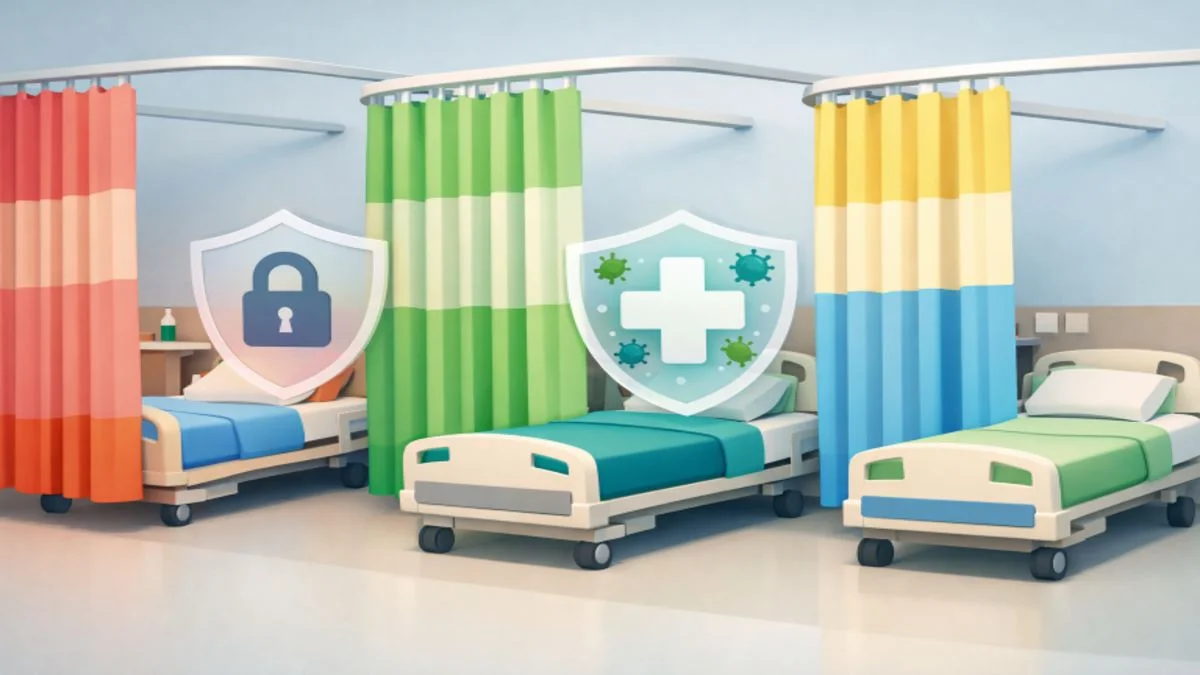
Privacy curtains are a fundamental component of healthcare environments, from bustling emergency departments to long-term care facilities. These curtains provide a much-needed sense of personal space, granting patients dignity even in crowded or shared hospital rooms. For professionals and administrators seeking medical privacy curtains, understanding their significance extends beyond their visual function, as they tie into core principles of patient safety and infection control.
Confidentiality is at the heart of quality healthcare. Privacy curtains play a key role by reducing the likelihood of overheard conversations and helping patients feel secure when discussing health concerns or undergoing examinations. At the same time, these physical barriers can serve as important lines of defense against the spread of potentially harmful pathogens in clinical settings.
Table of Contents
The Role of Privacy Curtains in Patient Confidentiality
Shared hospital rooms often challenge the balance between operational efficiency and patient experience. Privacy curtains help create individualized spaces where patients can converse with healthcare providers about sensitive topics without worrying about being overheard. This separation builds an environment of trust, supporting more open communication and more effective treatment outcomes. Research consistently shows that patients who feel protected from unwanted exposure or eavesdropping are more willing to engage with their care teams.
These curtains are not just for visual privacy. They establish boundaries in environments where personal space is minimal, allowing individuals to feel mentally and physically secure. This seemingly simple barrier is a powerful ally in upholding the ethical and legal standards that govern patient-provider relationships.
Infection Control: A Critical Function
While their contribution to privacy is clear, the infection-control role of privacy curtains is equally significant. High-touch surfaces in healthcare are notorious for spreading bacteria and viruses, as both staff and patients come into contact with them throughout the day. Within as little as a week, studies have detected drug-resistant bacteria such as MRSA living on curtain surfaces, sometimes in considerable numbers. Without structured cleaning routines, these curtains can become overlooked reservoirs that contribute to healthcare-associated infections, compromising both patient and staff health.
For healthcare administrators striving to meet regulatory demands and maintain safe clinical environments, the regular cleaning or replacement of privacy curtains is not a luxury but an operational necessity. Evidence continues to emerge showing that a proactive approach can dramatically reduce transmission risks. The Centers for Disease Control and Prevention (CDC) also emphasizes this point in their guidance on environmental infection control in healthcare facilities.
Best Practices for Curtain Maintenance
To combat the risks associated with contaminated curtains, these maintenance strategies have proven effective:
- Adopt and adhere to strict laundering or curtain replacement schedules, particularly in high-risk wards such as intensive care or surgical units.
- Where possible, install curtains made from antimicrobial textiles, which have been proven to reduce the growth and transmission of various harmful organisms.
- Ensure robust staff education programs that reinforce the importance of proper hand hygiene before and after contact with curtains and other shared surfaces.
Facilities that combine these practices not only reduce infection rates but also limit the operational disruptions and expenses associated with outbreak management. For further insights on best-in-class curtain maintenance, the Association for Professionals in Infection Control and Epidemiology offers useful recommendations.
Innovations Enhancing Patient Safety
The traditional fabric curtain is now being joined by a range of advanced solutions that build on privacy and safety goals. One major innovation is the introduction of smart glass partitions that can instantly shift between clear and opaque states at the touch of a button. This modern technology enables private consultations or treatments without physical contact and can be sanitized thoroughly between uses. Smart glass addresses contamination risks inherent to fabric curtains while retaining the flexibility necessary for complex care environments.
Other notable improvements include disposable curtain systems that can be rapidly removed and replaced to contain outbreaks, and the growing popularity of antimicrobial textiles in curtain design. These developments exemplify the evolving strategies that healthcare providers are adopting to achieve uncompromised privacy and safety for every patient.
Balancing Privacy and Safety
Quality care considers both the physical safety and emotional well-being of patients. While privacy curtains may appear to be a minor feature within the hospital room, their impact on infection control and confidentiality cannot be overstated. Facilities that maintain strict protocols and embrace new technologies are well-positioned to minimize healthcare-associated risks and deliver a seamless, respectful care experience.
Conclusion
Privacy curtains play an essential role in today’s healthcare environments by supporting patient dignity while contributing to broader infection prevention efforts. They create protected personal spaces during examinations, treatments, and recovery, helping patients feel secure and respected. At the same time, routine inspection, proper laundering, and timely replacement reduce the risk of contamination and cross-transmission. When healthcare facilities embrace innovative materials, antimicrobial technologies, and disciplined maintenance protocols, privacy curtains remain reliable tools that strengthen safety, comfort, and overall quality of care.


Bebasinindo: Championing Freedom in Indonesia

Ankwave: Future of Connectivity with Energy-Efficient Solutions

Afruimwagens: Efficient Mobile Carts for Workspaces

Understanding Formula 1 Standings and Championship Rankings

Do Cats Fart? A Scientific and Behavioral Look at Feline Gas

Hatha Yoga: Balancing Body, Mind, and Energy

Wave_of_Happy_: Cultivating a Positive Mindset for Lasting Joy

Gamer Challenger: Definition, Role, and Competitive Focus

Slope Unblocked: Free Online 3D Ball Running Game

Brand Name Normalization Rules: A Complete Practical Guide

Veneajelu: The Finnish Art of Peaceful Summer Boating

The Journey of iamnobody89757: From Anonymous User to Internet Sensation

Adsy.pw/hb3: The Future of High-Impact Digital Advertising

Soutaipasu: Understanding Relative Paths in Computing

Omaha, Nebraska Mental Health Routines for School, Work, and Changing Seasons
-
 GENERAL1 year ago
Christofle – For Those Who Dream of Family Heirloom Silver
-
GENERAL9 months ago
Uncovering the World of кинокрадко: The Dark Side of Film Piracy
-
SPORTS2 months ago
Discover the World of Football with Streameast: Watch Your Favorite Leagues and Tournaments
-
HOME IMPROVEMENT2 years ago
Spacious and Stylish 300cm Round Rugs: Elegant and Modern Designs for a Chic Home Decor