
HOME IMPROVEMENT
Why House Cleaning Feels More Difficult in Homes Where Everyone Follows Different Daily Schedules

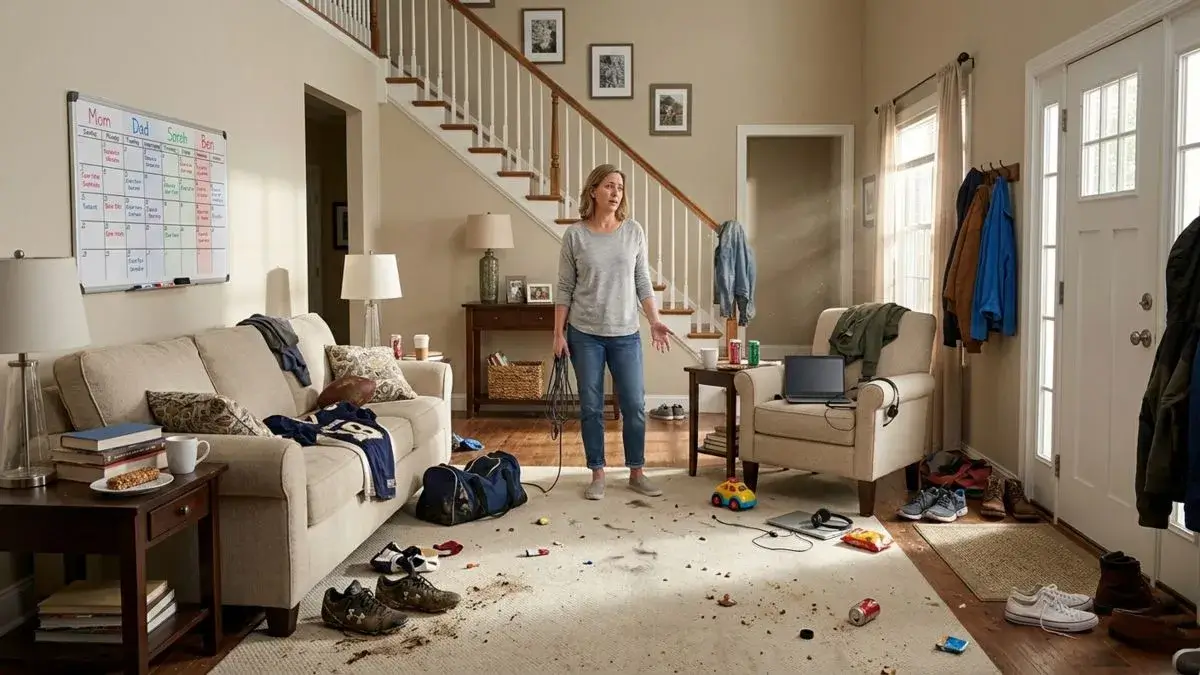
Some households move through the day almost like a carefully timed routine. Meals happen together, rooms quiet down at predictable hours, and cleaning tasks fit naturally between daily activities. Other homes operate very differently. One person leaves before sunrise, another works late into the evening, teenagers stay active at night, and weekends barely resemble weekdays at all.
In homes like these, House Cleaning often starts feeling unusually frustrating even when family members are trying to stay organized. Rooms never seem fully settled, dishes appear at random hours, and clutter shifts constantly from one space to another. The issue is not always a lack of effort. More often, the home itself never pauses long enough for routines to fully reset.
Scrub Lou works with households managing these uneven schedules because cleaning challenges change dramatically once everyone begins living on completely different timelines inside the same shared space.
Table of Contents
Kitchens Stop Following One Daily Cleanup Cycle
In traditionally structured households, kitchens usually experience one main cleanup period after dinner. Homes with mixed schedules rarely function that way. Someone prepares breakfast while another person arrives home late and cooks hours later. Coffee cups appear throughout the afternoon, and snacks continue long after the kitchen should technically be “closed” for the night.
This creates a cycle where counters never remain empty for long. Instead of one concentrated mess, the kitchen experiences smaller waves of activity spread across the entire day.
House cleaning becomes harder because surfaces continue changing before previous tasks are even fully completed. A freshly cleaned sink may already contain dishes again within the hour simply because someone else’s schedule starts later.
Shared Rooms Stay Active Nearly All Day
Living rooms and common spaces react differently once household schedules stop overlapping. One person watches television while another attends virtual meetings nearby. Someone exercises in the afternoon while children finish homework later in the evening.
The room no longer experiences long periods of stillness where clutter naturally settles back into place. Blankets, chargers, cups, shoes, and bags rotate continuously through the same shared areas without a clear stopping point.
Scrub Lou often sees homes where the issue is not extreme messiness but constant movement. The house stays in use for so many different purposes that ordinary maintenance routines struggle to keep pace.
Laundry Patterns Become Unpredictable
Laundry usually follows habits connected to household timing. Once schedules become inconsistent, those patterns disappear too.
Gym clothes arrive late at night. Work uniforms pile up on different days each week. Teenagers may need clean clothing unexpectedly for early morning events or weekend activities. Laundry baskets overflow unevenly because no one generates mess at the same pace anymore.
This creates visual clutter quickly, especially in hallways, bedrooms, and utility spaces where temporary clothing piles begin forming between loads.
House Cleaning feels more complicated because laundry itself no longer behaves predictably enough to manage around one stable weekly system.
Bathrooms Never Stay Fully Reset
In households with synchronized schedules, bathrooms usually experience concentrated activity in the morning and evening. Mixed schedules spread usage across the entire day instead.
One person showers before dawn, another gets ready at lunchtime, and someone else uses the bathroom heavily after late evening workouts or overnight shifts. Towels rotate constantly while counters collect products without ever fully clearing off.
The result is subtle but noticeable. Bathrooms lose the refreshed feeling that usually comes after one complete reset because someone always needs the space again shortly afterward.
Entryways Reflect Constant Movement
Homes with staggered schedules experience nonstop traffic through entrances and hallways. Deliveries arrive while family members come and go at different times, creating a constant flow of shoes, bags, jackets, and packages near the door.
Unlike quieter households where entry spaces calm down after everyone arrives home, these areas remain active from morning until late evening. Small amounts of clutter and dirt continue building because movement never truly stops.
Scrub Lou approaches these homes differently because high activity patterns affect cleaning priorities more than room size alone.
Different Schedules Change the Entire Cleaning Rhythm
House Cleaning becomes far more difficult once a home stops operating on one shared routine. Kitchens stay active longer, common rooms never fully empty, and clutter shifts continuously between spaces because each person follows a completely different timetable.
The challenge is not necessarily about cleaning more often. It is about recognizing that the home now functions differently than traditional routines were designed for.
Scrub Lou works with households where uneven schedules create constant movement across kitchens, bathrooms, entryways, and shared spaces. In these homes, successful cleaning depends less on rigid timing and more on maintaining balance while the house continues evolving throughout the day.
When maintenance adapts to the actual rhythm of the household, the environment feels noticeably calmer. Shared spaces recover faster, clutter becomes easier to control, and the home starts feeling manageable again even when everyone inside it is moving at completely different speeds.


Lotus Position (Padmasana): How to Do It Safely and Avoid Knee Pain

How to Prepare for a Gynaecology Appointment

RPDJAFUD: The Future of AI-Driven Cybersecurity and Automation

News JotechGeeks: Leading Source for Tech Updates

How to Meditate Daily Without Trying to “Empty Your Mind”

Eporer: Modern Data Visualization & Analytics Platform

Understanding Piso WiFi Pause Time: A Practical Guide

Tsunaihaiya: Identity and Creativity in Native Culture

Understanding Sinkom: A Conceptual Framework for Systems

Feeling Like a Fraud? A Deep Dive into Impostor Syndrome

Simple Recovery Habits That Help After an Intense Workout

Tikcotech: Empowering the Digital Generation with Insightful Tech Guidance

Pxless: A Modern Approach to Responsive Web Design

VIPBox – Free HD Sports Streams for Every Fan

Bunkr Albums Explained: The Unique World of Experimental Electronica
-
 GENERAL1 year ago
Christofle – For Those Who Dream of Family Heirloom Silver
-
SPORTS1 month ago
Discover the World of Football with Streameast: Watch Your Favorite Leagues and Tournaments
-
HOME IMPROVEMENT1 year ago
Spacious and Stylish 300cm Round Rugs: Elegant and Modern Designs for a Chic Home Decor
-
GENERAL8 months ago
Uncovering the World of кинокрадко: The Dark Side of Film Piracy